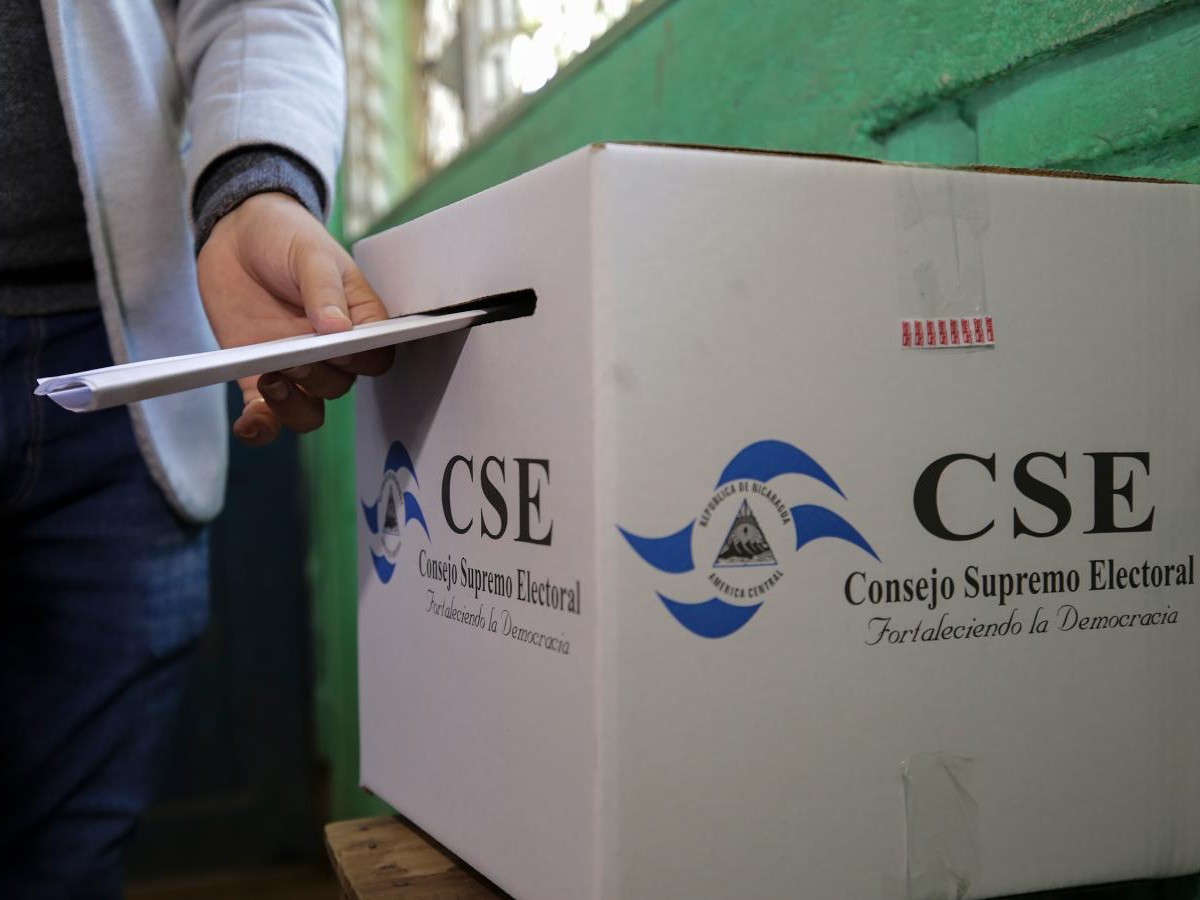
The citizen observatory Urnas Abiertas denounced that the Supreme Electoral Council (CSE) is “remaining silent and secrecy” less than three months before the municipal elections, since it continues without making the official call and without disclosing the electoral calendar.
“According to the Electoral Law, yesterday, August 8, was the stipulated time to publish electoral rolls in the voting centers (article 42) and deliver their locations to the political parties (article 23),” highlights the recent report released by the independent organization that criticizes the secrecy with which the municipal elections scheduled for November 2022 are being handled.
Related news: Bishops of Bolivia: Repression against the Church in Nicaragua is an “attack on freedom of expression and religion”
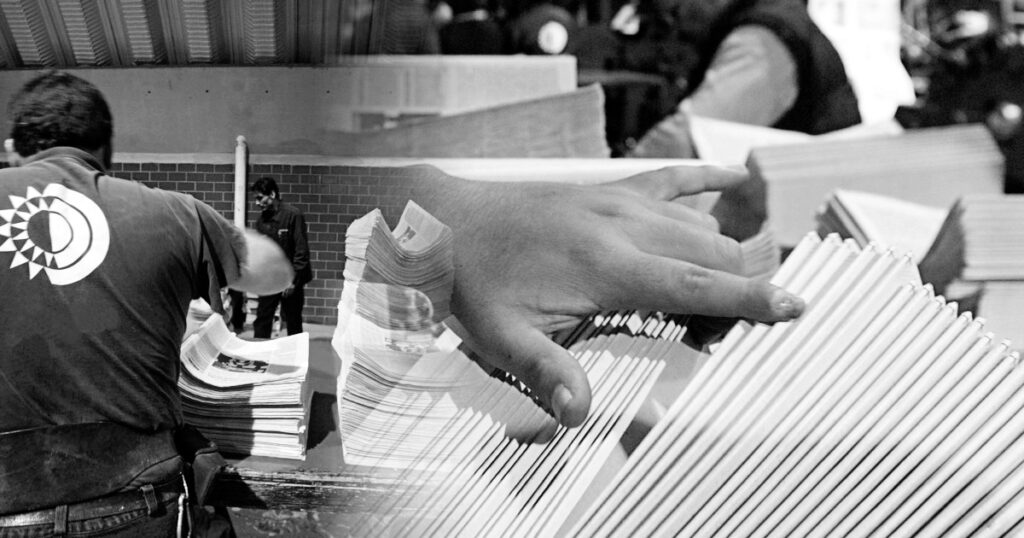
The observatory reports that “it was learned that once again the company Inversiones Papeleras SA (Inpasa) has begun the process of producing electoral material, which includes ballots, ballot boxes, voting boxes, registers, manuals, signage material and other types of stationery, to date the people who will be included on the ballot are not yet known because the candidacy registration process has not been completed. The ballots have to be printed by the end of October when the process of sending electoral suitcases to each Vote Receiving Board (JRV) begins».
“As different activities proceed as if it were a legitimate and transparent electoral process, the regime continues to commit acts of repression against journalists, transporters and members of the Catholic Church. During the month of July and the beginning of August, an increase in political violence against journalists was observed, including police siege, illegal raids, and arbitrary arrests. Even a still undetermined number of journalists have had to go into exile”, denounces Urnas Abiertas.
In addition, they assure that the situation has worsened “since June, when the regional organization Voces del Sur documented that the journalist Jacdiel Rivera, a correspondent for Channel 10 in the department of Madriz, was the victim of obstruction of his journalistic work on two occasions. Both cases had no connection with political issues, however, the police officers flatly denied him the right to obtain information. In that same month, three independent media outlets with traditional national coverage were forced to remove political issues from their news agendas.
Related news: Open Ballot Boxes advances that Ortega intends to “exercise totalitarian control” after the municipal elections
The regime has also closed around 21 media outlets (12 Catholic) since 2018 and 140 journalists are in exile, according to the registry of the organization Independent Journalists and Communicators of Nicaragua, PCIN).
Since 2021, opposition organizations have denounced that there are no guarantees in Nicaragua to hold elections where the popular will is respected, since all the powers of the State submit to the designs of the Executive.