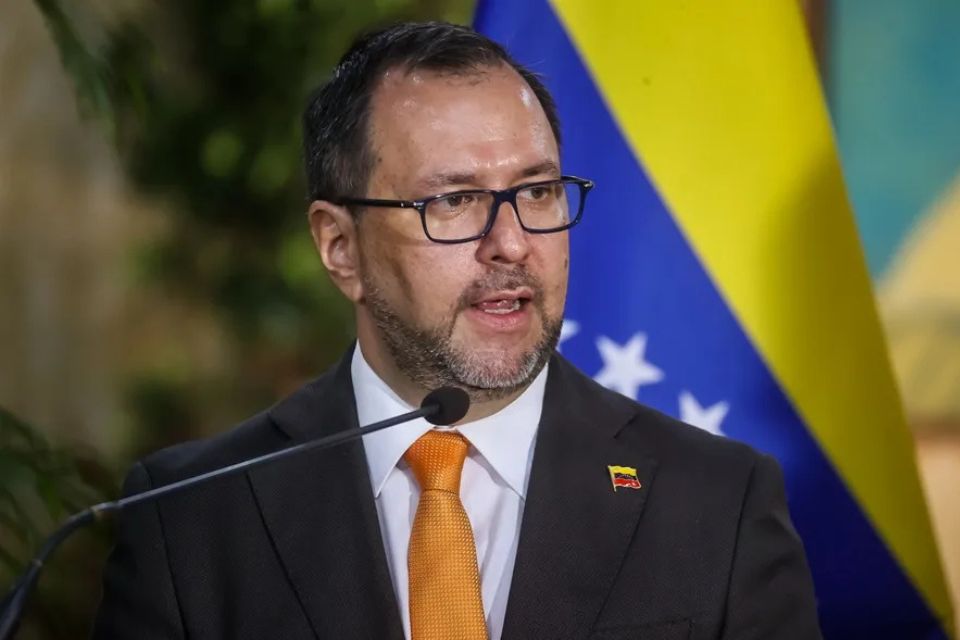
Foreign Minister Yván Gil insisted that “there are no tensions to de-escalate or a dialogue that must be established between two parties in dispute over an international argument,” referring to the deployment of the United States in the Caribbean and the calls to “de-escalate the conflict” via diplomacy by the spokesperson for the UN Secretary General. “Here there is an attempt to invade, to subjugate a sovereign population,” he insisted.
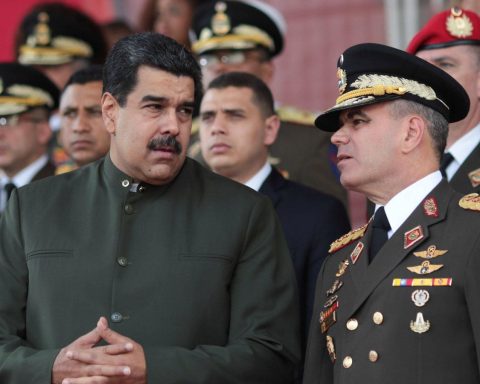
Foreign Minister Yván Gil assured this Thursday, November 13, that between Venezuela and the United States there is not a “confrontation”, but rather an “attempted invasion” by Donald Trump’s administration, this in response to the call made a day earlier by the spokesman for the Secretary General of the United Nations, Stépane Dujarric, to “de-escalate tensions” between both countries.
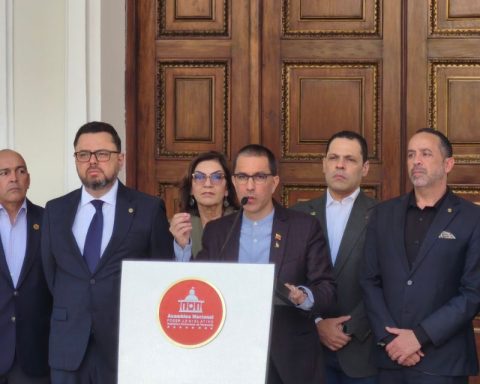
“Here we are not facing a confrontation, the spokesman for the Secretary General told us yesterday in a regrettable way that he asked us to “de-escalate the situation”… there is no confrontation between two States, Venezuela does not have a controversy with the United States, Venezuela is a sovereign and free country that is trying to be attacked by a country,” Gil assured during an international meeting of jurists organized in Caracas.
A day before, consulted by journalists about the deployment of a new aircraft carrier in the Caribbean, the spokesperson noted that the UN is “very concerned” about the increase in tensions between the United States and Venezuela, while urging “de-escalation of the conflict” through diplomatic dialogue.
Maduro’s foreign minister insisted that “there are no tensions to de-escalate or a dialogue that should be established between two parties in dispute over an international argument, here there is an attempted invasion, to subjugate a sovereign population.”
*Read also: Marco Rubio says that the US has every right to operate militarily in “its hemisphere”
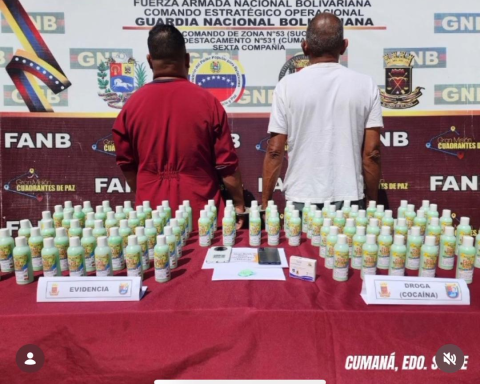
Likewise, he said that they will turn to the UN to “clarify” the situation and assume that the country faces an “unusual threat” with the military deployment of the United States in the Caribbean in operations that, according to the Trump administration, seek to stop the flow of drugs to the north of the continent.
Yván Gil reiterated in his speech that the “threat is not only against Venezuela,” while insisting that the US action seeks to appropriate the country’s natural resources.
“What is at stake in Latin America and the Caribbean is stability and world peace,” reaffirmed the official, who also criticized the attempts at “political and social destabilization” as well as the “vile murders” that, he assured, the United States has committed in international waters.
He noted that the deaths of at least 70 people on the high seas, and which the UN considers may constitute extrajudicial executions, are “claimed” as a “great achievement against small boats, regardless of whether they transport illicit merchandise… they have not been given the right to defense and it has not been proven if they commit any crime at sea.”
For his part, the president of the National Assembly, Jorge Rodríguez, urged jurists to “defend peace and freedom in the Caribbean” due to the “interference actions” of the United States that, he said, “affect countries around the world.”
“The governments of the United States always look for lies, excuses… Let’s not wait a few decades for the Trump administration’s documents to be declassified and in that declassification it is said that the fight against drug trafficking was not true,” he said.
While Judge Caryslia Rodríguez, president of the Supreme Court of Justice, asked the invited jurists from African, Latin American and European countries to defend the principles of “equity, justice and lasting peace.”
He said that these principles, “despite the incessant attacks and the imperial threat, have been exalted in Venezuela. “Today we raise our voices to reaffirm once again our commitment to life.”
*Journalism in Venezuela is carried out in a hostile environment for the press with dozens of legal instruments in place to punish the word, especially the laws “against hate”, “against fascism” and “against the blockade.” This content was written taking into consideration the threats and limits that, consequently, have been imposed on the dissemination of information from within the country.
Post Views: 305