The National Assembly of Venezuela unanimously approved this Thursday a general amnesty law, promoted by the interim president Delcy Rodriguez.
The measure It covers the 27 years of Chavismo, from the arrival of Hugo Chávez to power in 1999 until the fall of Nicolás Maduro last January, international press agencies reported.
It promises the massive release of political prisoners and marks a historic turn in the country’s political life, although under the constant shadow of the United States, which maintains a constant flow of high-level envoys to Caracas to supervise Washington’s operational interests.
An act of “greatness” and reconciliation
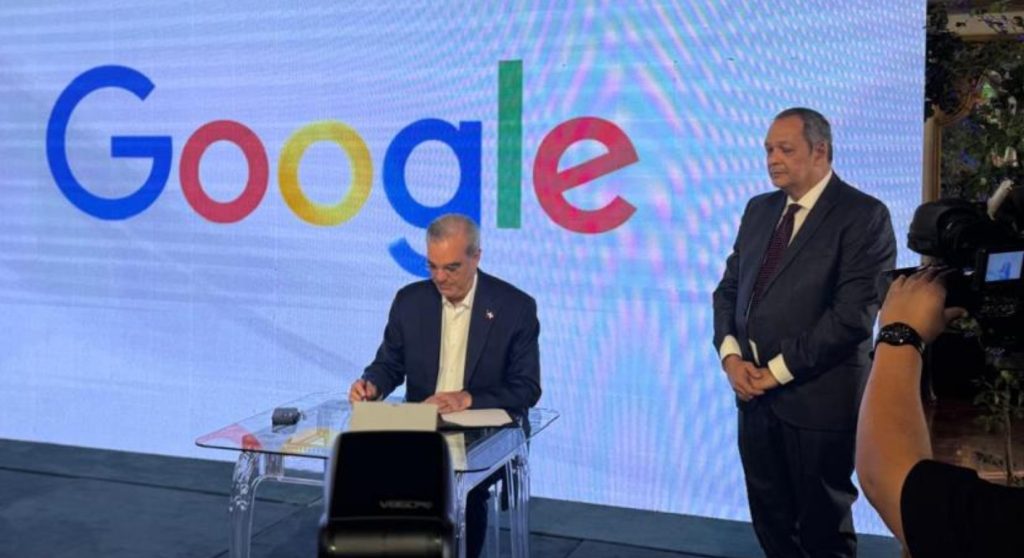
Rodríguez promulgated the law in the Miraflores Palace, and described it as “an act of greatness.” “You have to know how to ask for forgiveness and you have to also know how to receive forgiveness,” he said.
The acting president, who took office after Maduro’s capture in a US military raid on January 3, highlighted that the law opens “new avenues for politics in Venezuela” and seeks to overcome decades of polarization.
His brother and leader of the National Assembly, Jorge Rodríguez, agreed that the country is going through a learning process after “pains” that must be converted into democratic persistence.
The legislative branch approved the regulations article by article, which includes 16 provisions and was the result of intense negotiations with jurists, families of prisoners and opposition sectors.
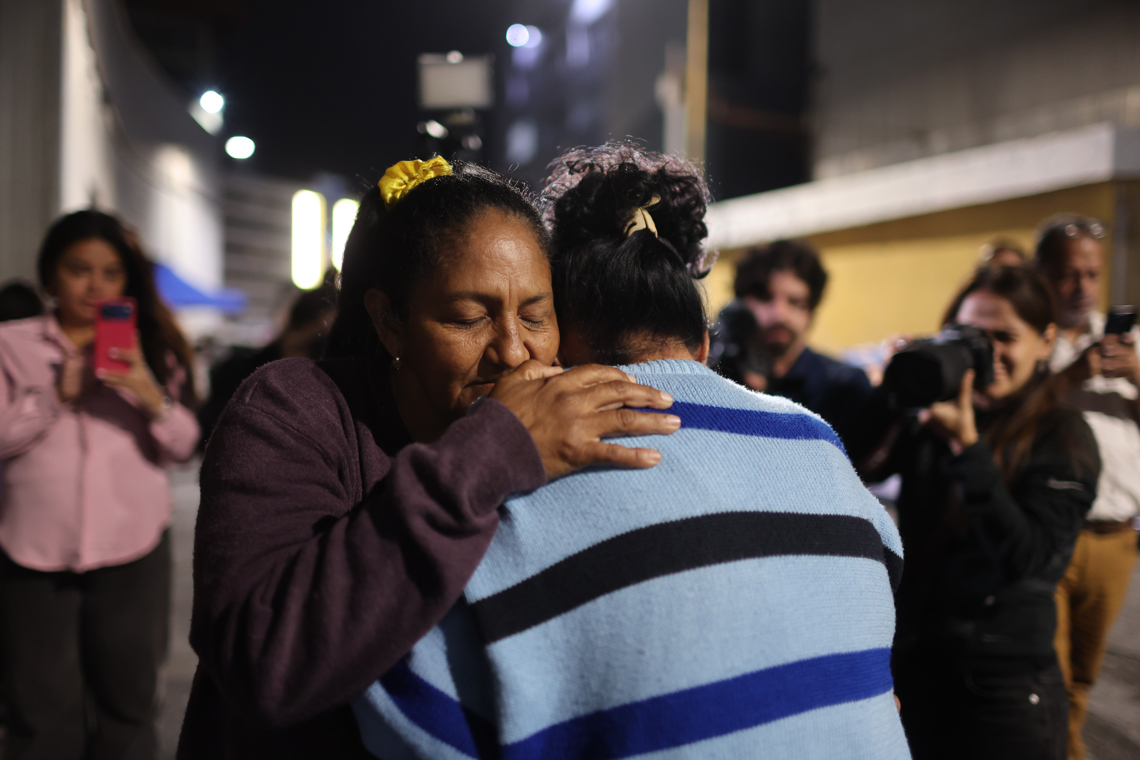
The approval was followed with emotion by relatives of detainees who have been camping for weeks in front of prisons and police cells. Outside the feared Helicoide prison, women prayed and held back tears while the parliamentary debate was broadcast on cell phones.
According to the NGO Foro Penal, since the start of the release process on January 8, 448 opponents have been released on parole, while 644 remain behind bars. The expectation is that the new law will accelerate releases and allow the return of exiles.
controversial articles
Article 7, considered the “bone of contention,” was finally approved with modifications. It establishes that the amnesty covers “any person who is or may be prosecuted or convicted for crimes or misdemeanors that occurred” in the 27 years of Chavismo, as long as “they are lawful or become lawful.” This involves courts questioned for serving the ruling party, although the representation of exiles through proxies is enabled.
Article 8 lists 13 key moments, from the coup d’état against Chávez in 2002 to the protests against Maduro’s re-election in 2024. Critics of the Government such as Gonzalo Himiob, director of Foro Penal, consider that this delimitation is “exclusive” because it ignores the continuous persecution throughout the Chavista period.
Article 9 excludes those who have promoted or participated in armed actions with foreign support, as well as those accused of corruption. This leaves out figures such as opposition figure María Corina Machado, disqualified on several occasions and accused of calling for invasions, although never formally charged.
The interim president asked Parliament and other entities linked to the issue to evaluate cases that are not contemplated in the new legislation to, she said, “heal wounds, redirect democratic coexistence” and justice.
The Venezuelan president, who was “very pleased” with the approval of the amnesty law, said that evaluating the cases not contemplated will allow “healing wounds, redirecting democratic coexistence” and justice.https://t.co/NaANskqj6B pic.twitter.com/PiVfPZ6BG6
— EFE News (@EFEnoticias) February 20, 2026
Reactions found
Meanwhile, former political prisoners expressed reservations. “We reject that this measure be interpreted as a pardon granted by the State,” Nicmer Evans said in a statement.
Those released demand recognition that justice was instrumentalized, comprehensive reparation and the creation of a truth commission with international participation.
Organizations such as Acceso a la Justicia warn “serious structural deficiencies” in the law and ask for legal clarity regarding fabricated charges. They also demand that the files not be deleted, so that the victims can prove the falsehood of the accusations.
One of the most famous cases is that of Juan Pablo Guanipaformer deputy and ally of Corina Machado, who after being one of those released, after nine months detained under accusations of conspiracy, was recaptured and placed under house arrest.
However, after the approval of the law, Guanipa said on his networks that he had been released and was “in full freedom,” although at the same time he criticized the law, of which he said “It is not an amnesty” but a document that seeks to “blackmail many innocent Venezuelans.”
On the other hand, the approval of the law put an end to a hunger strike started on February 14 by relatives of political prisoners in front of the National Police cells in Caracas. Of the ten women who began the protest, only one remained fasting on voting day. After six days of pressure, they lifted the measure when the parliamentary sanction was known.
The gesture reflects the wear and tear of those who have accompanied detainees and exiles for years, and the hope that the amnesty will open a path towards reconciliation.
The US and the oil agenda
The amnesty is part of a broader agenda that includes oil opening and a turnaround in relations with the United States, broken since 2019. Washington has declared itself to be “in charge of post-Maduro Venezuela” and maintains high-level envoys in Caracas, which underlines the American influence in the political process.
The capture of Maduro by US forces on January 3 was described by Delcy Rodríguez as “an unprecedented military aggression by a nuclear power.” However, the interim president insists that the country must get rid of hatred and intolerance to find peace again.
Meanwhile, the National Assembly appointed a special commission to monitor the law and requested maximum acceleration in the review of cases.
Although the law opens an extraordinary door for reconciliation, doubts remain about its real scope and the exclusion of key opponents. In the opinion of the media and analysts, the amnesty is just the beginning of a process that must confront memory, truth and reparation for victims, both on the side of the ruling party and the opposition.