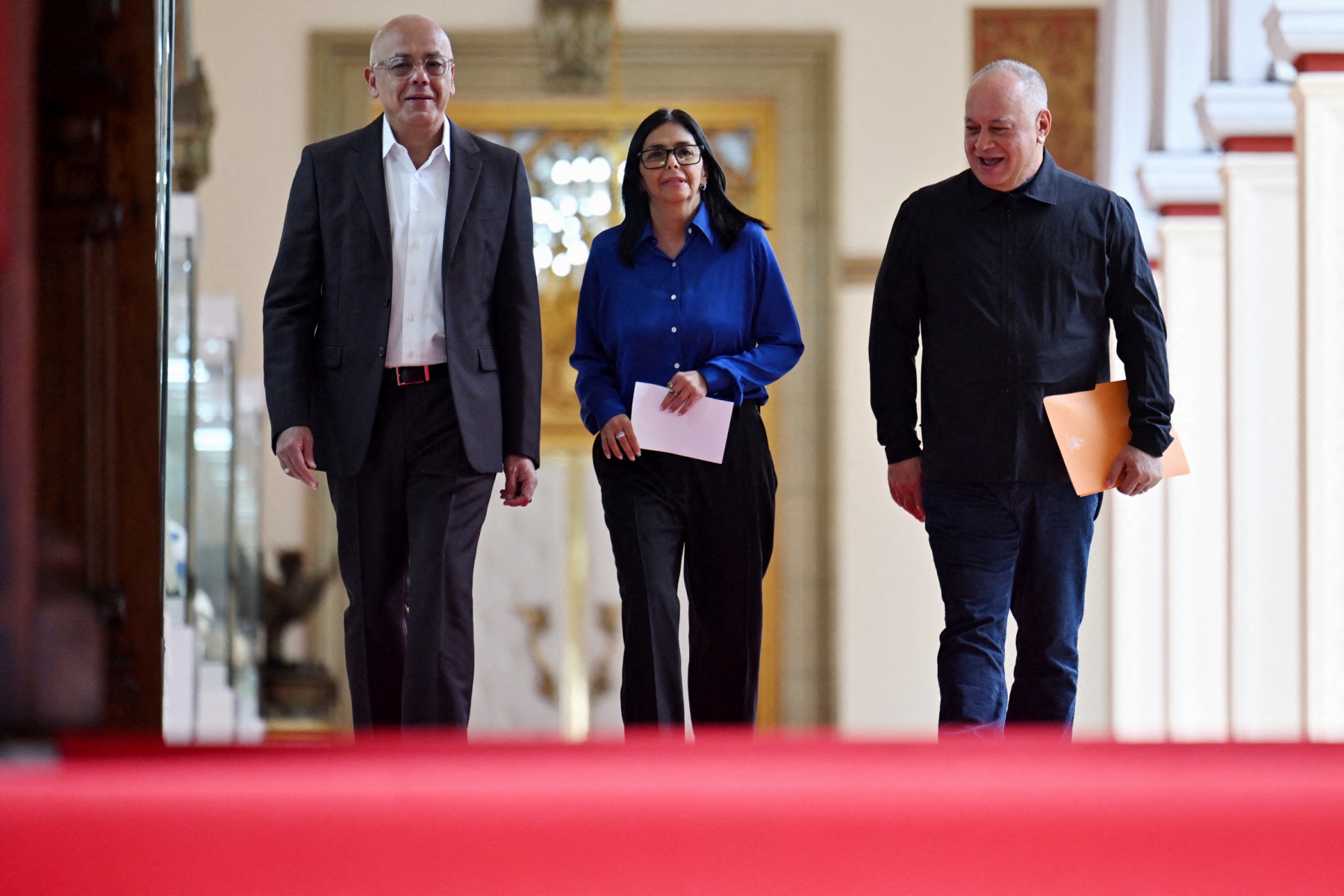
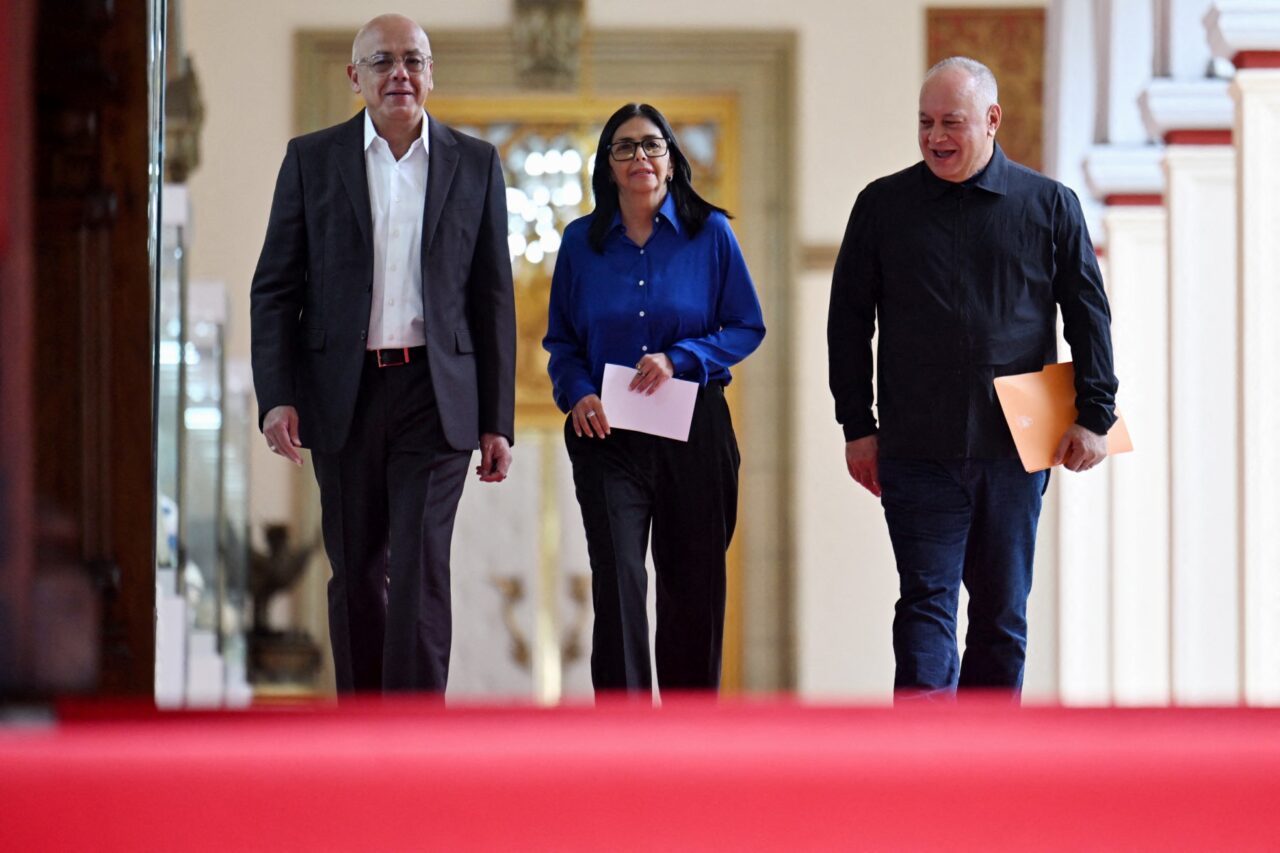
The announcement of a general amnesty law for political prisoners in Venezuela presented this Friday by the president in charge, Delcy Rodríguez, as a gesture of openness and reconciliation on the part of Chavismo, clashes with the positions that senior leaders of the same ruling party have held in the past.
Figures such as Diosdado Cabello – current Minister of the Interior and Justice and secretary of the United Socialist Party of Venezuela (PSUV) – and the current president of the National Assembly, Jorge Rodríguez, historically opposed amnesty initiatives, calling them a “law of amnesia” and warning that they should not be applied or executed despite their legislative approval, going so far as to affirm that opponents would remain imprisoned even if the law was voted on in Parliament.
This resistance of the past contrasts with the current context in which Chavismo celebrates the measure and formally promotes it, which raises questions about changes in position based on internal and external pressures and the political convenience of the measure.
The contradiction between what is proclaimed now and what was rejected before by some of the same political actors fuels doubts about the sincerity of the reconciliation process and the true will to guarantee a broad and effective release of prisoners for political reasons in Venezuela.