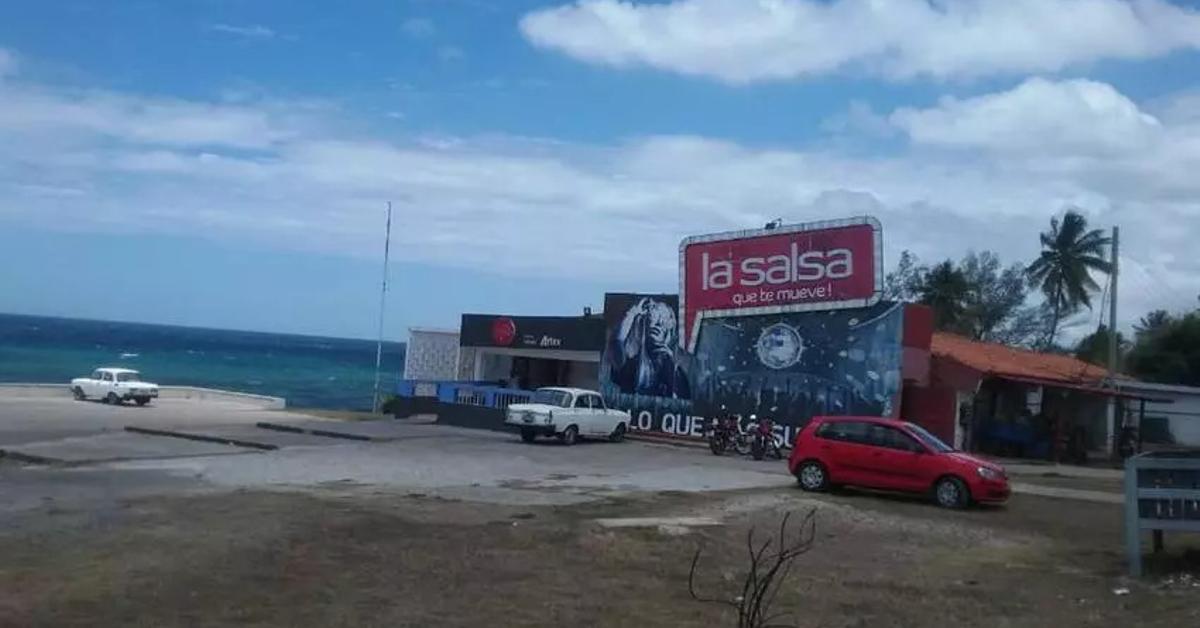
Matanzas/In the parking lot of the La Salsa nightclub, in Matanzas, a teenager sleeps next to a jacket half full of cans. Wait for the party to finish your collection task. His name is Yankiel and he is 13 years old. His mother died a good time ago. “I remember her, but not enough,” he confesses.
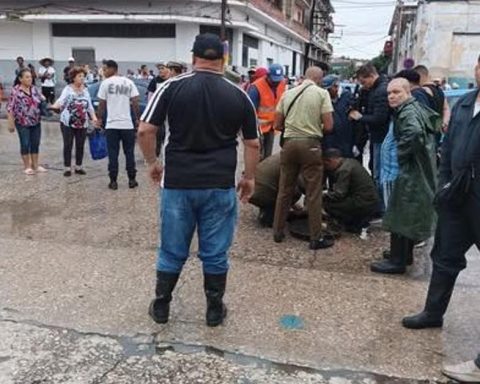
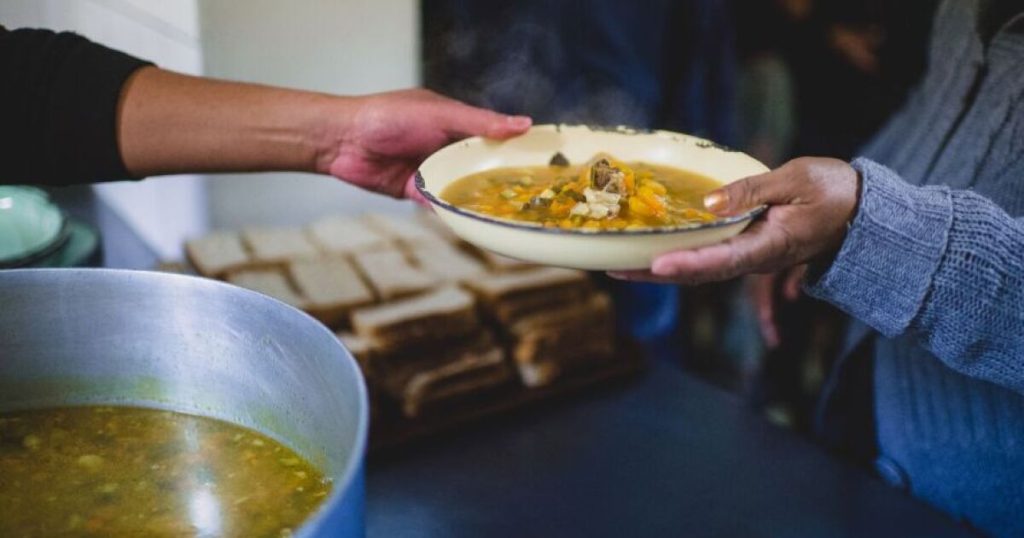
The recent ones statements of the former Minister of Labor and Social Security, minimizing the extreme poverty suffered by thousands of Cubans, lit a debate that many qualify as late. Even in the official press begin to appear cracks. The newspaper GirónProvincial Organ of Matanzas and younger brother of Granmapublished a Fotorreportaje in two parts on the drama of begging in the streets.
In images, deterioration and precariousness can no longer be hidden. However, the editorial treatment kept the usual script. Together with each testimony of hardships, they are underlined – in bold and insistently – the “efforts” of the government to offer a roof to those who have nowhere to live, even if that roof is one hundred kilometers from the original place of residence or is an old school building turned into a humid and corroded shell.
Beyond what the photos showed, it caught the attention that in the report there were no children
Beyond what the photos showed, it caught the attention that there were no children. The selection of the images transmitted the idea that childhood in Cuba was safe, as if it were fulfilled by José Martí’s phrase that “children are born to be happy.” Stories like Yankiel’s, however, contradict that sweetened portrait.
His father performs heavy works: masonry, lands of land, collection of animal food remains and, above all, the nocturnal collection of raw material. That task is a family business. To cover more territory, father and son separate. One travels through the city center and Narváez street; The other goes from the El Tennis neighborhood to the Reinol García cast, known as Pastorita. Between them, they fill their sacks with bottles, plastic containers and cans that then sell.
During school holidays, Yankiel takes the opportunity to collect for more hours. “I don’t have to get up early to go to school,” he says. But when the course begins, the routine becomes exhausting. It combines classes with street work, in a kind of child multi -employment assumed without full awareness. This year it will enter into eighth grade, although its priorities seem marked by another logic, to survive.
/ 14ymedio
To the question of what you want to do when you are of legal age, you doubt a few seconds. Then, with the sincerity of those who are not used to decorating the words, he replies: “I want to work on something that gives me money.” His response, direct, reveals an urgent concern about the result and not on the way to achieve it. When the objective is only “having money”, the alternatives can be uncertain or dangerous.
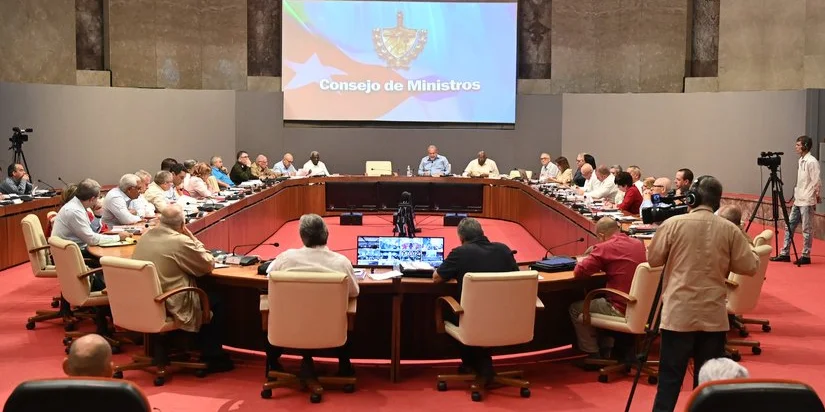
In the park a person gives him a tail soda. He drinks it slowly, with a mixture of shyness and relief. The empty container goes directly to the sack, next to the other cans collected. Yankiel’s case is one among many. Neither he nor other children in similar situations have ever appeared in the reports of Girón nor in the speeches of the ministers. They do not fit into the narrative of a protected and happy childhood. Child marginality is invisible, not only because of media censorship, but also by political indifference.
The images of the official photoreport showed adult faces, improvised beds in portals and solar, kitchens without fuel and ricked walls. But the omission of the minors was not accidental. Showing a child sleeping in the street or loading a garbage sack would be to admit that the State has failed in one of its propaganda pillars: childhood care.
In Cuba, the minors who work In raw material collection, street sales or animal care are not isolated cases. It is an extended reality, especially in peri -urban cities and areas. The economic crisis, inflation, the fall in purchasing power and the insufficiency of social programs have pushed many families to depend on the work of their children to complete daily livelihood.
Language softens the edges and dilutes the responsibility of the State
Extreme poverty is no longer an issue that can hide between euphemisms. What was previously refused or attributed to “specific cases” now appears in the streets in broad daylight. That a medium like Giróncontrolled by the Communist Party, publish a report on beggars in Matanzas indicates that even the official press has had to recognize that misery exists and grows.
But recognition is partial and conditioned. Each complaint is juxtaposed a justification: the promise of a transfer, a housing repair or the delivery of mattresses. Language softens the edges and dilutes the responsibility of a State that, for decades, has been presented as absolute guarantor of social welfare.
Yankiel will continue touring the streets, with his bag on his shoulder, while he attends eighth grade. His father will continue in the toughest works, combining the sunny hours with those at dawn. Neither of them expects a sudden change. Poverty, for them, is not a temporary circumstance but a permanent context. And what is not published in GirónNor is it mentioned in speeches, it is what most defines today’s Cuba.