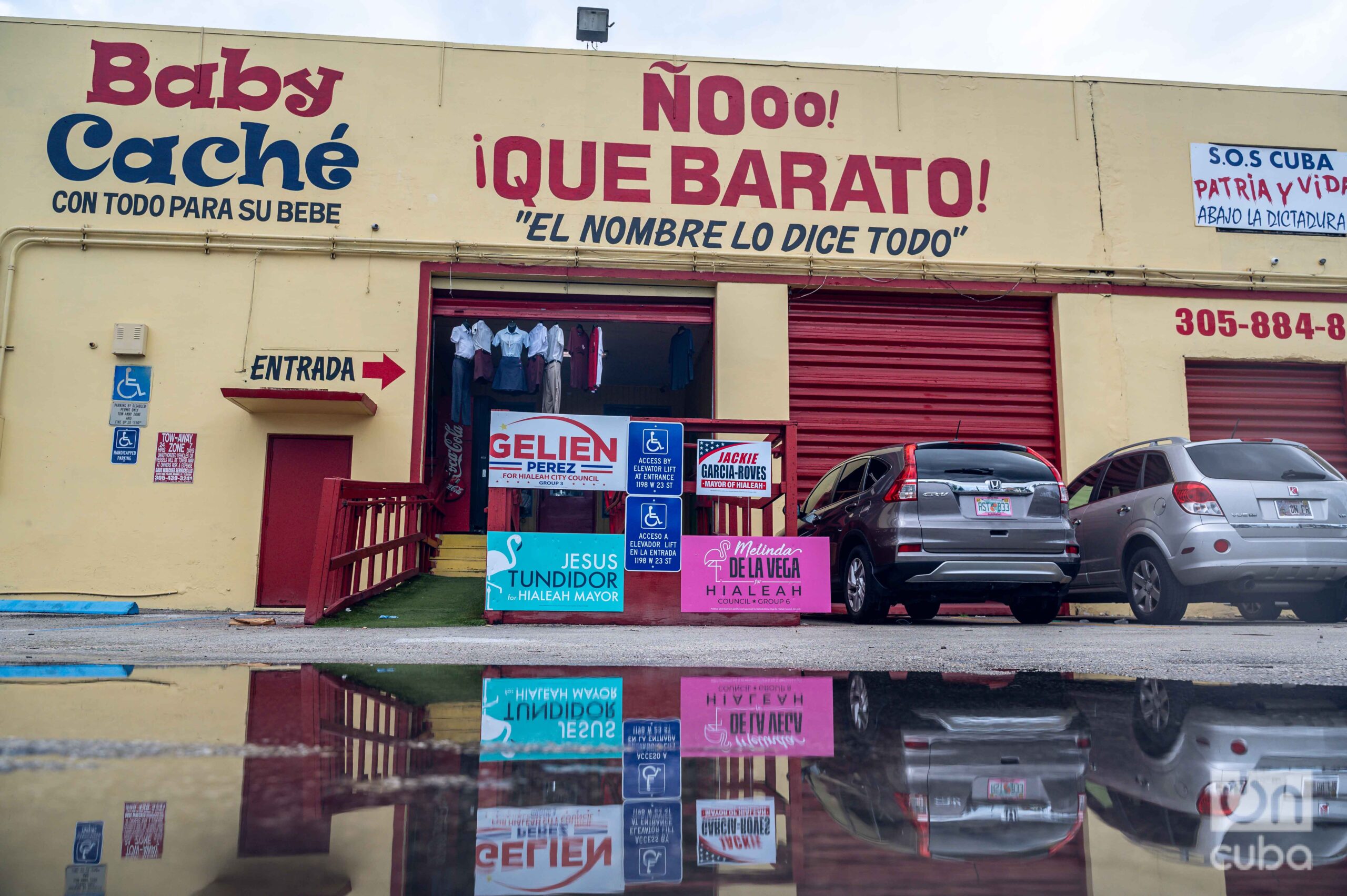
The first thing I learned living outside of Cuba is that the word “cunt” does not travel well. In Spain, for example, it continues to be loaded with sexual, vulgar and even offensive connotations. On the island, however, it became worn out from so much use, it lost its innocence and even the initial syllable. Ours is more diverse: “ñooo” for the heat, “ñooo” for delicious food, “ñooo” when the current comes or goes, or when the chicken arrives at the warehouse. Wow! for everything.
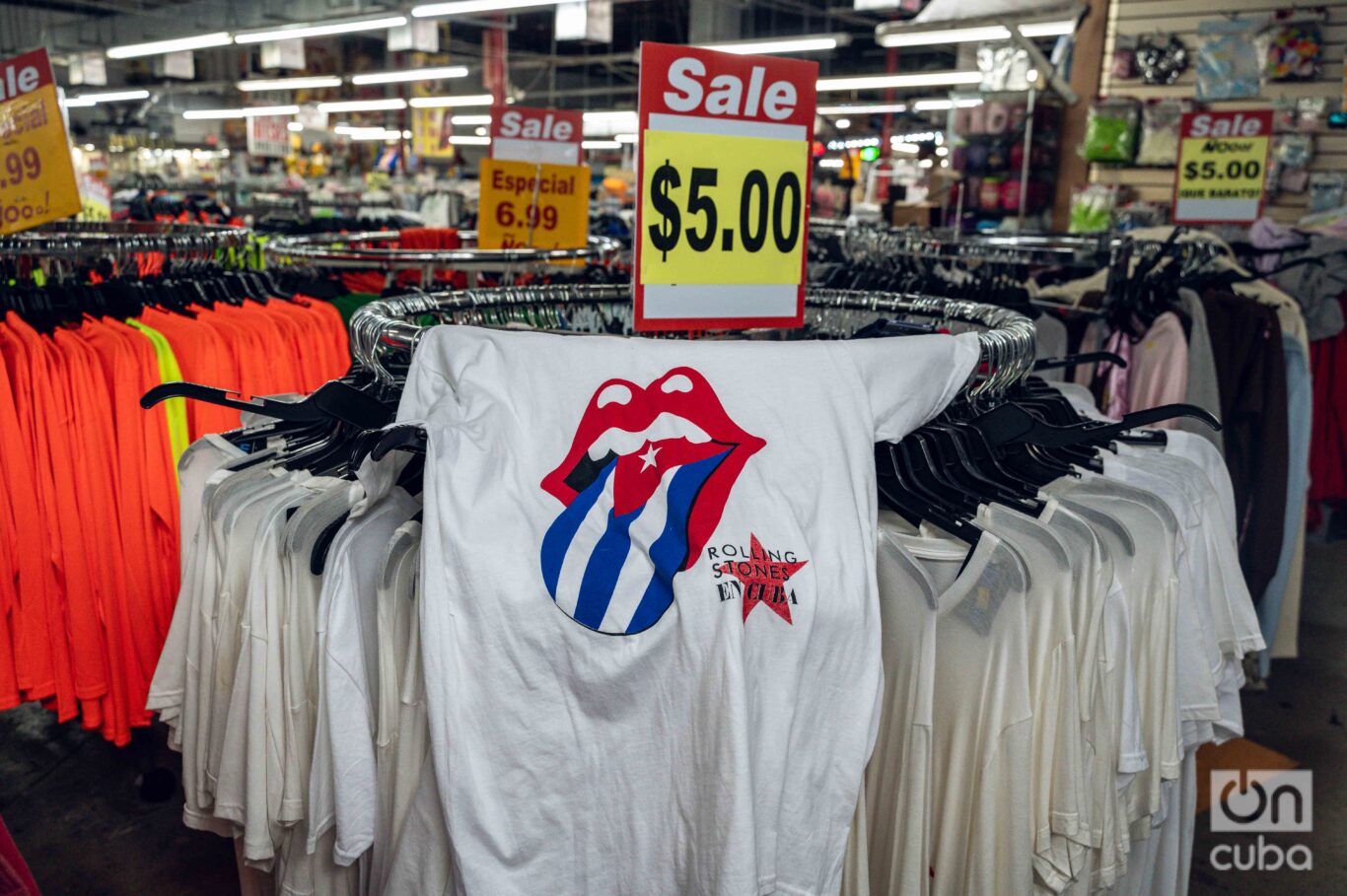
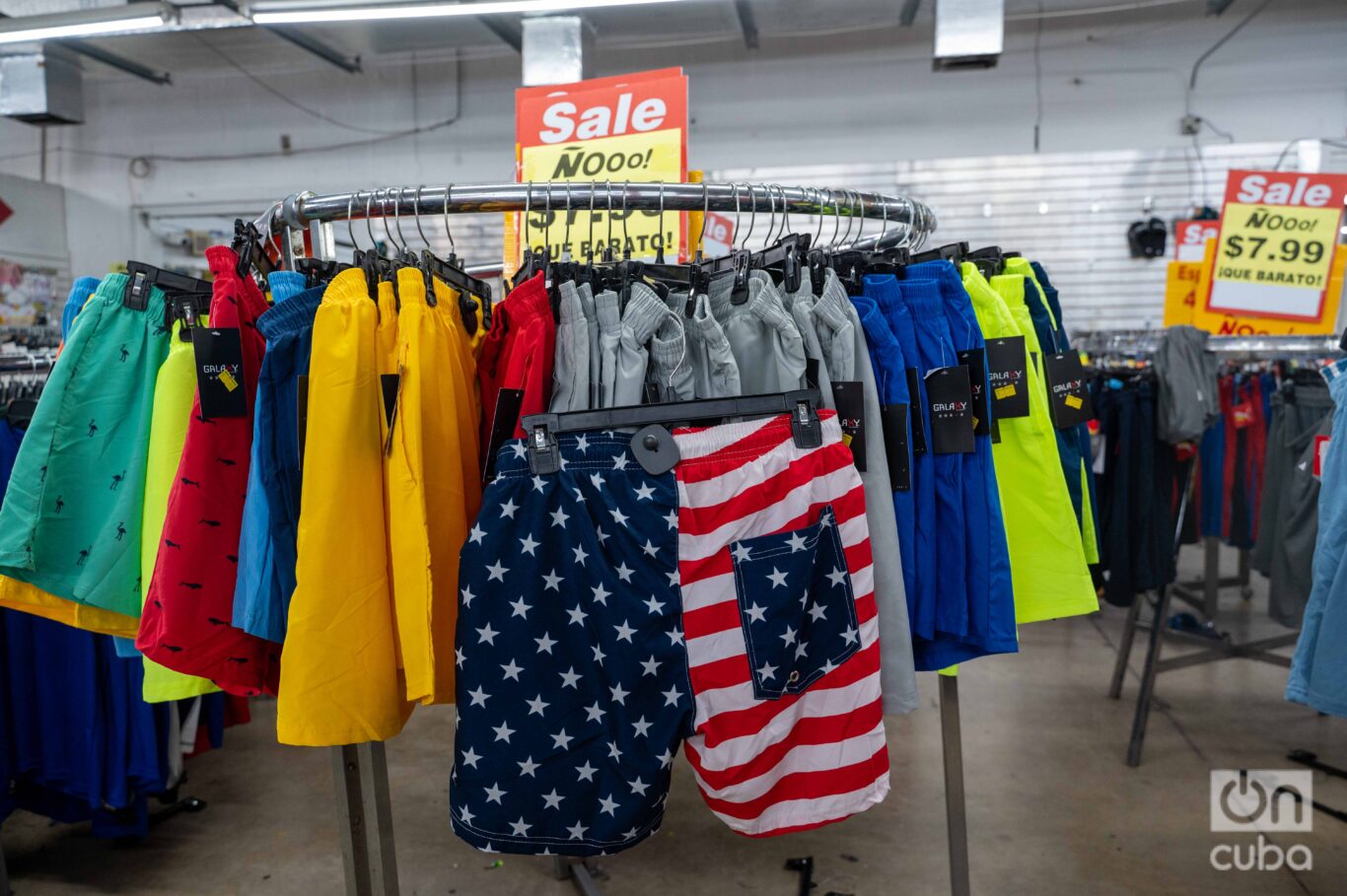
That’s why I wasn’t so surprised when in Miami I heard about a store called “Wow, how cheap!” The name seemed almost like a tongue twister to me. Originally the business was called Clothing Machine, but the Cubans of Hialeah renamed it with popular wisdom that neither dictionaries nor marketing agencies can decipher. And of course, the owner, Serafín Blanco—another Cuban who came to these lands as a teenager—quickly understood the message and decided to make the brand official. If the people baptize him, who dares to change his name?
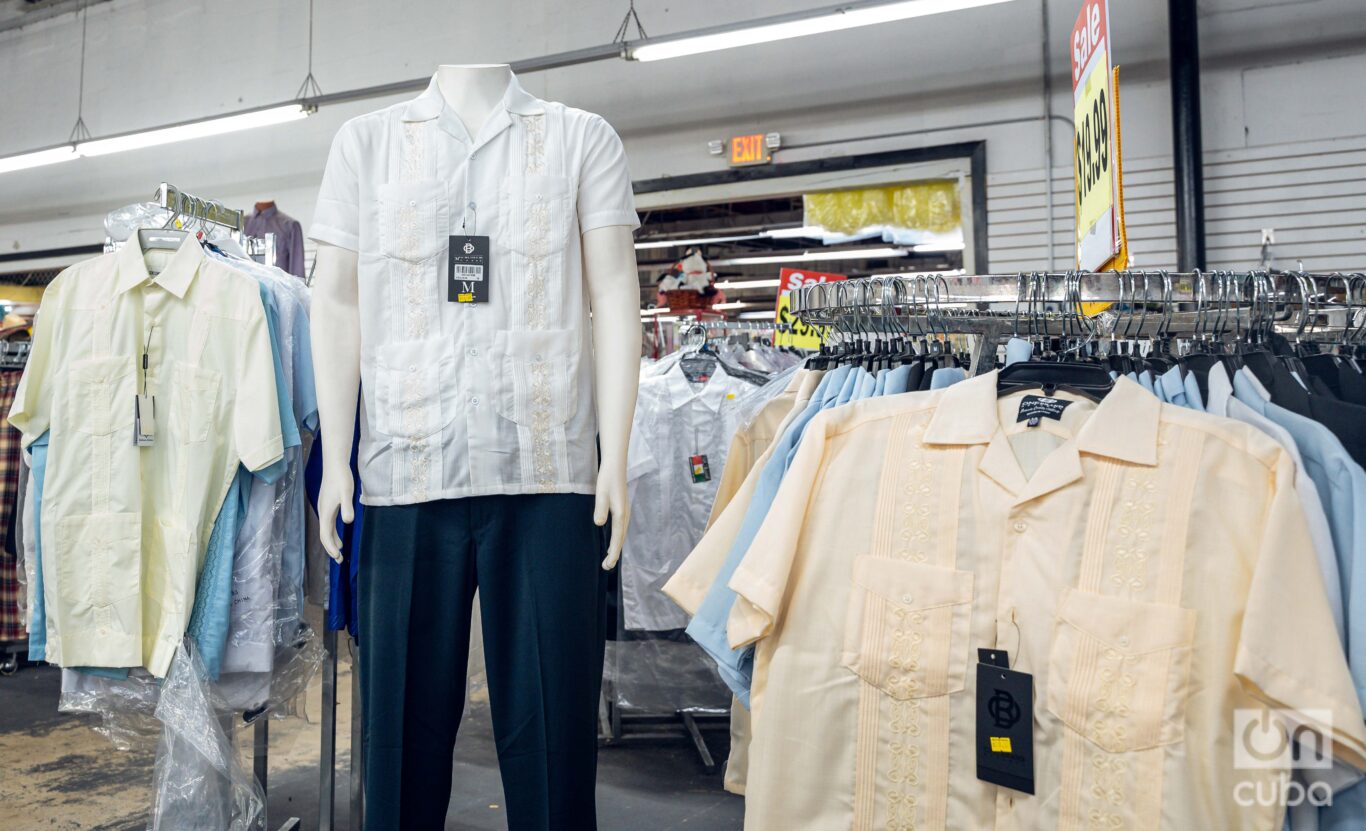
When I crossed the door of “Wow, how cheap!”, I felt a strange déjà vu: It was like entering one of those stores in my native Holguín, in the eighties, with that mix of socialist warehouse and store of opportunities. Founded in 1996, the place is a bridge between nostalgia and necessity, a refuge where each aisle with merchandise has a nod to the island that many left behind.
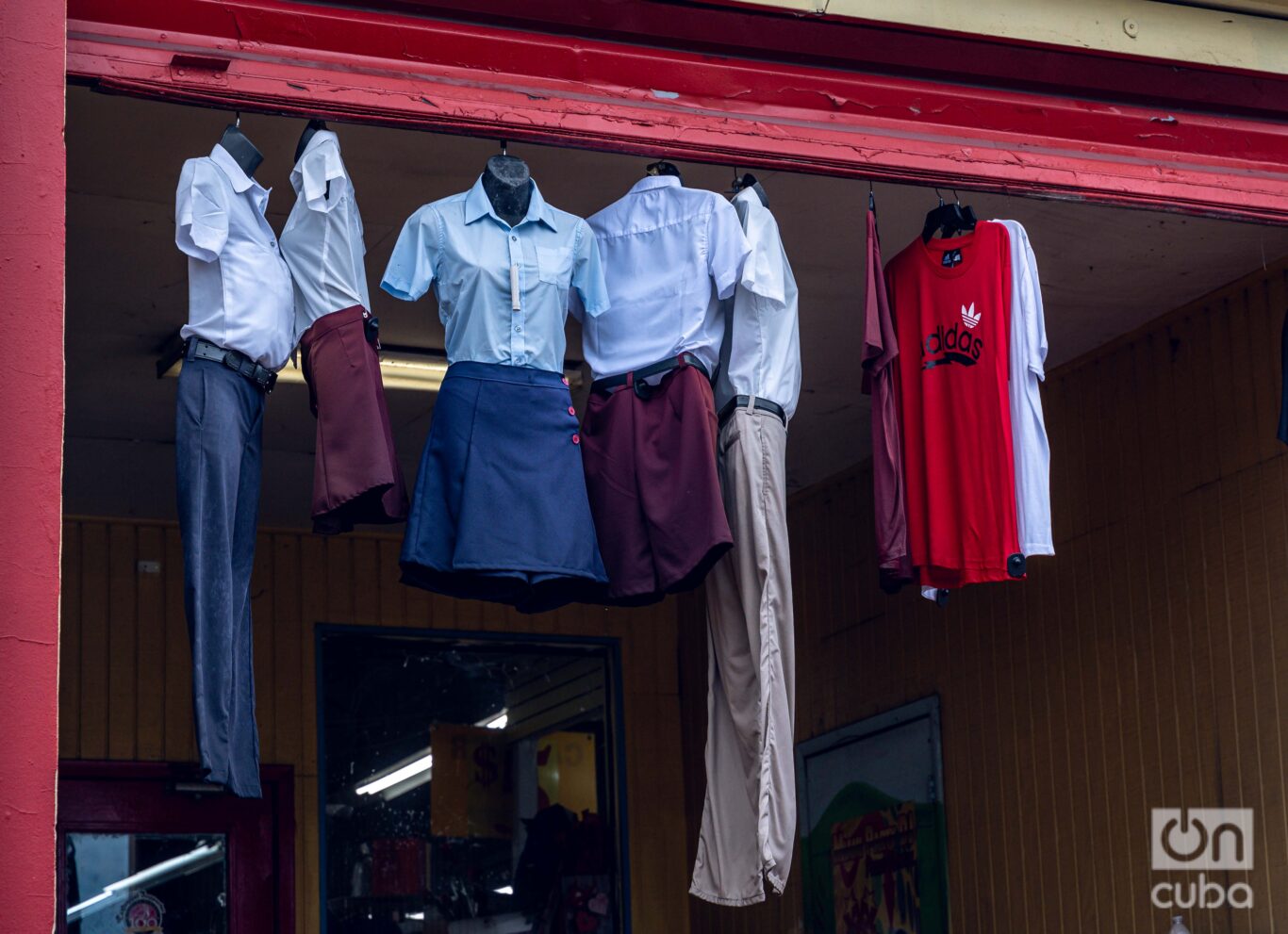
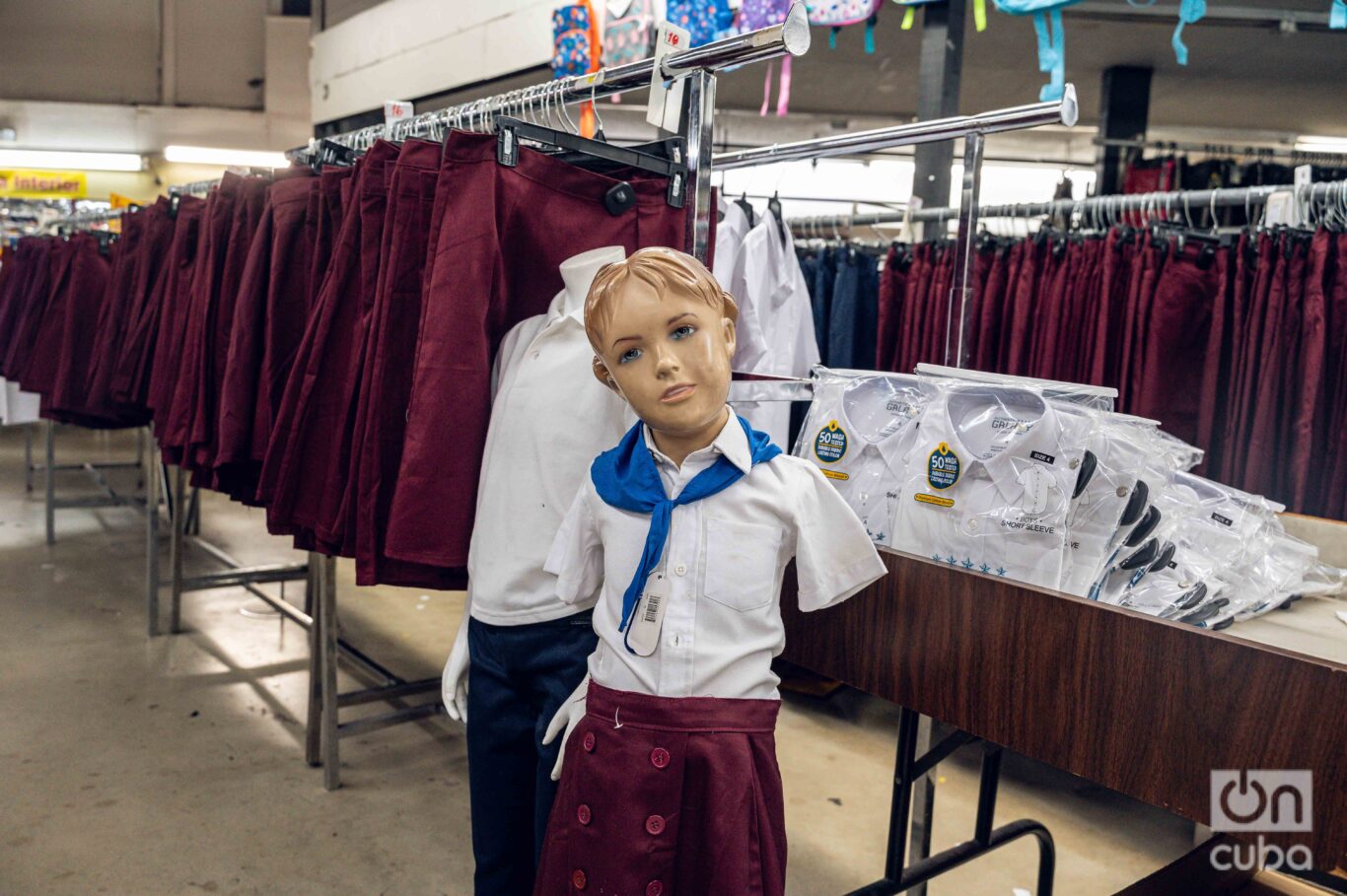
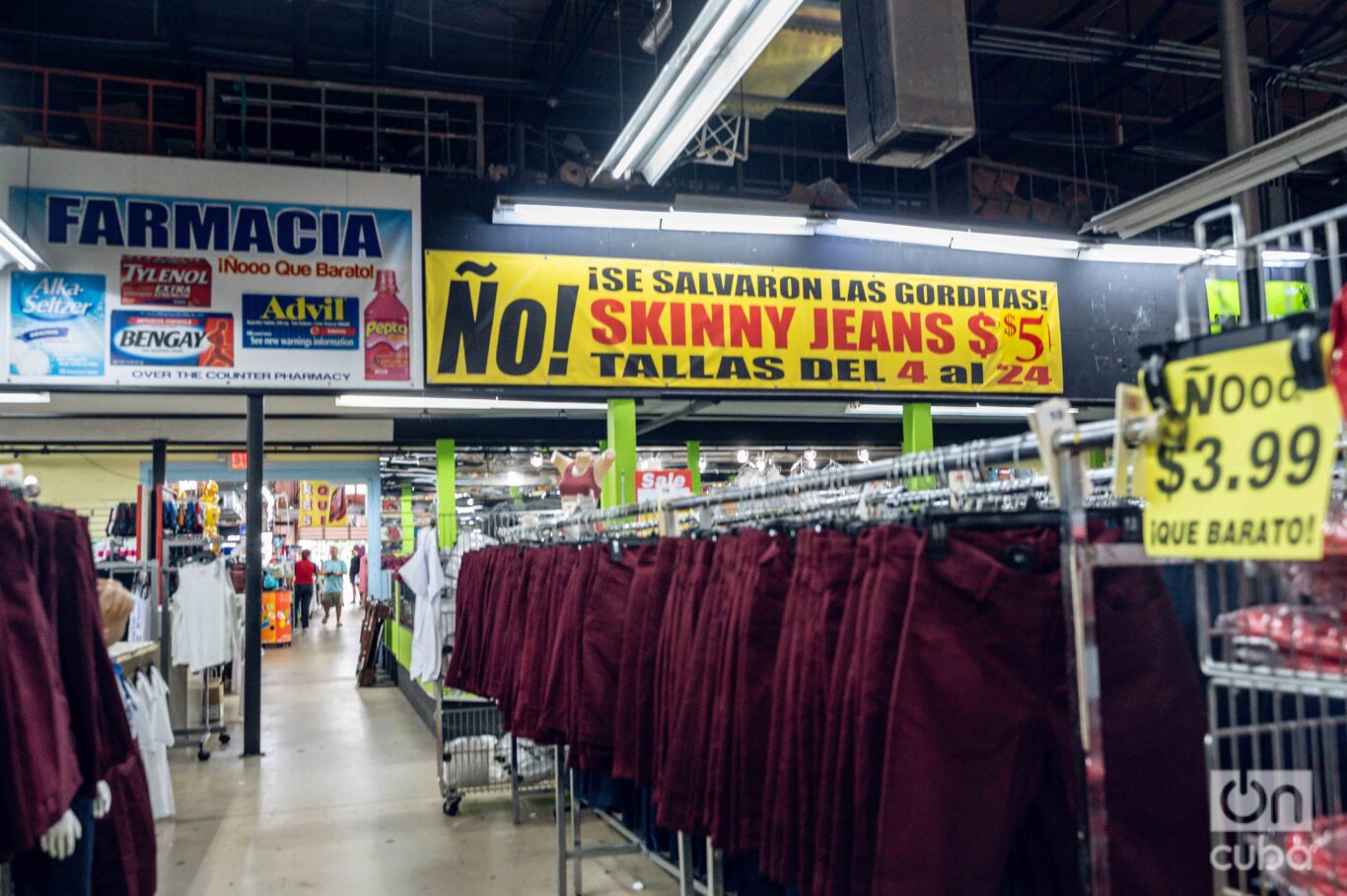
In one area you find mosquito nets and housecoats identical to those of grandmothers; in another, the legendary baby baskets that seem designed so that nothing will change in fifty years. But what draws the most attention is the school uniform section: from preschool to pre-university, with blue and red scarves included. And the best: all sizes and, what is a wet dream in Cuba: for free!


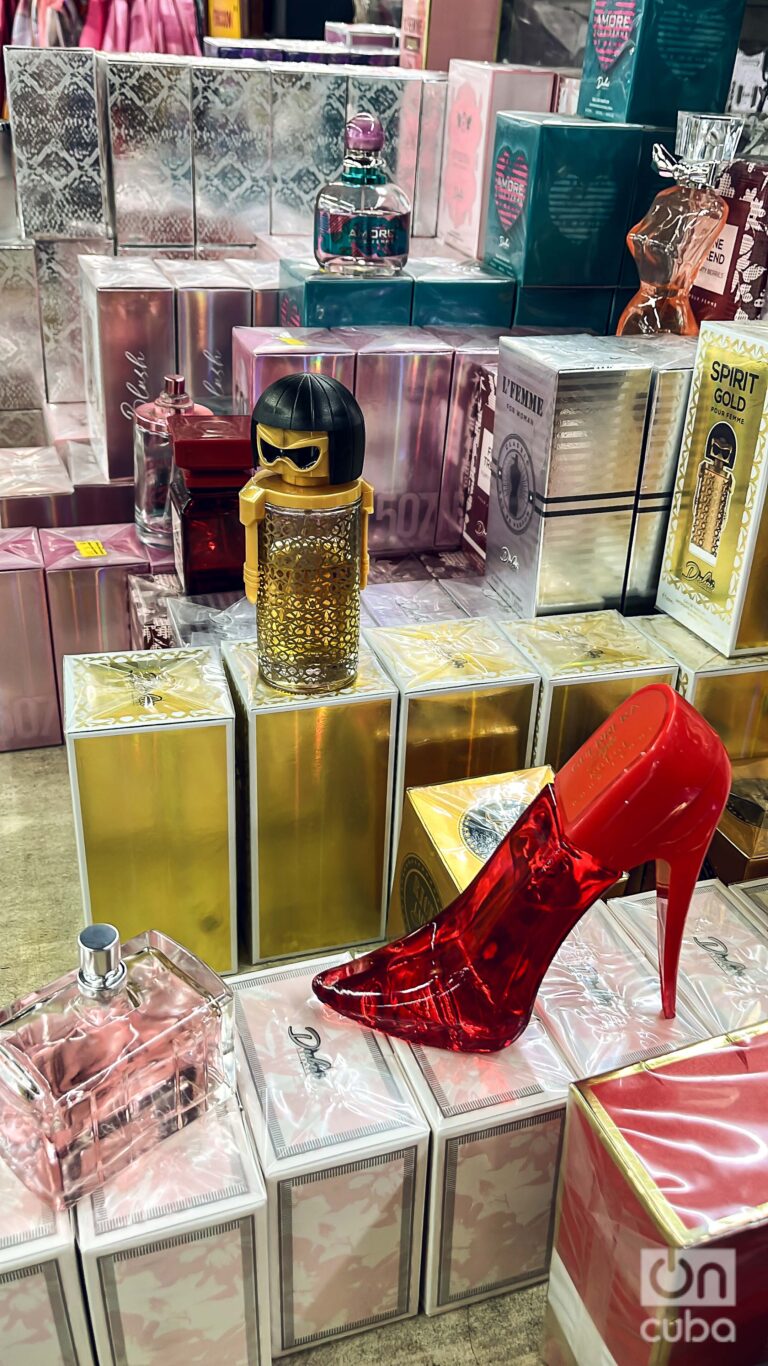
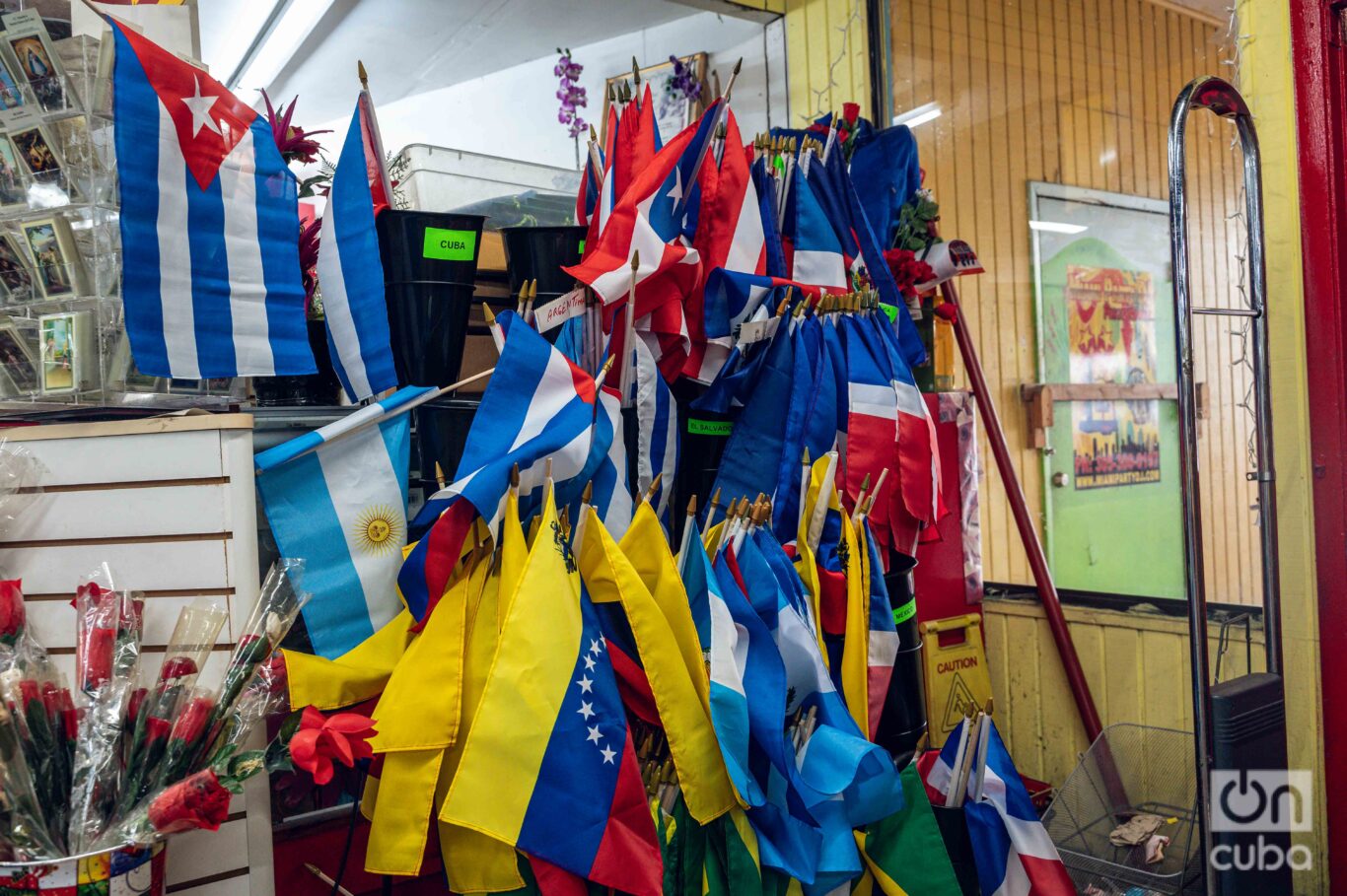
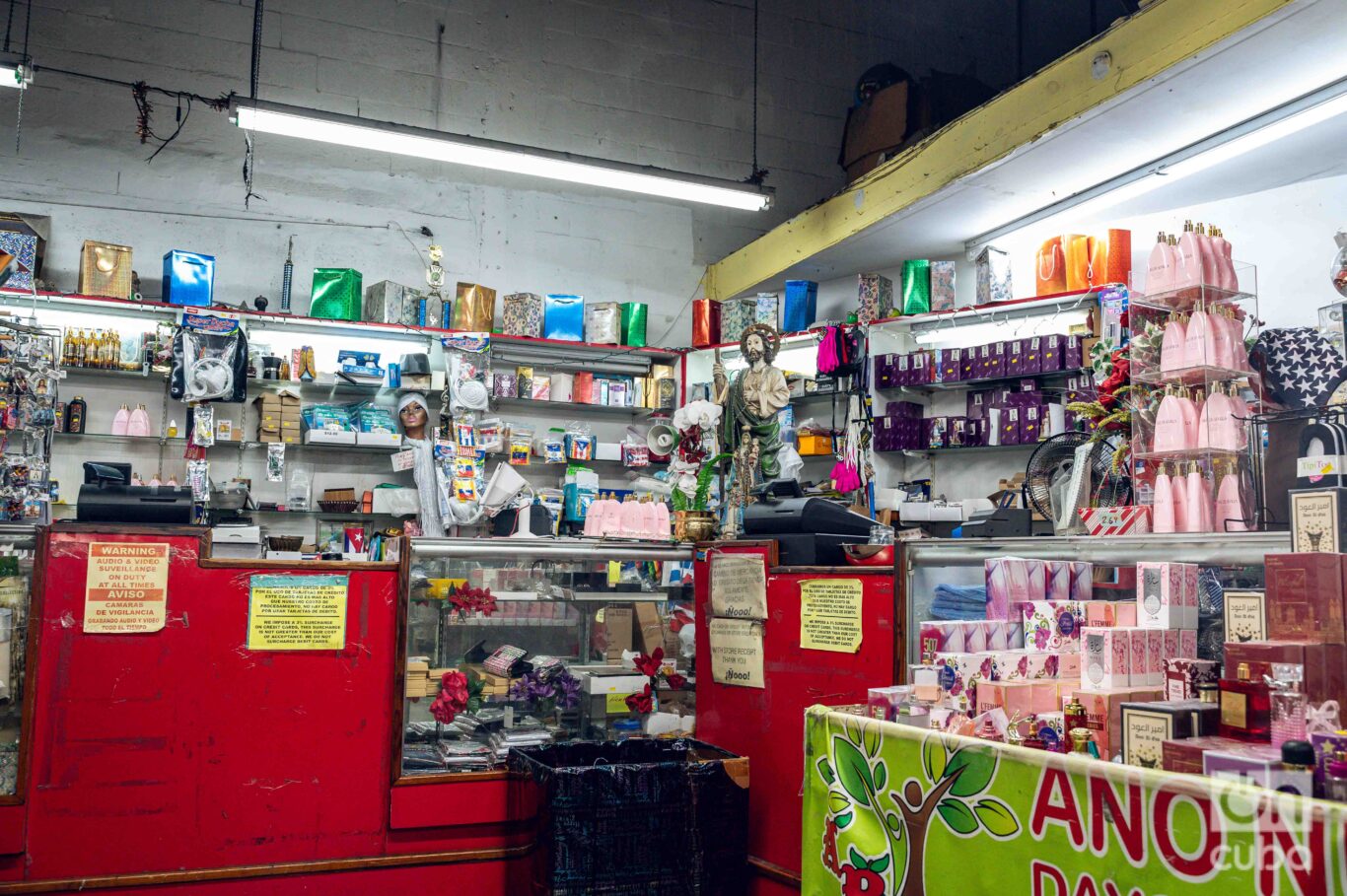
You go a little further and things get surreal: suddenly you go from vitamins and anti-inflammatory creams—very scarce in Cuba—to a perfumery section worthy of a shopping center, beyond that a counter for Afro-Cuban cults and, without warning, spare parts for Soviet cars. I confess that that was where I burst out laughing: who else would think of mixing cologne, saints and a Lada carburetor?
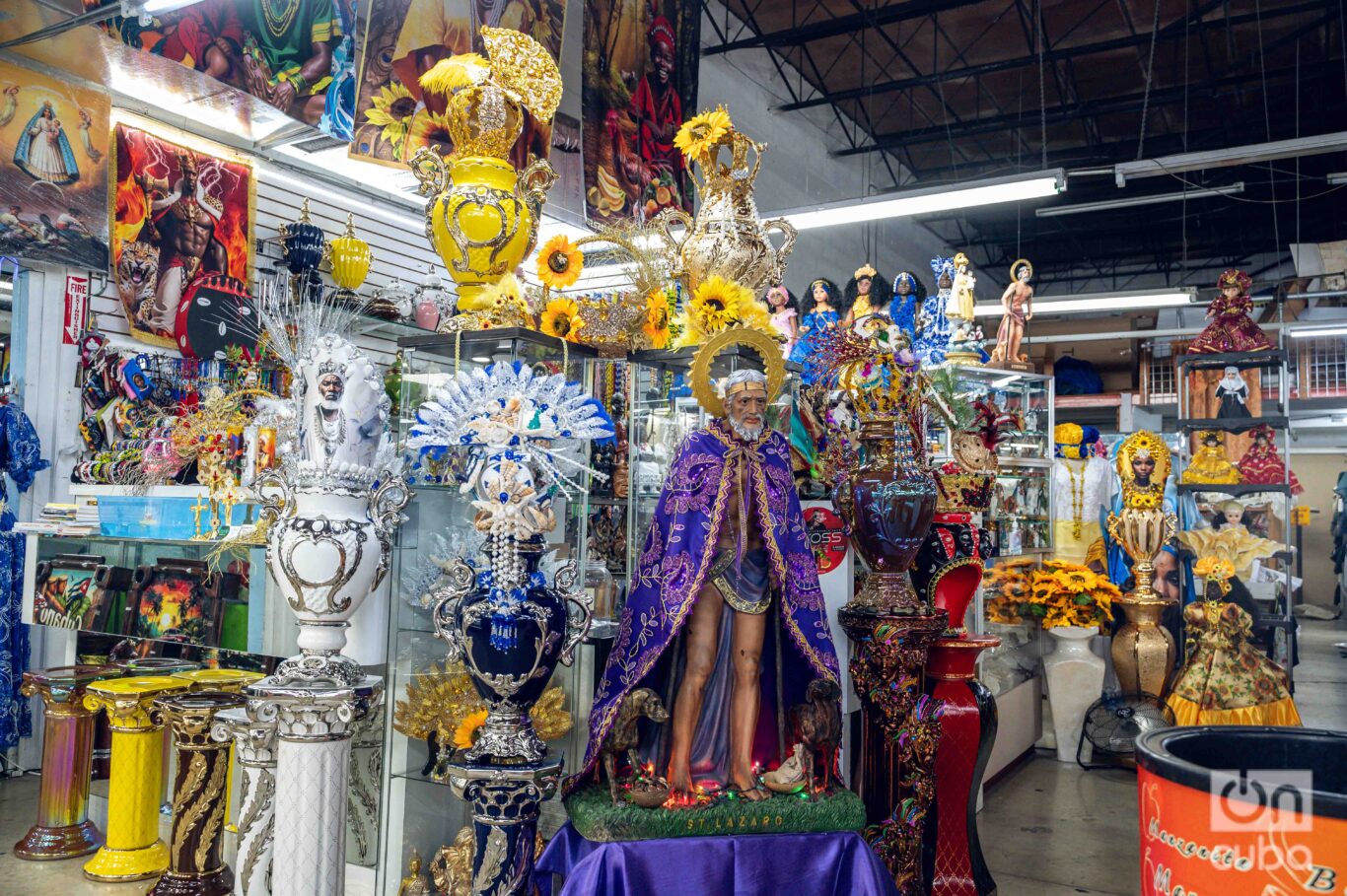
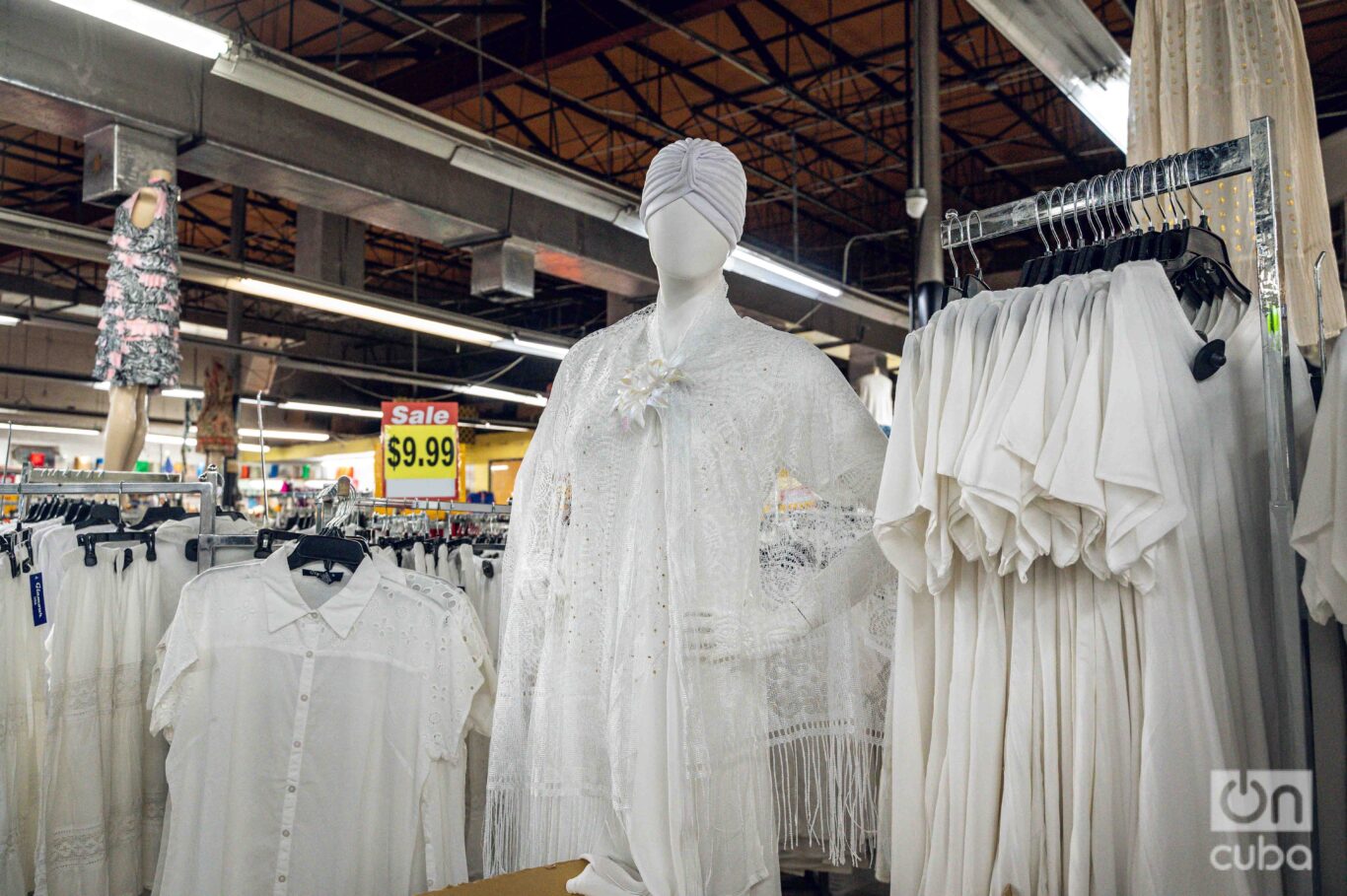
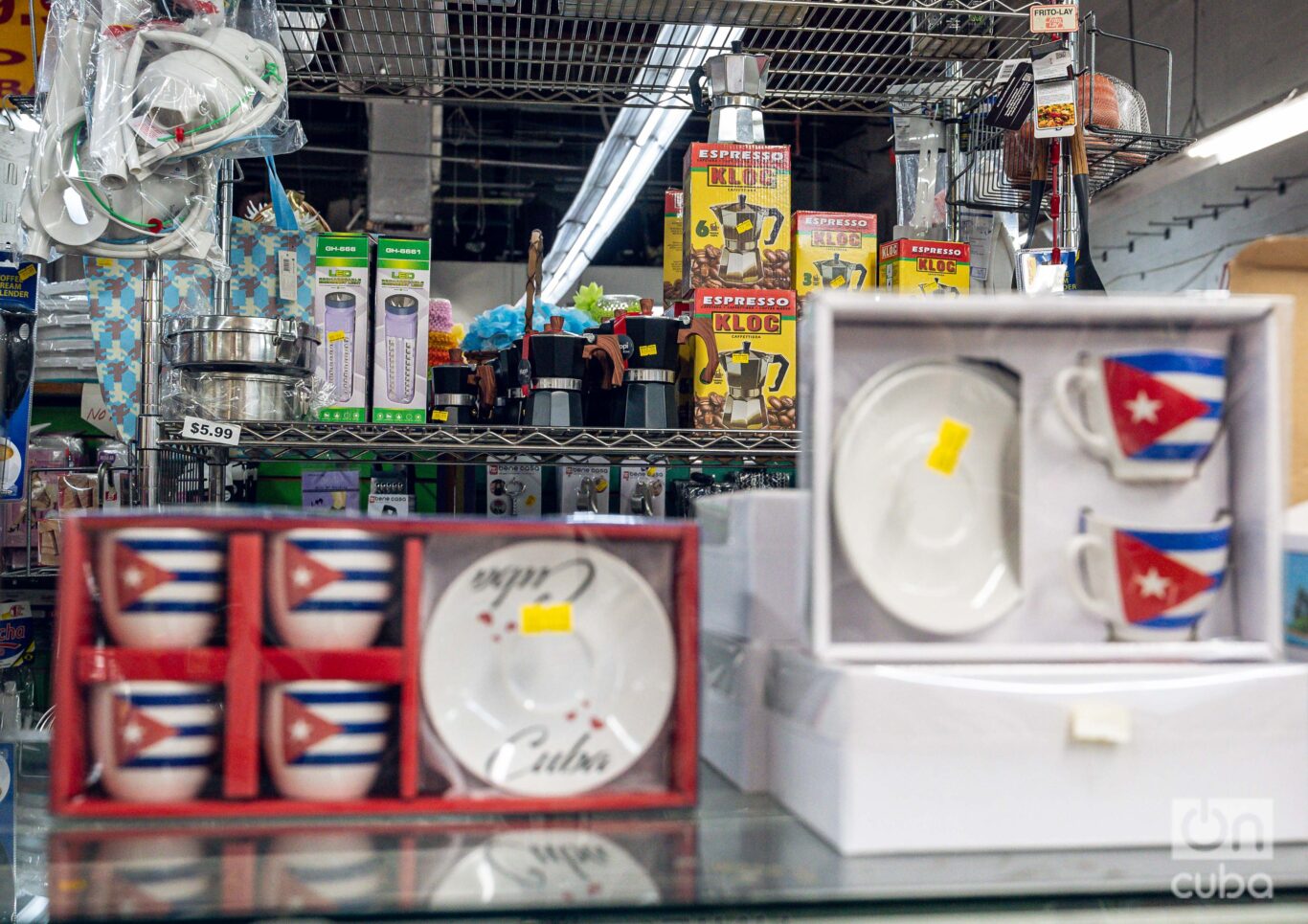
But in that store everything makes sense. Because there are also cell phones, music equipment and modern merchandise. It is a store tailored to the needs of the Cuban: what is needed on the island, what generates nostalgia and what, incidentally, keeps the pocketbook in check.
As I walked through it, I had the feeling that the only thing missing was the supply book with coupons, the one that in the 60s, 70s and 80s regulated how little there was to distribute. The rest was there: the colors, the smells, even the picturesque posters hanging on the walls. One said: “The fatties have been saved!”, announcing the arrival of large sizes. Creole humor never fails.
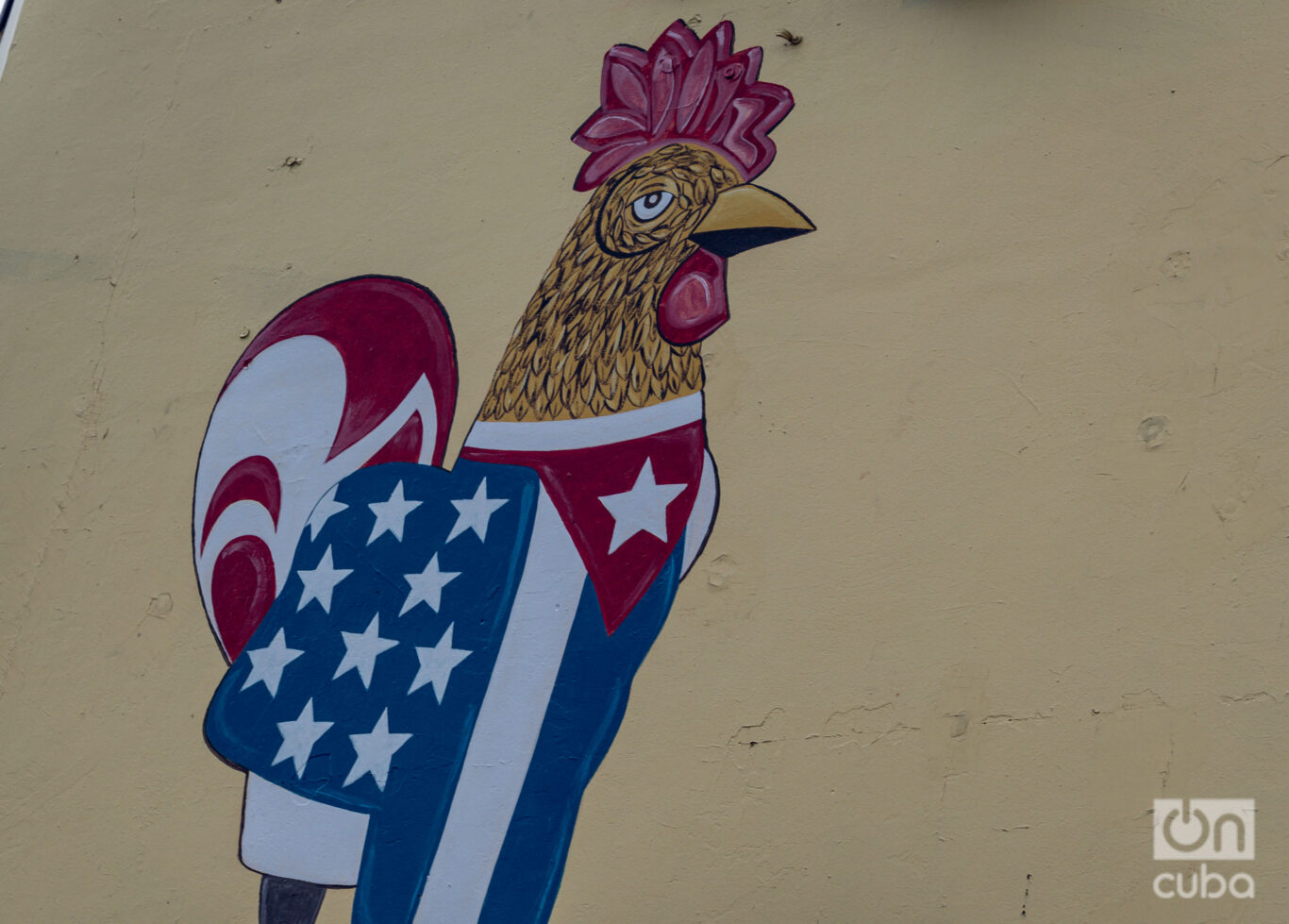
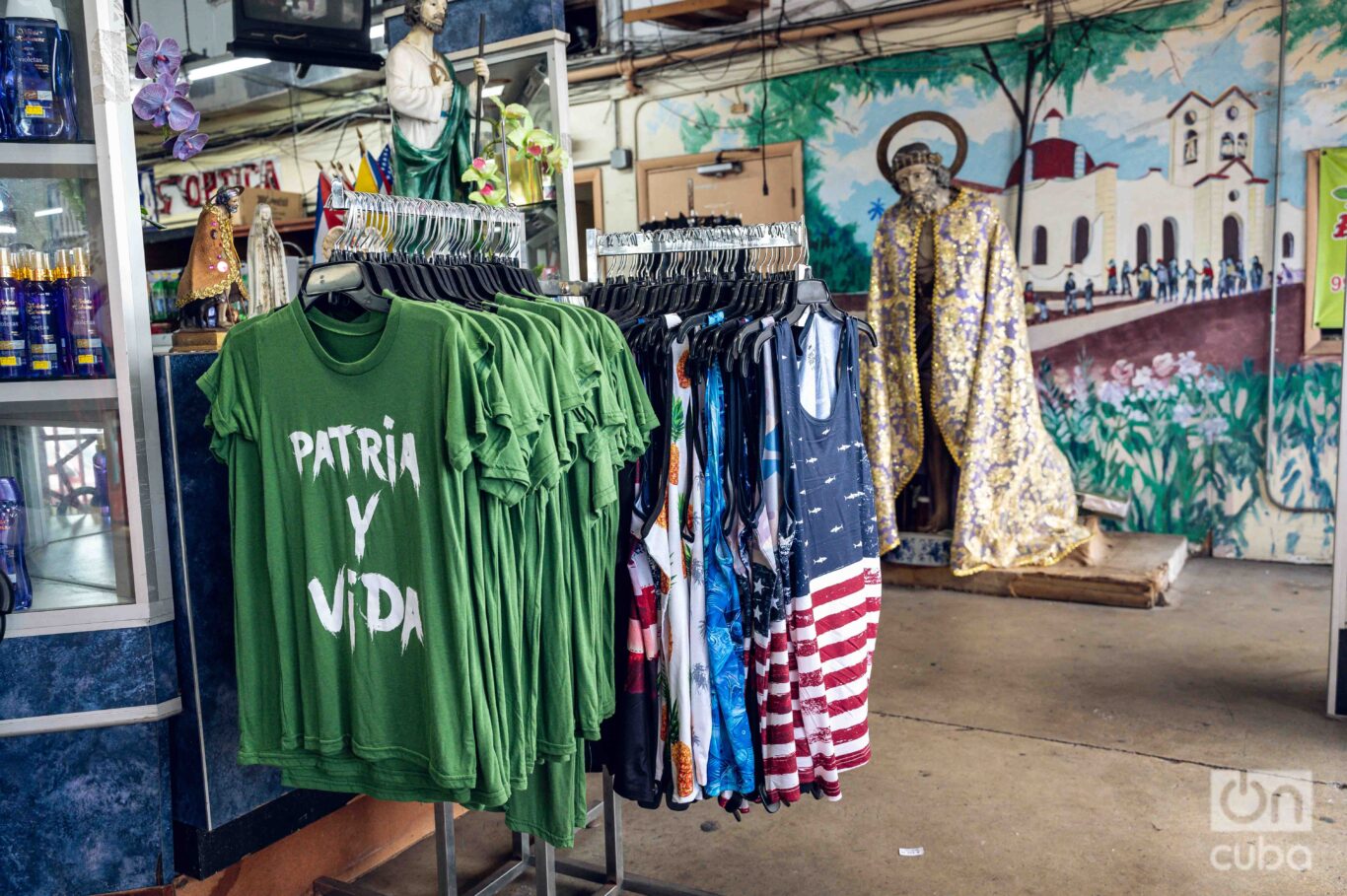
At the entrance, an image of Saint Lazarus with his cloak welcomes visitors. It is no coincidence: he is one of the most venerated saints in Cuba, after the Virgin of Charity of Cobre. And if murals with anniversaries, slogans and messages from the union still abound in the island’s stores, there is no shortage of equivalences here: instead of “Homeland or death”, a brand new poster announces “Homeland and life”. That mix of faith, politics, commerce and Cuban mischief perfectly sums up what happens inside.
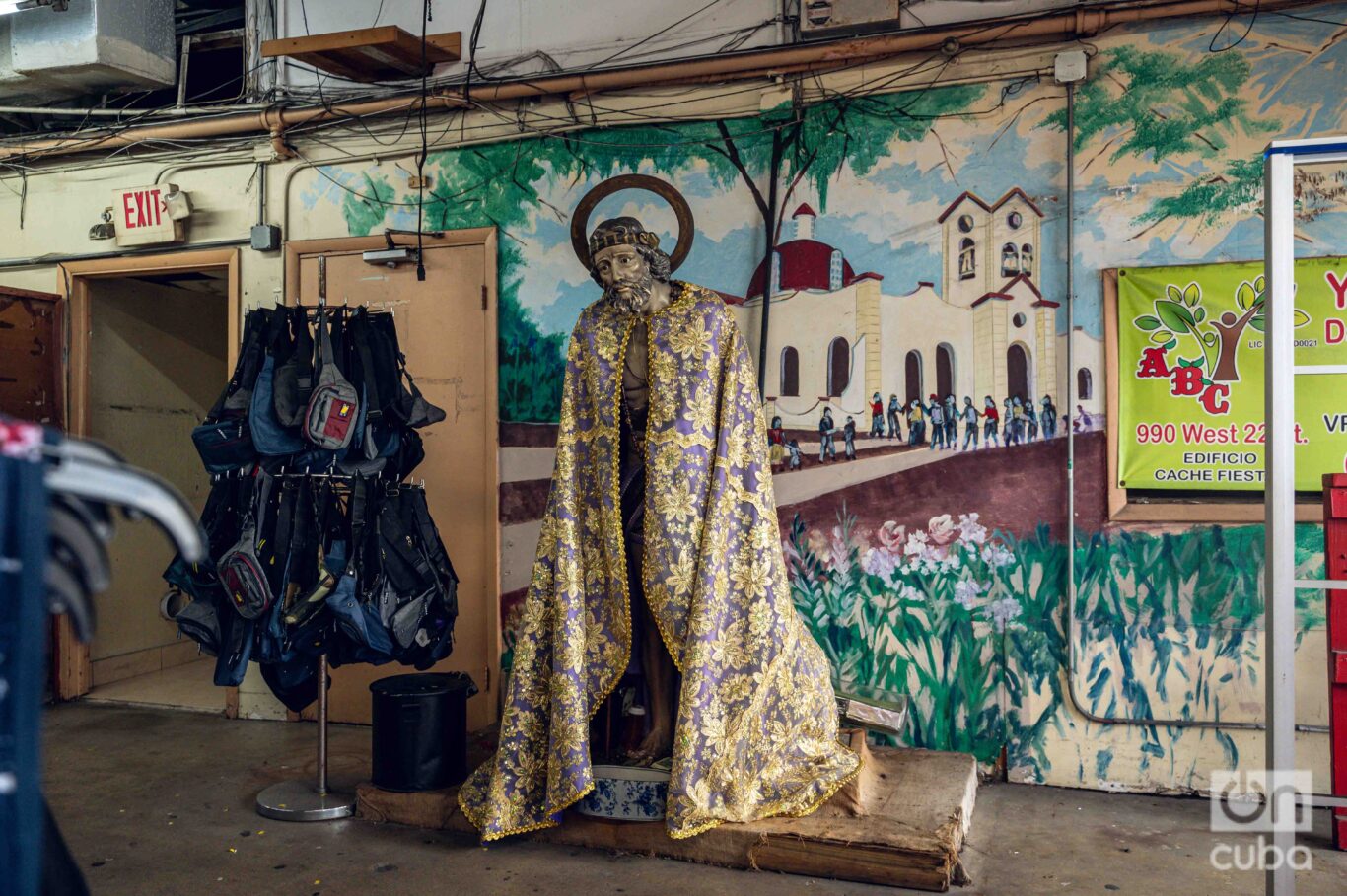
It doesn’t matter if the merchandise comes from China or is manufactured in Miami: what counts is that it works as a family bridge. Whoever buys does so thinking of someone on the other side of the sea. Cubans who visit Miami, Cubans who emigrated, Cubans who send packages: they all pass, sooner or later, through this Hialeah warehouse that solves.
I went with a clear objective: to find a bag big enough to fit my future daughter’s bathtub, the one I had bought at a very good price in Miami and wanted to take to Argentina. After several attempts throughout the city, a friend told me: “You can only find that in Wow, how cheap!” And he was right. There it was, one of those bags that we Cubans call “worms,” capable of containing how much we always carry at any latitude.
And boy, I found it. The saleswoman—obviously Cuban—helped me choose the right model and even gave me an express lesson: how much weight the bag could withstand, which airlines allowed carrying that size and what could or could not be brought into Cuba. He gave me all the information even knowing that my destination was not the island, but the southern cone. And, of course, he couldn’t stand it and asked me why the hell I was taking a bathtub to Argentina, “if things there were as hard as in Cuba.” Always the humorous gossip. But he still explained it to me with the same dedication. A true and empathetic trade professional.
Wow, how cheap! exceeds the imagination of a shopping in Miami: it is a piece of Cuba reassembled in the heart of the Cuban diaspora in the United States. A reminder that identity is also built with words — like that “ñooo” that serves to celebrate as well as to regret — and with stores that, between saints, school uniforms and cheap perfumes, make you feel like you never completely left.
And yes, when paying, at the checkout, the only thing I could say was: “Wow, how cheap.”













