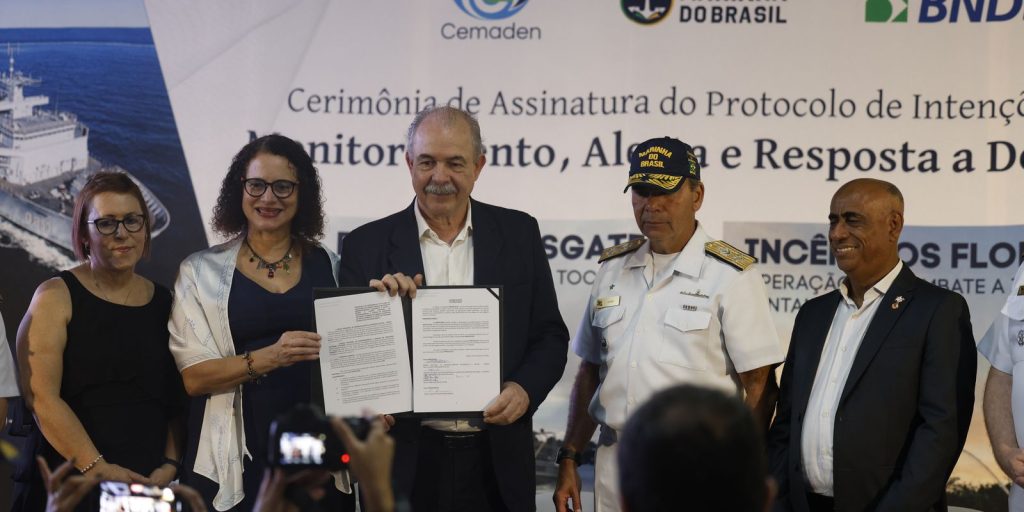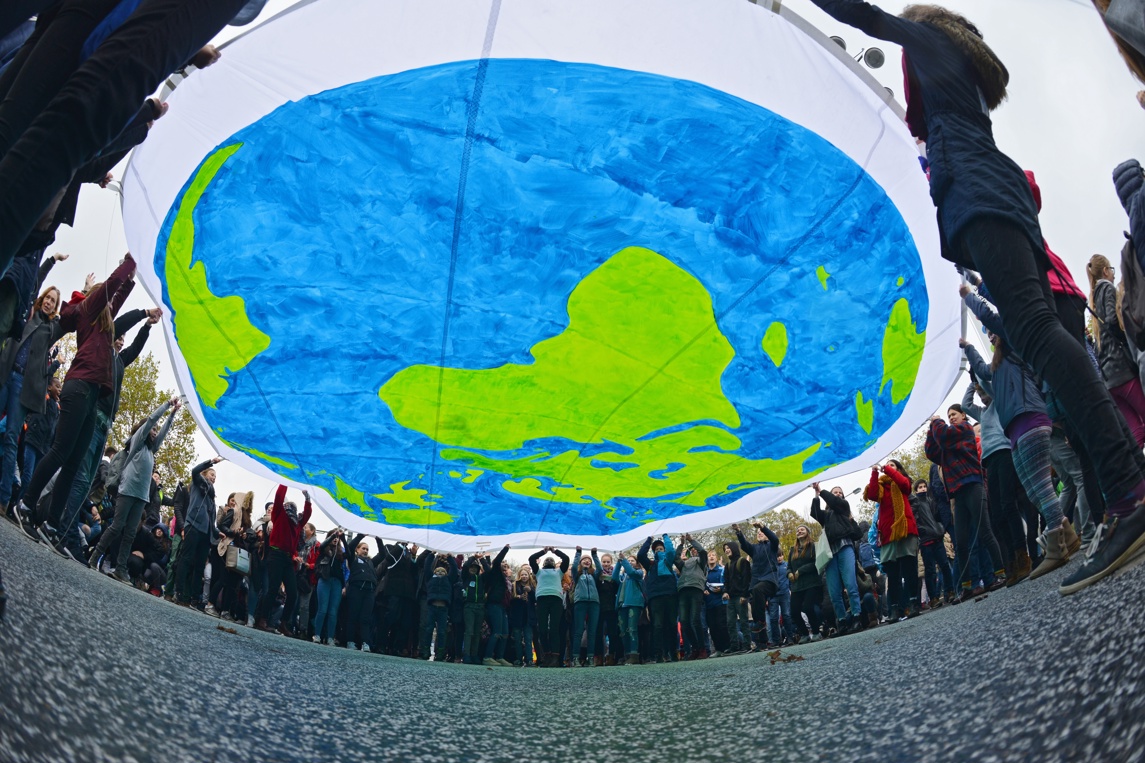
The meeting of leaders of the Conference of the United Nations on Climate Change (COP30) began this Thursday in Belém, Brazil, with a clear message: move from promises to action.
The meeting, which brings together nearly 60 heads of State and Government, seeks to lay the political foundations for the formal negotiations of the summit, whose official activities will begin next Monday.
In three working groups and a plenary session, leaders will review the Paris Agreement and other central issues on the agenda, such as the energy transition.
Brazilian President Luiz Inácio Lula da Silva, host of the conclave, put on the table the Tropical Forests Forever Fund, an initiative that proposes economic remuneration to countries that work in forest conservation and seeks to attract public and private capital to protect the Amazon and other tropical forests in 70 developing countries.
“Someone gives us 50 million dollars. That’s fine, but that’s nothing,” Lula said. “We need billions to face our problems, the problems of the people who live in those regions,” stated during his speech in the run-up to COP30.
It is estimated that the countries could benefit with 4 dollars per hectare of preserved forest. Brazil had presented this initiative during COP28, held in Dubai in 2023, and is now seeking to take the next step to implement it with the support of five potential investor countries: Germany, the United Arab Emirates, France, Norway and the United Kingdom.
For his part, the Secretary General of the UN, António Guterres, warned at the meeting that failing to maintain the 1.5°C target amounts to a “moral failure” and urged countries to abandon fossil fuel subsidies. “There is no more time for negotiations, it is time for implementation,” he stated.
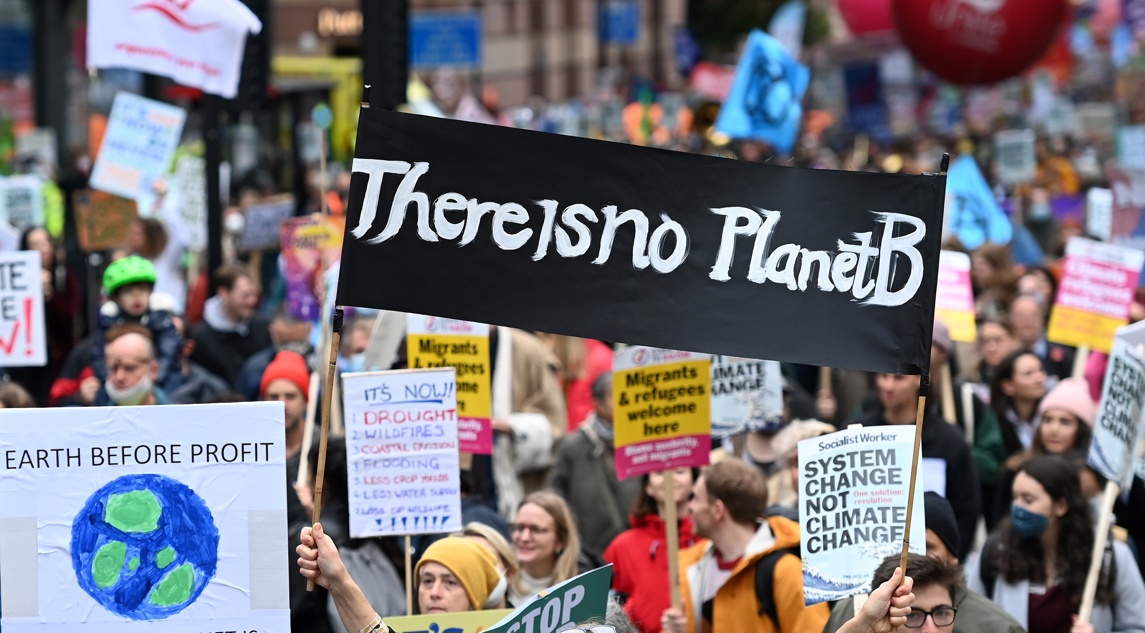
Guterres’ message has an alarming background: in October of this year, the planet reached its first point of climatic “no return” with the massive death of coral reefs in tropical seas, the first ecosystems to suffer the devastating effects of global warming.
According to a report signed by 160 researchers from around the world, 80% of these reefs have already been destroyed. “The impacts will be deep and broad: coral reefs are essential habitats for countless marine species, fundamental for food security, they move trillions of dollars in the global economy and protect coastal areas from storms,” warns a CNN note.
In this context, Guterres’ call for immediate action stops being just a warning and becomes an ultimatum regarding the need to keep global warming at bay. For this, emphasized the importance of continuing to support renewable energies and highlighted the progress achieved in this field.

“Solar and wind energy are now the cheapest and fastest growing sources of energy in history,” he said. “Last year, almost all new energy capacity came from renewable sources. The clean energy economy is creating jobs and spurring development. It is transforming geopolitics, delivering energy security and price stability. And it is connecting millions of people to clean, affordable energy for the first time.”
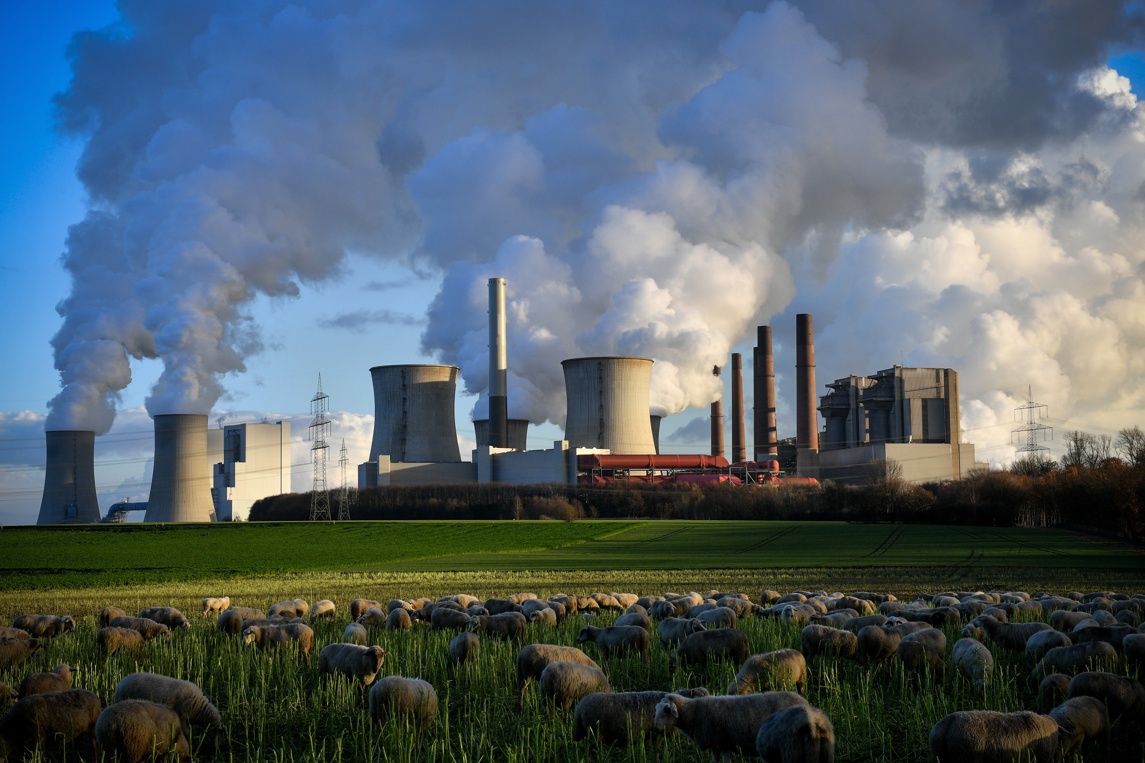
For her part, the president of the European Commission, Ursula von der Leyen, reaffirmed the European Union’s commitment to the Paris Agreement and underlined the urgency of promoting the clean transition on a global scale. “At this week’s COP30 we will underline our firm commitment to the Paris Agreement. The global transition to clean energy is underway and irreversible. Our priority is to ensure that this transition is fair, inclusive and equitable. In Belém we will listen to our global partners and debate key issues. To keep our common goal in sight, we must recognize diverse national realities and work together to achieve it,” he noted.


Leaders come with clear demands: more funding for adaptation in countries facing severe impacts, mechanisms that reward sustainable forest conservation, and measures that ensure decarbonization translates into jobs and development. In the short term, there are pending technical negotiations – including rules on carbon credits and financing – that will need to be finalized during the summit.
But the climate ambitions and promises of COP30, with Brazil at the helm, are taking place in a contradictory scenario. On October 20, the Brazilian Institute of Environment and Renewable Natural Resources (IBAMA) gave the green light to an oil drilling permit in the Amazon granted to Petrobras, one of the largest companies in the country. A decision that experts, indigenous leaders and environmental activists consider disastrous for the preservation of the biome and contradictory with the goal of saving the “lungs of the planet”, so defended by Lula and the hosts of the event.