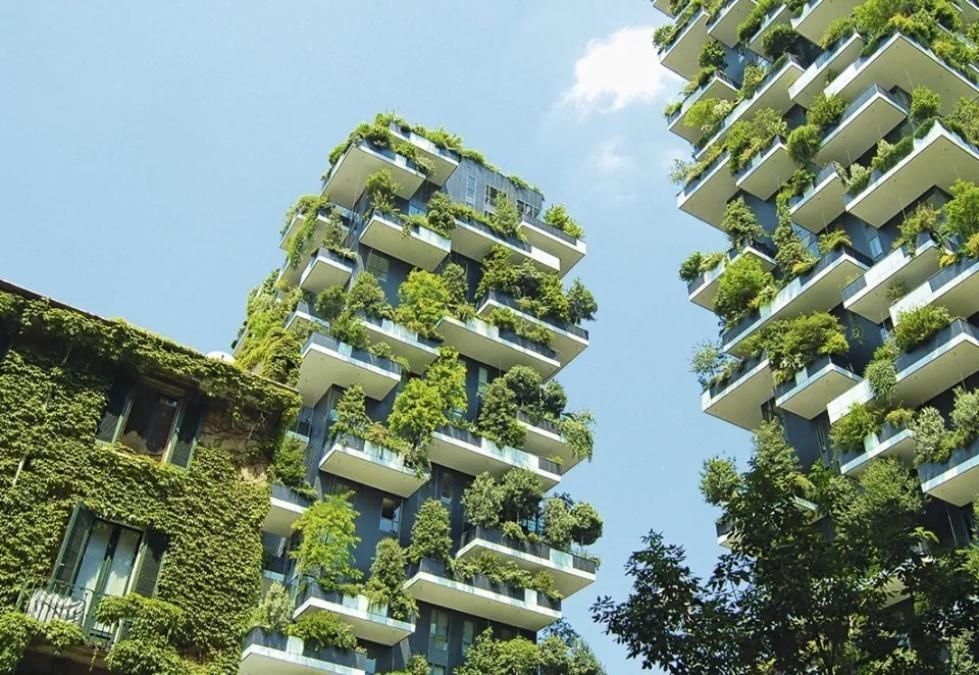
Every October 31, World Cities Day is commemorated, a date that invites us to reflect on how to achieve safer, more sustainable and resilient cities. In Peru, more than 80% of the population already lives in cities, an accelerated urbanization process that demands solutions that respond to the housing deficit, the pressure on infrastructure and the environmental impact generated by construction processes.
The National Center for Strategic Planning (CEPLAN) projects that, by 2050, more than 35 million Peruvians will reside in urban areas, which is equivalent to about 85% of the population. This growth must go hand in hand with an urban development model that prioritizes sustainability and climate resilience.
The United Nations Environment Program (UNEP) warns that the construction sector generates about 37% of the carbon emissions associated with energy in the world, so moving towards cleaner solutions has become imperative.
Below are some options and good practices that are transforming urban construction today:
- Materials with a lower carbon footprint: Cement and concrete with mineral additions or recycled components reduce CO₂ emissions without sacrificing performance. These solutions are already part of the transition towards low-carbon construction and are essential to meet climate commitments.
- High resistance and durability concretes: The use of concrete adapted to each environment, resistant to salinity, humidity or thermal changes, extends the useful life of the structures and reduces maintenance. This technical choice is key in coastal and Andean areas.
- Prefabricated and modular systems: The use of prefabricated components allows you to optimize resources, shorten deadlines and improve structural precision. In dense urban contexts, this technology also reduces interruptions and optimizes resources on site.
- Solutions that optimize water and energy: Incorporating technologies that reduce the use of resources is essential to achieve responsible construction. Today there are mixtures that require less water or that set faster, favoring energy efficiency in projects.
“Sustainability is not an aspirational concept, it is part of business efficiency. Innovation in materials and processes is the route to building more resilient cities, with less impact and more value for people,” said Norberto Ledea, CEO of Holcim Peru.
The innovation, however, is not only in the materials, but also in the way they are applied. Accompanying builders with technical advice from design to execution allows them to optimize resources and ensure that each work meets the quality and sustainability standards that today’s cities require. In this way, the construction industry can become a key ally for the development of more resilient, livable and future-ready cities.
RECOMMENDED VIDEO