“We were against the clock. The end of the month was approaching and we did not have all the analyzes that had been requested of us. So I divided the tasks among other people on the team to be able to cover the requests of the general management. It was counterproductive for me, because I had to dedicate more time to review the reports when I saw that some figures did not match the ones I had. Some They had been made with AI”.
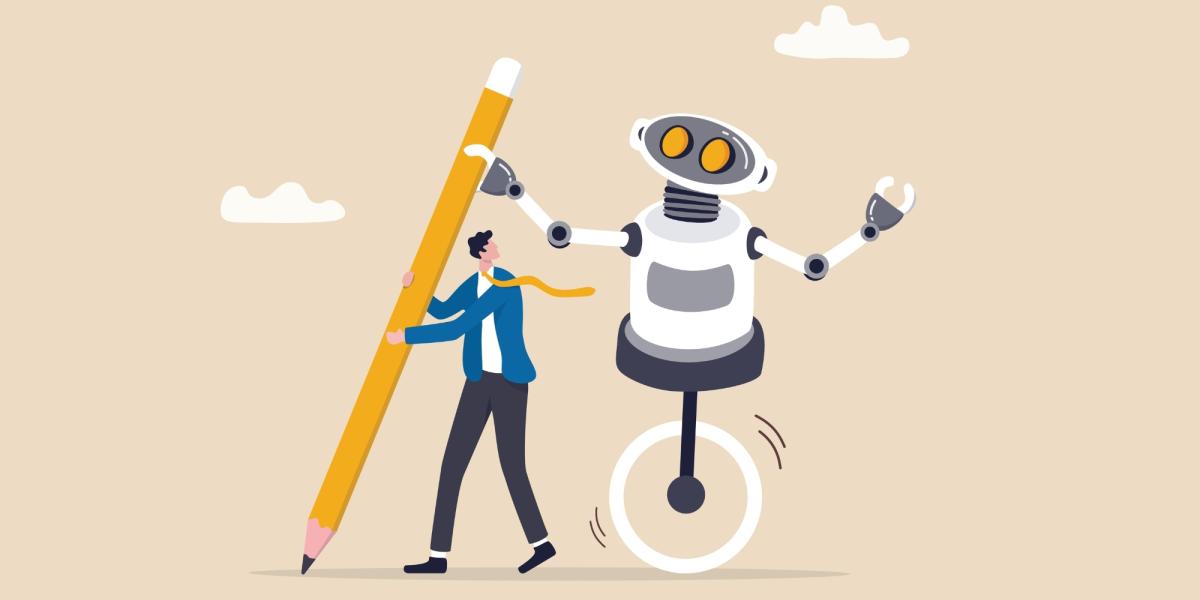
The testimony of Sergio Ramírez, manager in a large company in Mexico, reflects an increasingly common scene in the workplace. Generative artificial intelligence It has entered offices promising efficiency, but in many cases it has brought just the opposite, more time invested, more review and less clarity.
This phenomenon, recently identified by researchers at Stanford University and BetterUp Labs, is known as “workslop”, which in Spanish could be translated as scrap work or fill workthe one generated by AI that seems correct, even brilliant, but is actually incomplete, poorly contextualized or imprecise.
The result is an illusion of productivity. The hours that the “author” saves by using AI are paid later by whoever must review, correct or remake the material. What at first seems like efficiency ends up becoming a waste of time.
The scene connects with a global discovery. The Massachusetts Institute of Technology reported that 95% of enterprise generative AI projects does not generate return. Companies have enthusiastically embraced the technology, but the impact on productivity or real value remains limited. It is the paradox of this stage, a lot of adoption and little learning.
In this context, workslop arises, since AI can produce impeccable documents, but not necessarily useful ones. Redundant reports, analyzes that repeat obvious conclusions and errors in data handlingall of this ends up diluting creativity, increasing costs and deteriorating trust between teams.
The study by Stanford University and BetterUp Labs published by Harvard Business Review shows the magnitude of the problem. He 40% of employees respondents claimed to have received workslop in the last month and it is estimated that 15% of the work material that circulates belongs to that category. Each case represents almost two hours of time lost in review or correction.
The cost is not less. Each employee loses on average 186 dollars a month (approximately 3,500 pesos) for the time spent correcting or redoing materials made with AI. But the impact is not limited to productivity, since 42% of workers consider those who produce them less trustworthy, 37% perceive them as less competent and a third avoid collaborating with them again.
Behind this phenomenon there is a misuse of technology and lack of key skills. Generative AI tools can be powerful, but only when integrated into a clear process, with defined objectives and human review. In inexperienced or rushed hands, they produce fast, empty content. Junk work.
Artificial intelligence can make us more productive, but only if used correctly. The challenge is not in generating more reports, analysis and spectacular presentations, but in thinking better while doing it. Both people and companies must strengthen the skills of analytical, critical and digital thinking to take advantage of the benefits of AI without falling into poor results.
In that boundary between speed and depth It will define how we will work in the coming years. AI will not replace human intelligence, but it will challenge it. He’s already doing it.