The Ministry of Finance and Prices denied this Wednesday the end of tariff benefits for the import of food and medications, valid until the 31st of this month; Nor are dates of the possible extension specified.
“Error information is circulating on networks about the end of tariff exemption on non-commercial imports of food, toiletries and medical supplies,” the entity clarified in X.
Erroneous information circulates on networks about the end of tariff exemption on non-commercial imports of food, toiletries and medical supplies. This benefit is valid until January 31, 2026. See modification or update of regulations in official media.🇨🇺 pic.twitter.com/23dop25UAn
— Ministry of Finance and Prices Cuba (@finanzasprecios) January 14, 2026
The organization made it clear that no decision has been adopted that modifies the exceptional tax treatment currently in force. Any change, update or decision associated with this measure, he said, will be promptly announced by official media.
This is a measure that seeks to alleviate, in a certain way and for those who can do so, the severe energy crisis and the prolonged blackouts that the country is currently suffering.
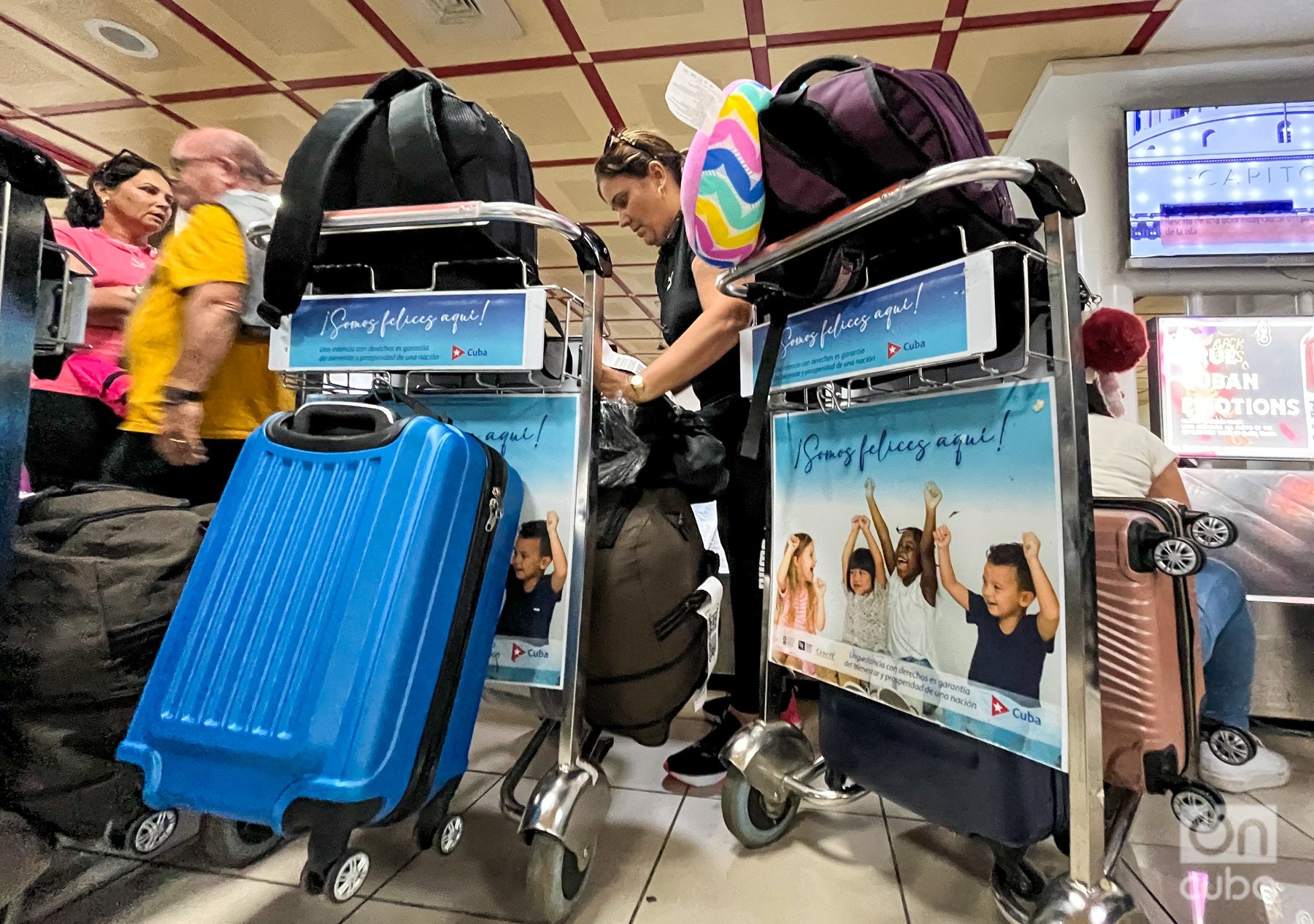
During the current period, it is confirmed that items classified as food or hygiene, medicines and medical supplies, which are imported as part of the passenger’s luggage, as well as shipments, “will be presented to Customs in packages separate from the rest of the products, for the application of the benefits established in the approved legal regulations.”
With a marked temporary nature, in the implementation of this measure “people have been identified who use these benefits for profit and not to satisfy personal and family consumption,” stated a note published by Cubadebate.
In 2024, 118 violations related to tariff exemptions were recorded; and in the first quarter of 2025 alone, 104 violations have already been reported, after which 8,978 kg of medicines, food and hygiene products were seized, as part of border control actions.
Cuba closes 2025 with an interannual inflation of 14.07% in the formal market
The island is experiencing a crisis that has decimated the purchasing power of citizens and paralyzed key sectors of the economy. The Government blames the United States sanctions and what it calls “intensified economic war,” although it also recognizes its own inefficiencies.
In addition, the country suffers from the contraction of productive activity, the advance of dollarization and daily blackouts.
The Cuban economy contracted 1.1% in 2024 and has accumulated a drop of 11% in the last five years, according to official figures. The Economic Commission for Latin America and the Caribbean (ECLAC) also predicts that the country’s gross domestic product (GDP) will once again register a negative performance.
External and internal factors have contributed to the crisis, including the impact of the Covid-19 pandemic, the tightening of US sanctions since 2017 and the difficulties associated with the economic and monetary policies applied on the island. The deterioration of living conditions has led to growing social unrest and a wave of migration unprecedented in its magnitude and persistence.