By Rocco Zetola, CEO of Agroindustrial Businesses of the Romero Group
The agribusiness Peruvian lives a decisive moment. After closing 2024 with around US$12.8 billion in agroexports, the country once again confirms the enormous dynamism of a sector that is already Peru’s second export engine. However, the real question is not how much more we can grow in volume, but how we are going to grow in a global context where markets are redefining what it means to be competitive.
During the last two decades, the Peruvian agro-export model was built on efficiency, expansion of the agricultural frontier, stability of the legal framework and specialization in high-value products. That cycle was successful, but the pressure on water resources is increasing, climate events are more frequent and international consumers no longer look only at the quality of the product. Today they demand sustainability, traceability and productive chains free of deforestation and socially responsible. The agribusiness of the future is no longer just productive; is responsible and resilient.
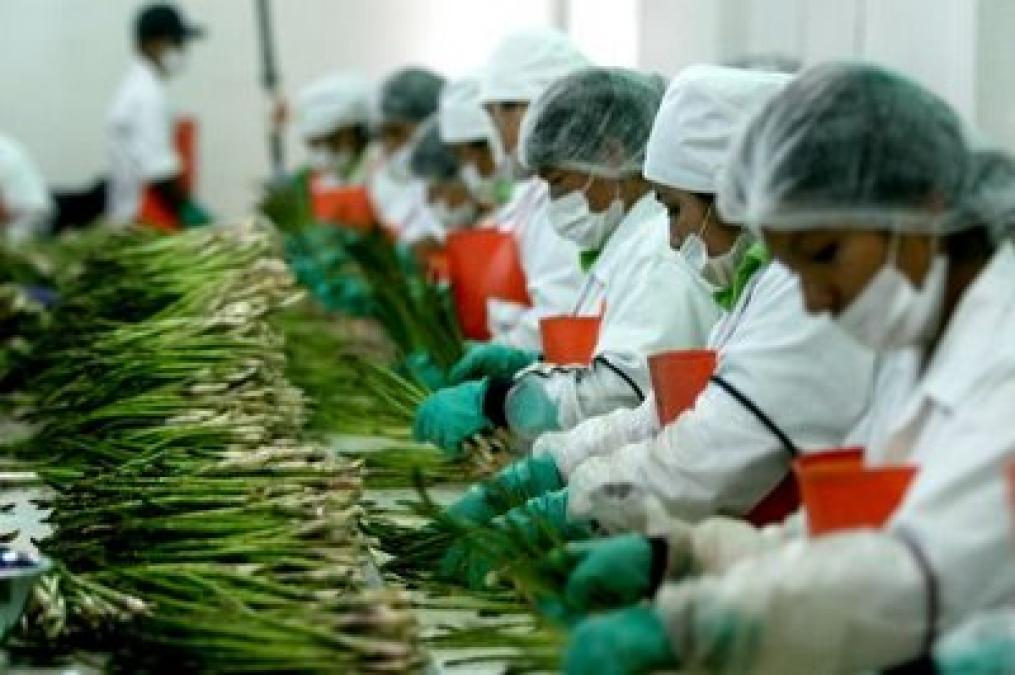
In this new scenario, sustainability becomes essential. There will be no possible growth if we do not incorporate energy efficiency and responsible agriculture. We must assume that competitiveness is not only environmental: it is also social. The development of communities, the generation of employment, continuous training and the creation of opportunities for youth and women are essential conditions to build inclusive and sustainable value chains.
Added to this transition is the technological revolution, which will be the greatest productivity multiplier for the country. Artificial intelligence will make it possible to produce more with less, reduce waste, improve predictability and bridge gaps between large and small producers. Integrating technology into our production chain will be essential to maintain competitiveness and meet the demands of increasingly technical markets.
But even sustainability and technology will be insufficient if we do not adopt a truly global mindset. The competition today is not only for access to more countries, but for positioning ourselves as a reliable, transparent and long-term partner. Exporting is no longer selling a product: it is selling trust. This implies anticipating technical barriers, diversifying destinations, participating in international standards and strengthening our sectoral institutions.
Peru has a unique opportunity to lead this new global stage of agriculture. We have the talent, climate diversity, knowledge and business experience to become a global benchmark for sustainable agribusiness. But we must assume that the future of the sector will not be played in the expansion of hectares, but in the ability to adopt responsible models, cutting-edge technology and internationalization strategies.
If we align these three pillars: sustainability, digitalization and global vision, and if we strengthen sustainable and inclusive production chains, we will be able to maintain competitiveness and transform it into an advantage that benefits the country and consolidates a new standard for the Latin American agribusiness.
The next revolution in Peruvian agriculture will be sustainable, digital and global. And if we build it with vision, it will also be the most prosperous in our history.