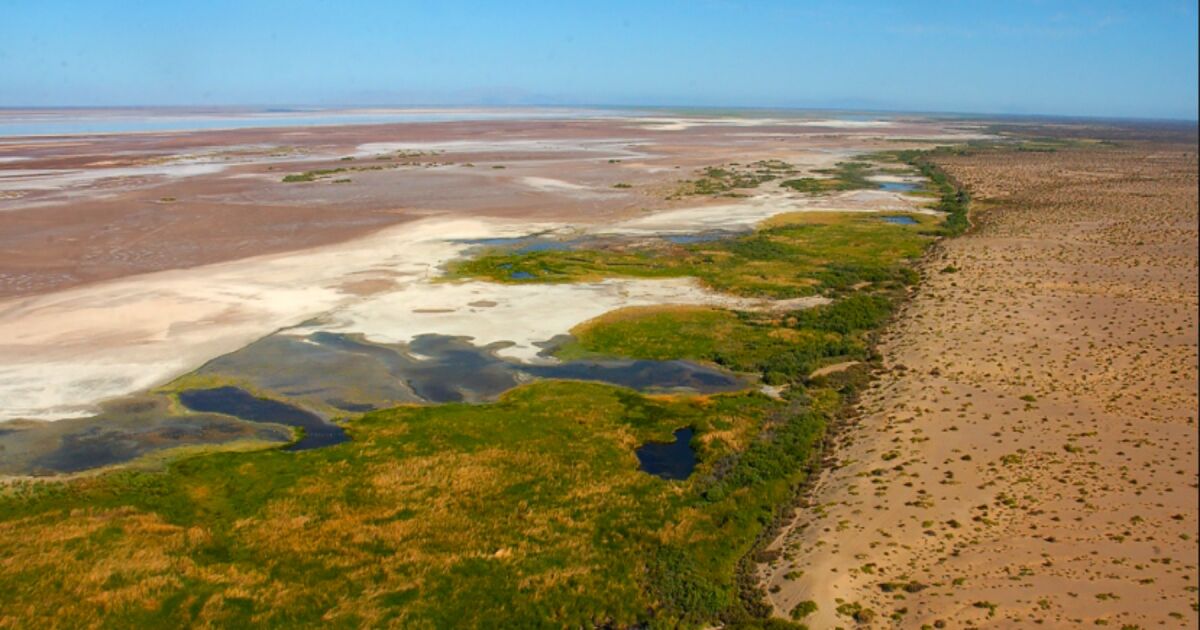
Diplomacy, the key to returning water to the river
Starting with the Water Treaty of 1944, between Mexico and the United States, which regulates the use of the Bravo, Colorado and Tijuana rivers, complementary agreements, known as “actas,” began to be negotiated, which allow the management of this resource to be adjusted.
Thus, in 2012, Act 319 was signed, an agreement created especially to allocate volumes of water for environmental purposes.
The flow not only sought to revitalize the delta, but also protect around 380 species of endemic birds, as well as allow the recharge of aquifers, without compromising water intended for human, agricultural or industrial consumption.
For Navarro, this act set an international precedent, with environmental scope, but also political and binational management of natural resources.
“On the planet there are more than 300 basins shared by two or more countries. And it is the first time in history where two governments agree to allocate river water to the ecosystem.
“It has been an example of first-level diplomacy. Sharing abundance when there is, but also scarcity when there is drought. Sharing information, infrastructure and decisions,” he said.
(Photo: reviveelrio.org)
The day the river returned
Thanks to the work derived from the agreement, in 2014 the water began to flow again. From the Morelos Dam, in Baja California – which feeds the Mexicali Valley – hope was ignited to see an ecosystem considered lost restored.
“There were entire generations who had never seen the river pass through their community,” Navarro recalled.
“The party was almost set up: people camping, horses, families. It was impressive. It coincided with Easter and it became a huge social event,” he added.
The water briefly managed to reconnect the Rio Grande with the Gulf of Mexico. For the Alliance, this moment confirmed that the project was not only ecological, but communal, since the water also restored memory and identity to the surrounding communities.
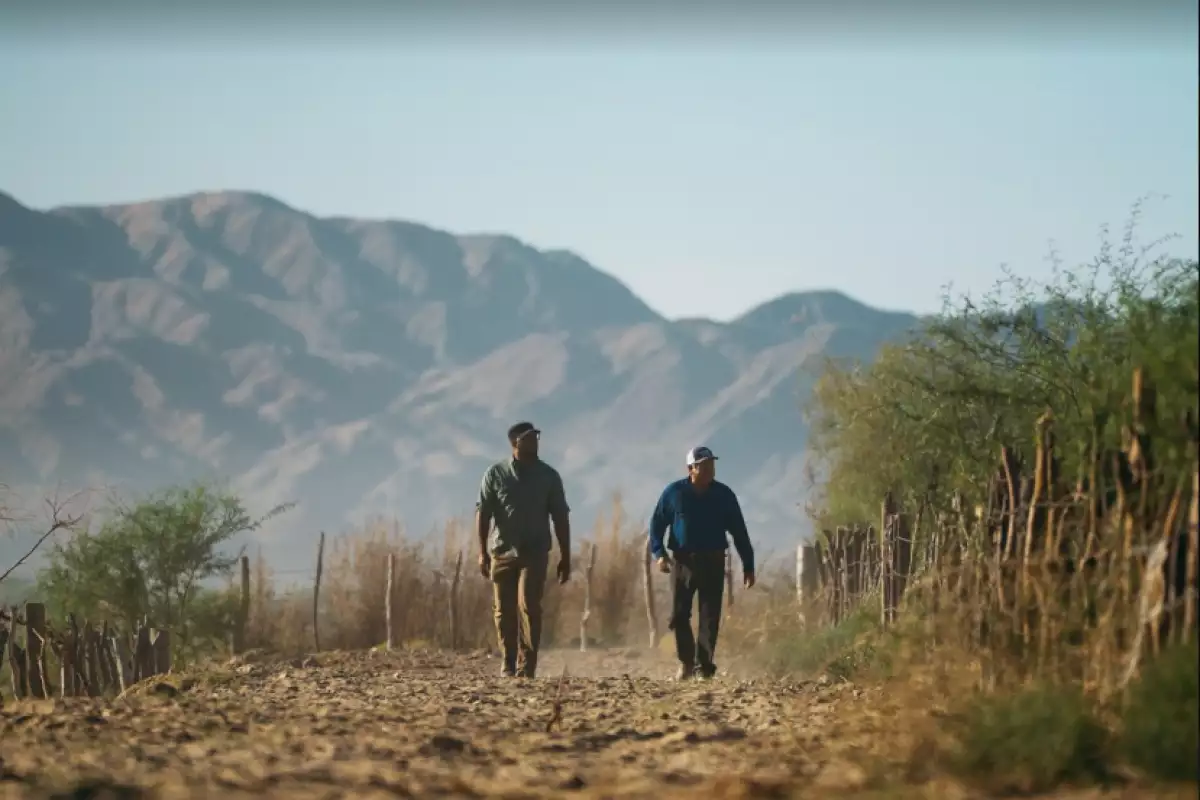
Since then, the organization operates as the technical and social arm of binational cooperation. They manage lands, eliminate invasive species and reforest with native vegetation.
“It’s tree by tree, by hand. We planted poplars, willows, mesquites, everything that historically belonged to the ecosystem,” Navarro explained when describing what the work has been like to restore the delta.
Today there are more than 500 hectares restored and nearly a million trees planted. Migratory birds, beavers and other mammals have returned.
“You find a forest where it used to be sand. That changes everything: the fauna, the local climate, people’s perception,” Navarro celebrated.
The Alliance also works with communities and agricultural producers.
“We provide local employment, we train people in nurseries, in monitoring, in restoration. And we work with farmers so that they produce the same thing with less water,” he added.
(Photo: reviveelrio.org)
Produce with less water
The water challenge in this region forces us to look beyond the delta. The Alliance, as Navarro explained, has also begun to work with farmers in the Mexicali Valley to make the use of this resource more efficient.
“Climate change is advancing more and more, there is less and less melting. We have to prepare for a future with less water,” Navarro warned.
“The key is to produce the same with less, optimize each cubic meter,” he added.
But cooperation between governments to green the Colorado has also involved sacrifices. In recent years, both Mexico and the United States have applied cuts to their allocations when levels drop, this is through a new act signed in 2017, 323.