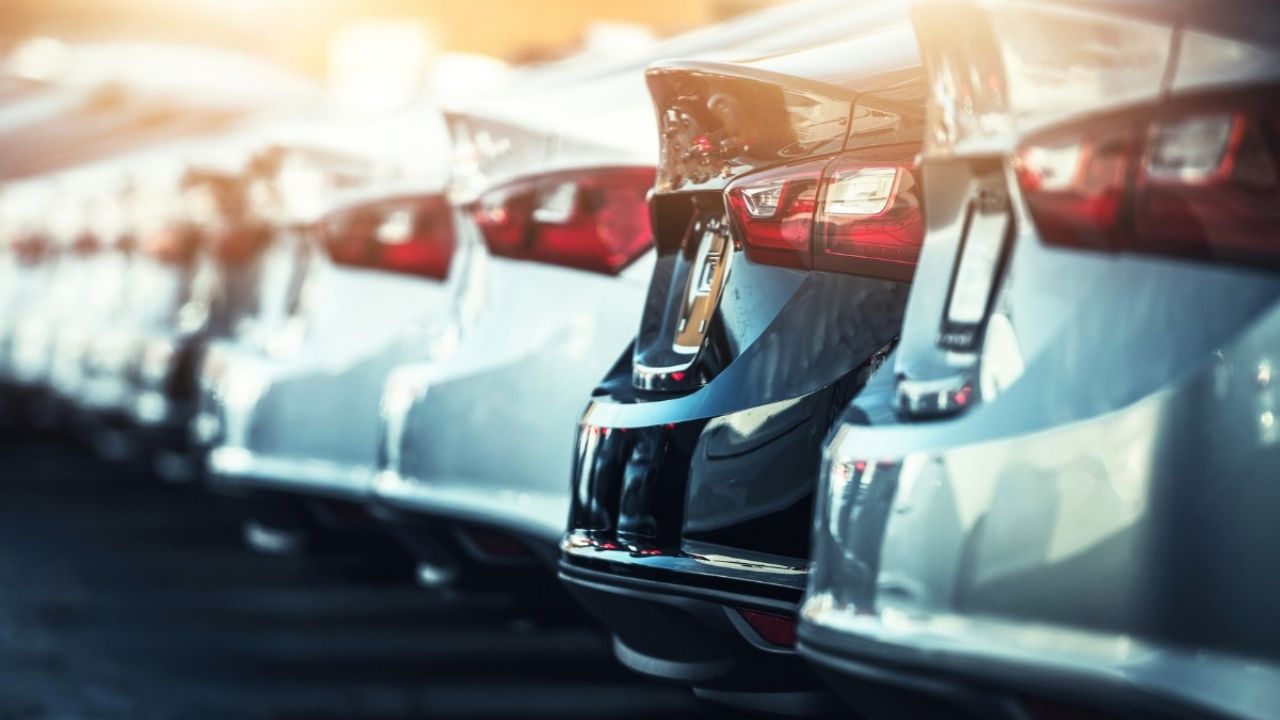
Chile becomes the first country in South America to demand the Euro 6C standard for vehicles Livianos, a measure that will enter into force as of September 30. This provision aims to reduce the levels of harmful pollutants in cities, raising the rod in front of emissions such as nitrogen oxides and fine particulate material.
What will change for vehicles in Chile
The Euro 6C standard is based on the WLTP protocol, an international system that evaluates the emissions of the vehicles in real management conditions. Unlike previous tests, it includes accelerations, braking and load variations, allowing more precise results. According to the goals established for Chilithe reduction of pollutants will reach up to 56% compared to previous stages, a relevant step on the road to cleaner cities.
The normative process began in 2020 with Decree No. 40/2019, which introduced the Euro 6 scheme in the country. Two years later, in 2022, Euro 6B was required for new approval of vehicles to gasoline and diesel. Now, with the jump to Euro 6C, the limits and control procedures are hardening.
The regulations not only regulate the emissions, it also establishes fuel consumption objectives measured in kilometers per liter of equivalent gasoline. The set goals are: 18.8 km/lge between 2024 and 2026; 22.8 km/lge between 2027 and 2029; and 28.9 km/lge since 2030. This schedule points to the vehicles Stop dependent on fossil fuels, reducing carbon dioxide emissions throughout your useful life.

Necessary technologies in vehicles
- More efficient catalysts.
- Particle filters in gasoline engines (GPF).
- Particle filters in diesel engines (DPF).
- Advanced motor management systems.
- Calibration settings under the WLTP protocol.