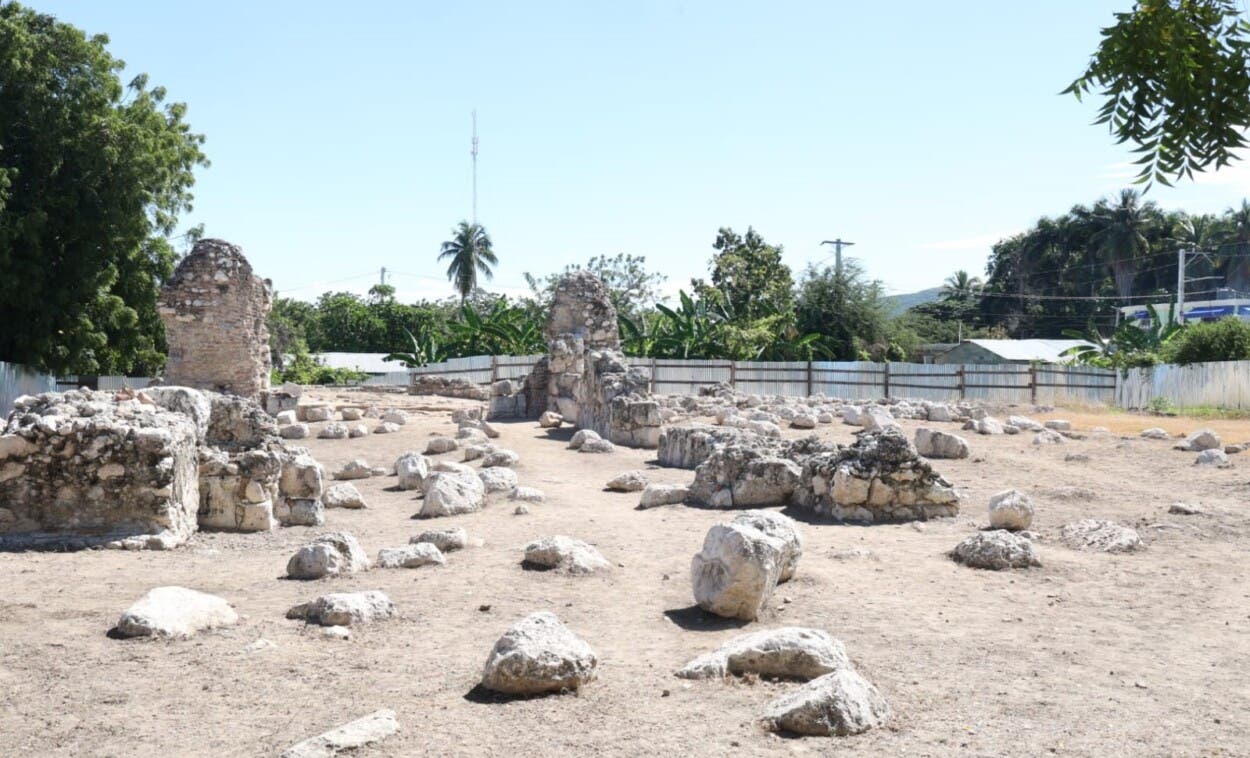
Santo Domingo.– The current province of Azua had its origin in a town established in the area that today is known as Old Townwhere, according to historical tradition, the remains of the cacique Enriquillo.
In the 16th century, the economy of the area was based mainly on the cultivation of sugar cane, livestock and the slave trade, which were transferred from the then Villa Azua de Compostela to different parts of the American continent.
“The first Spaniard to reside in Villa Azua was Pedro Gallego Mariscalnative of Santiago de Compostela. He dedicated himself to agriculture and livestock, along with other Spanish settlers such as Hernando Gorjón“explained the culture managerl Julio Merán.
You may also be interested in:
According to Merán, Gallego Mariscal also participated in the slave business. Likewise, he noted that the town was founded in 1504 by Diego Velazquez from Cuellar and Hernan Cortesby order of the Catholic Monarchs and under the administration of Nicolás de Ovando.
The historian indicated that agriculture continued to expand in the area, especially the production of sugar cane, which gave rise to the emergence of sugar mills and mills, including the Cepi Cepi, owned by Diego Caballero de la Rosa.
Villa Azua was later moved to its current location, further north on the Caribbean coast, after the earthquake that occurred in 1851.