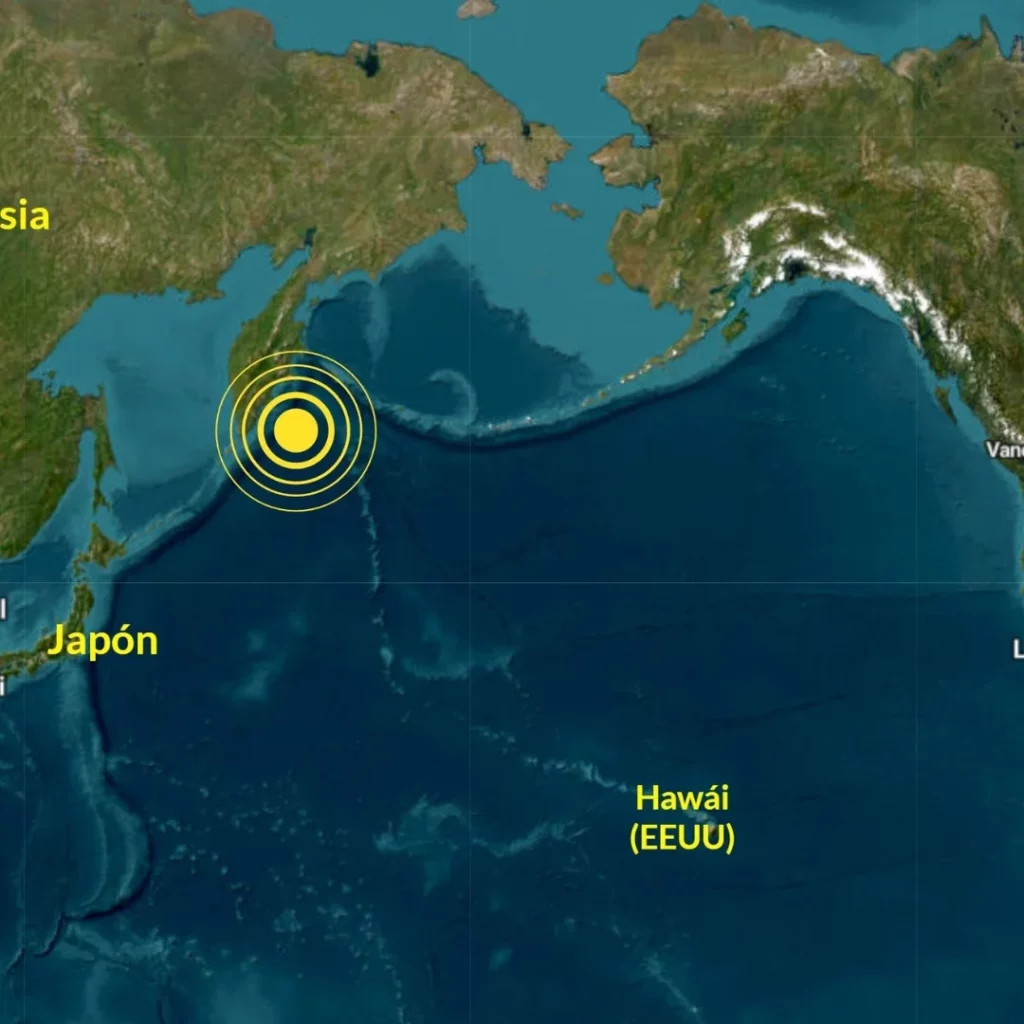
An earthquake of magnitude 8.8 in front of the Kamchatka Peninsula (Russia) lit Tsunami alerts in several Pacific countries, including China and Russia.
The seismic event occurred, approximately 18 km under the ocean, with epicenter about 80 miles from Petropavlovsk -Kamchatsky, on the eastern coast of Russia
He was one of the most powerful registered in the region since 1952, reaching a magnitude that generated waves of up to 5 meters on the Russian Costa of Severo -Kurilsk.
Given the level of danger, the authorities immediately activated Tsunami alerts in multiple countries due to the potential of dangerous waves that moved through the Pacific
Now what is a tsunami alert?
A Tsunami alert It is an official warning issued by weather or seismic authorities when it exists The possibility that an earthquake or underwater activity generates dangerous waves on the coasts.
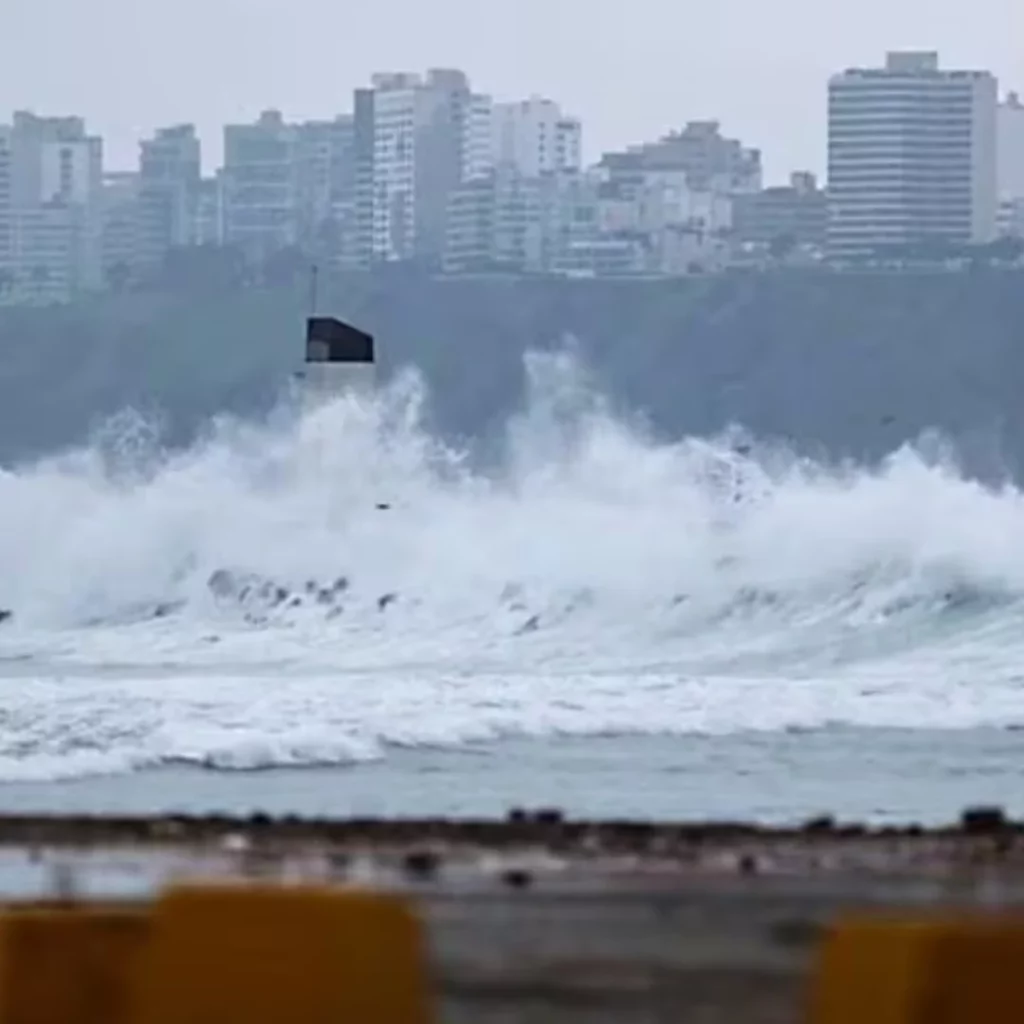
It is activated when a phenomenon occurs that can cause a sudden displacement of large water masseslike: a great magnitude earthquake (usually greater than 7.0) at the bottom of the sea, a Underwater volcanic eruption and a Earth sliding near or inside the ocean.
Alert levels
- Surveillance or notice (Watch): There is a potential risk. The evolution of the waves is monitored.
- Alert (warning): Confirmation that dangerous waves have been generated. Evacuation of coastal areas is recommended.
- Information (Information Statement): There is no immediate threat, but the seismic event is reported.
What should the population do?
Before a tsunami alert people must move away from the coast and Find high areas. Similarly, it is recommended not to use vehicles if there is congestion: Evacuate on foot can be faster.
They must also remain informed through Official sources: Civil Defense, emergency centers, reliable means. And of course, rumors or misinformation should be avoided.
Who emits alerts?
- In the Caribbean and America: the Pacific tsunamis alert (PTWC).
- In Asia: National Seismological Agencies such as the Meteorological Service of Japan or the National Center of China.
- In the Dominican Republic: Emergency Operations Center and the National Institute of Meteorology, in coordination with international organizations.
An early alert can save thousands of livessince Tsunami waves can travel to more than 800 km/h. Even when they seem small, they can penetrate deeply into the mainland and cause destruction.
The memory of the “false tsamot” in the Dominican Republic
In the mid -1990s, a rumor about an imminent tsamot spread rapidly through the Dominican capital and other cities in the country. Although There was never an official earthquake or alertcollective fear caused thousands of people to leave their homes, run to high areas and collapse streets.
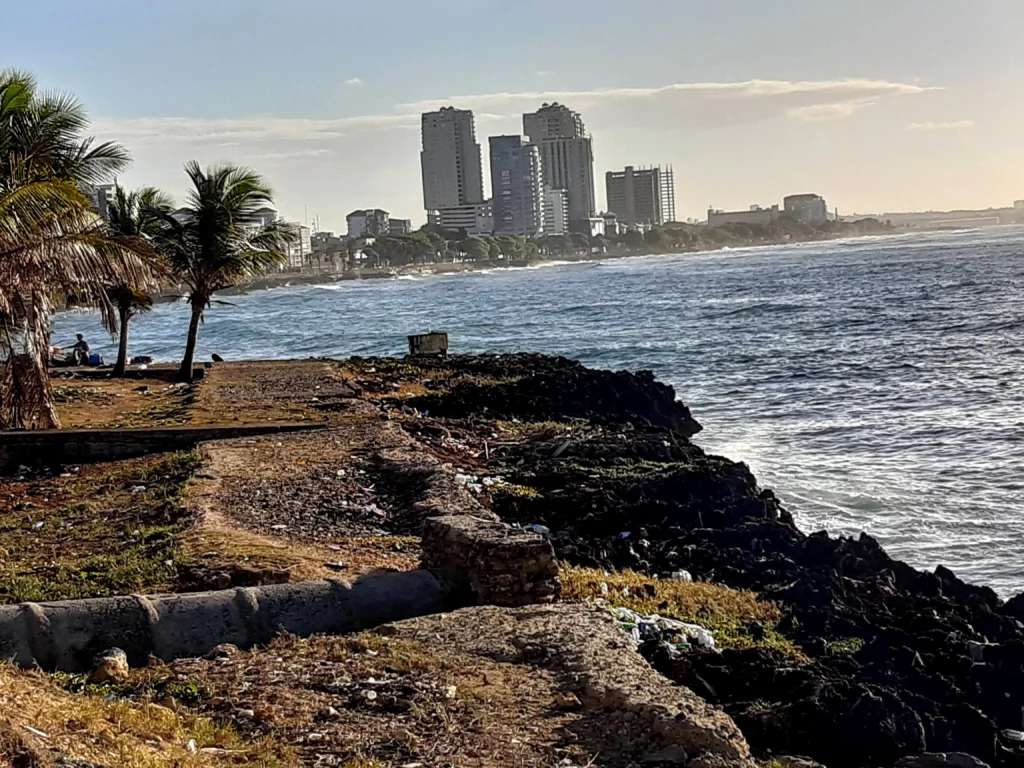
It was one of the most remembered cases of collective psychosis caused by misinformationin a time where social networks did not even exist. What began with a chain of rumors ended up generating stamped, fainting and chaos in streets, schools and offices.
What to do before a real alert?
- Confirm information only with Official sources such as COE, ONAMET, Civil Defense or reliable means.
- Do not disseminate WhatsApp chains or without verifying publications.
- Follow evacuation instructions if the authorities indicate.
- Avoid running towards the coast out of curiosity: the waves of tsunami They can arrive hours later of the seismic event.
Disinformation can also be a public risk. At that time, although technology had not advanced as today with WhatsApp or Social Networks, the rumor spread as a gunpowder. There were no giant waves or a natural catastrophe, but psychological damage, social chaos and mass fear demonstrated how powerful a false alert can be.
A tsunami alert It must be taken seriouslybut it must also be verified Before generating alarm. The episode lived in the 90s in the Dominican Republic is a warning about what can happen when fear is imposed on verified information. Today, more than ever, know When an alert is real and who can issue it It is vital to protect us without panic.
The post What is a tsunami alert and how to distinguish a false? Appeared First On The day.