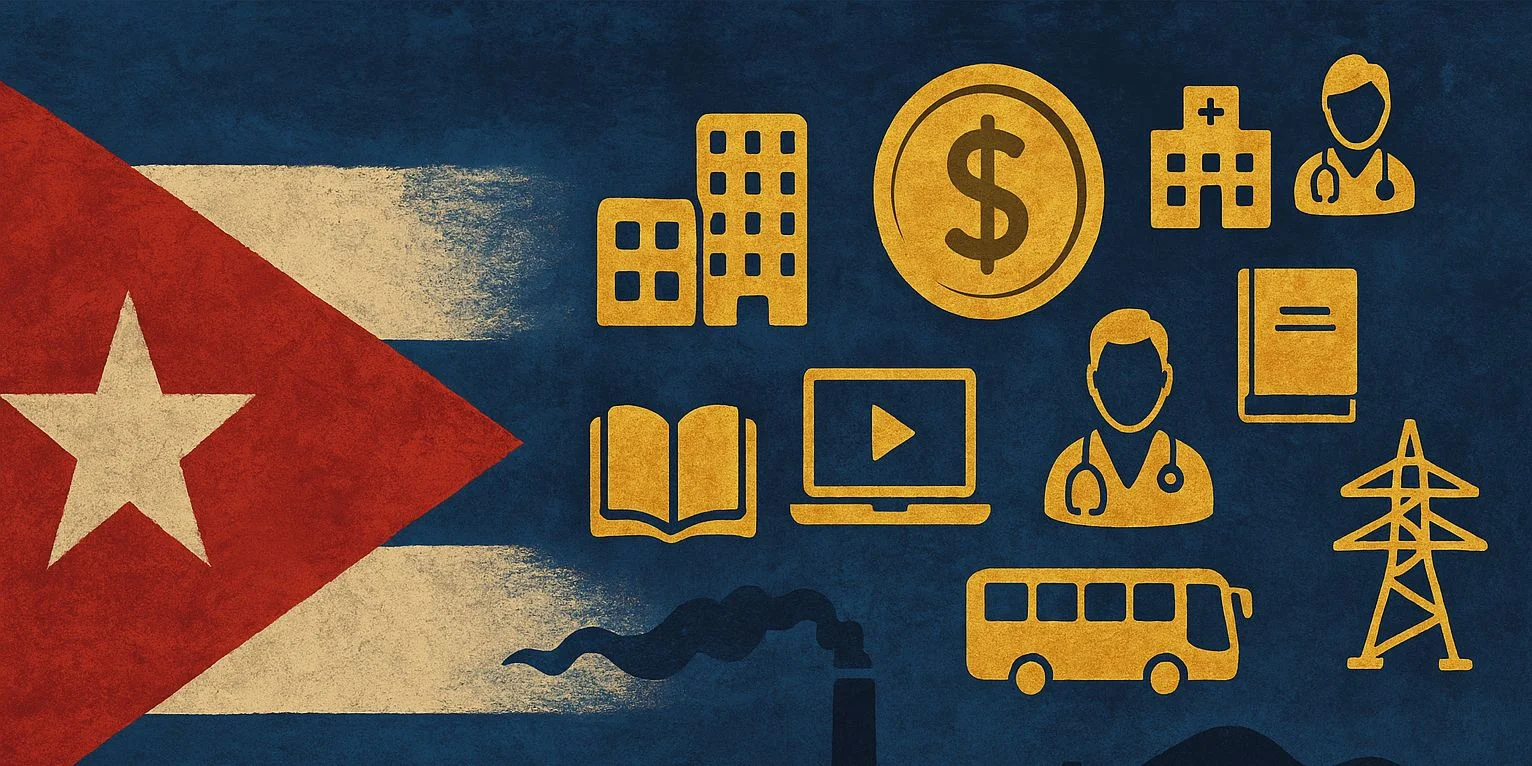
With 18,000 million dollars, without Gaesa or regime, it is much that would change.
Miami, United States. – In the midst of one of the worst humanitarian crises that Cuba has lived since its independence, marked by the shortage of food, medicines and fuel, the military conglomerate Gaesa (SA Business Administration Group), controlled by the Revolutionary Armed Forces (FAR), maintains at least 18,000 million dollars in liquid assets, according to an exclusive investigation published Wednesday by Wednesday by The new herald.
Based on more than 20 filtered internal financial statements, the report shows that, in March 2024, Gaesa accumulated that sum in current assets – the majority deposited in their own or unidentified bank accounts – without evidence that resources are used to mitigate the urgencies of the Cuban population. Meanwhile, the average monthly salary in the state sector is around $ 16, and many retirees survive with just five dollars per month.
Faced with this contrast, the question is inevitable: what could the country do with that money?
From the own data contained in the report of The Heraldthis is what could be financed, according to chatgpt:
1. Cover the 63 scarce priority medications for more than 400 years
The annual cost of guaranteeing the production or importation of these essential medications amounts to 43 million dollars. With the funds that Gaesa possesses, Cuba could guarantee that supply for more than 400 years.
2. Operate and maintain the national electricity network for 72 years
According to the published information, keeping the country’s electrical system in operation costs 250 million dollars a year. With the 18,000 million GAESA could be financed for more than seven decades without the need for cuts, blackouts or collapses.
3. Multiply by more than 10 the public health budget
In 2024, 37.4% of the state investment was allocated to tourism and hotels, while health received a tiny proportion. Only with redirecting a small fraction of the capital of Gaesa could multiply the current health investment more than ten times and reverse the deterioration of the hospital system.
4. Ensure the basic food of the entire population for years
If 2,000 million annually were allocated to the importation of basic foods (a figure higher than the current total), at least nine consecutive years of national supply could be covered, without the need to depend on rations or remittances.
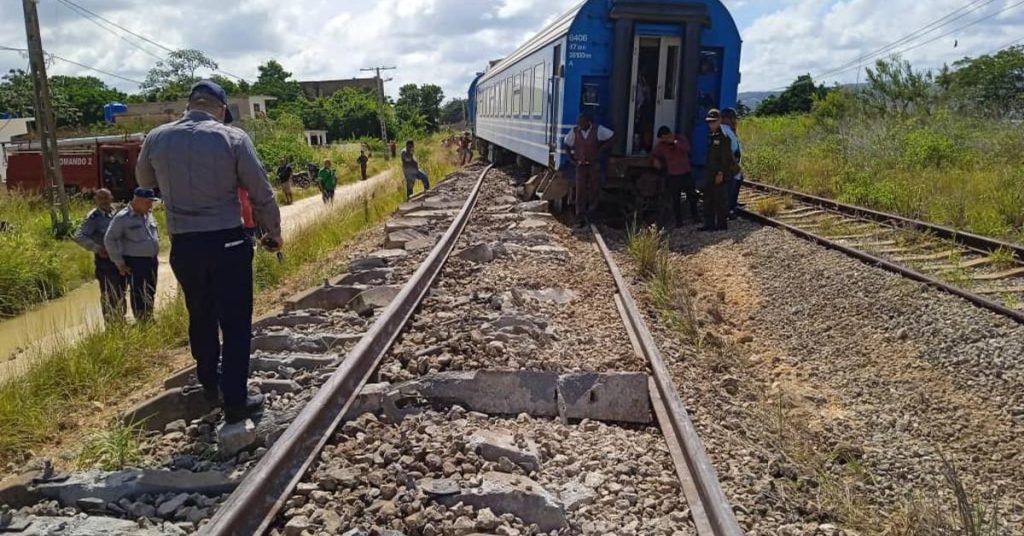
5. Rebuild and modernize the railway and road system
The carelessness of the transport infrastructure is evident. A sustained investment of 500 million dollars annually would allow to modernize the complete rail system and rehabilitate the country’s road network in less than 10 years.
6. Revert the collapse of the telecommunications system
The company Etecsa – Propiety, in part, by Rafin SA, Financial Institution of Gaesa – has increased services while worsens. With less than 5% of the hidden funds, the country could completely renew its digital and mobile telephony infrastructure.
7. Pay back the backward debt
The regime has claimed that it cannot fulfill its financial commitments due to the embargo. However, the funds revealed by The Herald They would be enough to cover expired debt payments several times or renegotiate in better terms.
8. Finance a sustainable economic transition
If it is used with transparency, this capital could serve as a sovereign fund to support a real economic opening, support the private sector and stimulate national production, without depending exclusively on foreign investment or remittances.
9. Remove the blackouts immediately
With 250 million dollars a year – less than 1.5% of the total amount – it would be possible to restore the national electricity service continuously, repair thermoelectric and modernize the energy matrix.
10. Distribute an emergency bonus to the entire population
With 18,000 million dollars, the State could deliver a bonus equivalent to $ 1,636 to each Cuban, assuming that there were still 11 million inhabitants on the island (not anymore). This amount is equivalent to more than eight years of current state salary.
The report of Miami Herald It shows that these figures are not speculative. They are internal data of the GAESA accounting system, reviewed by economists such as Pavel Vidal and Mauricio de Miranda Parrondo, who warned that this military conglomerate acts as “a parallel government” that does not pay accounts to any civil institution.
While the regime blames the embargo on their inability to meet the basic needs of the people, these documents reveal that money does exist, but is under the control of an opaque military elite, not from the State or its citizens.