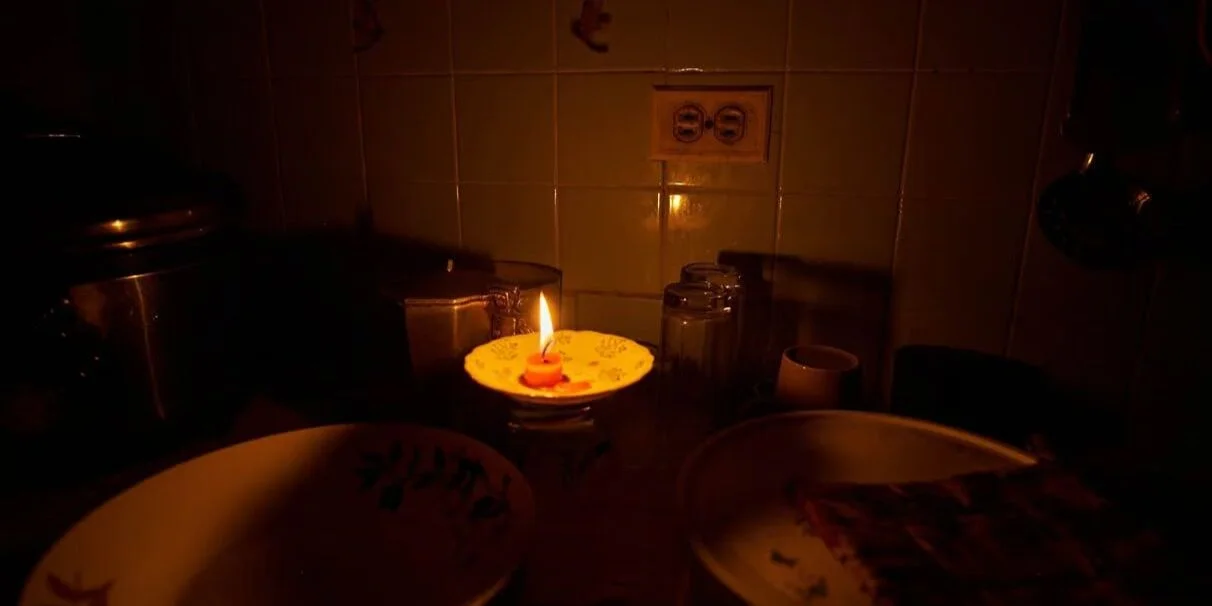
“Electrical genocide”, the new report from the state Unión Eléctrica generated a wave of criticism on social networks.
LIMA, Peru – The Electrical Union (UNE) predicted for this Sunday November 23 that simultaneous blackouts will reach more than 54% of the national territory, with a generation deficit close to 1,665 megawatts (MW) during peak consumption hours.
According to the official report, the maximum capacity planned for peak hours is 1,535 MW, compared to an estimated demand of 3,200 MW, which would leave an impact of 1,735 MW on the electrical system. The company points out that five thermoelectric units remain out of service for maintenance or breakdowns, and that dozens of distributed generation engines remain inactive due to lack of fuel and lubricants.
As usual, the UNE report generated a wave of criticism on social networks, where Cubans expressed their frustration and distrust of the official figures and promises.
“We are an energy calamity for God’s sake,” wrote a user identified as María Elena López Ramírez.
“Electrical genocide,” commented Internet user Alfred Roberball.
“That number is already something normal for you, it’s something natural. Are you going to live like this forever?” questioned Luis Yudier Gutiérrez Martínez, another user.
The crisis, which has already lasted more than five years, hits the eastern provinces hard, where many territories remain without electricity after Hurricane Melissa hit at the end of last October.
A new protest broke out in Mayarí this weekend, Holguín province, where a group of neighbors gathered to demand the restitution of basic services such as water and electricity, absent since the impact of the cyclone.
The demonstration, which took place in the town of Pontezuela, occurred spontaneously with pots and pans and protest slogans, as evidenced videos sent to this newspaper. Among the most heard cries was “We want current!”, which resonated along with other demands.
The images show the growing unrest of a population that has faced prolonged blackouts for several years, in a context of generalized economic crisis.