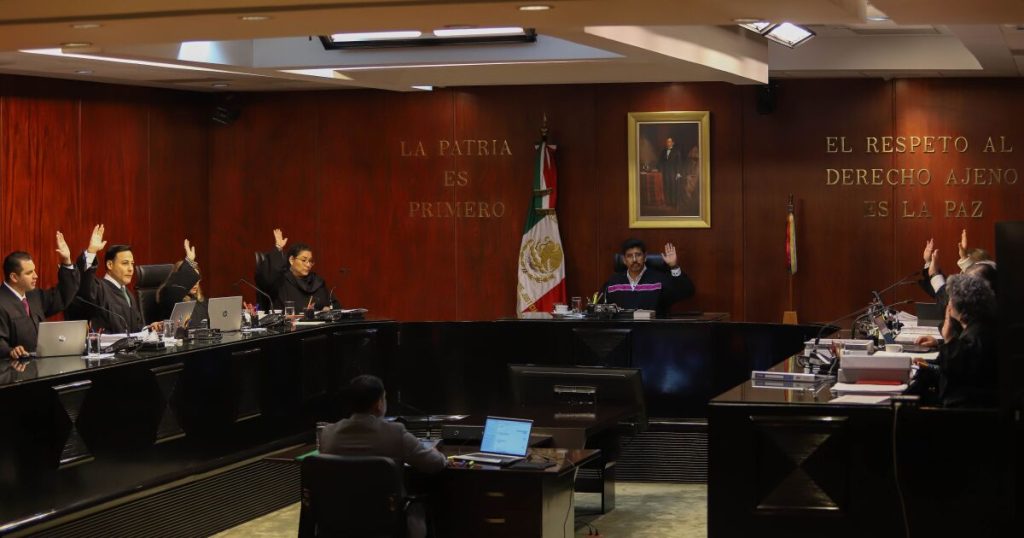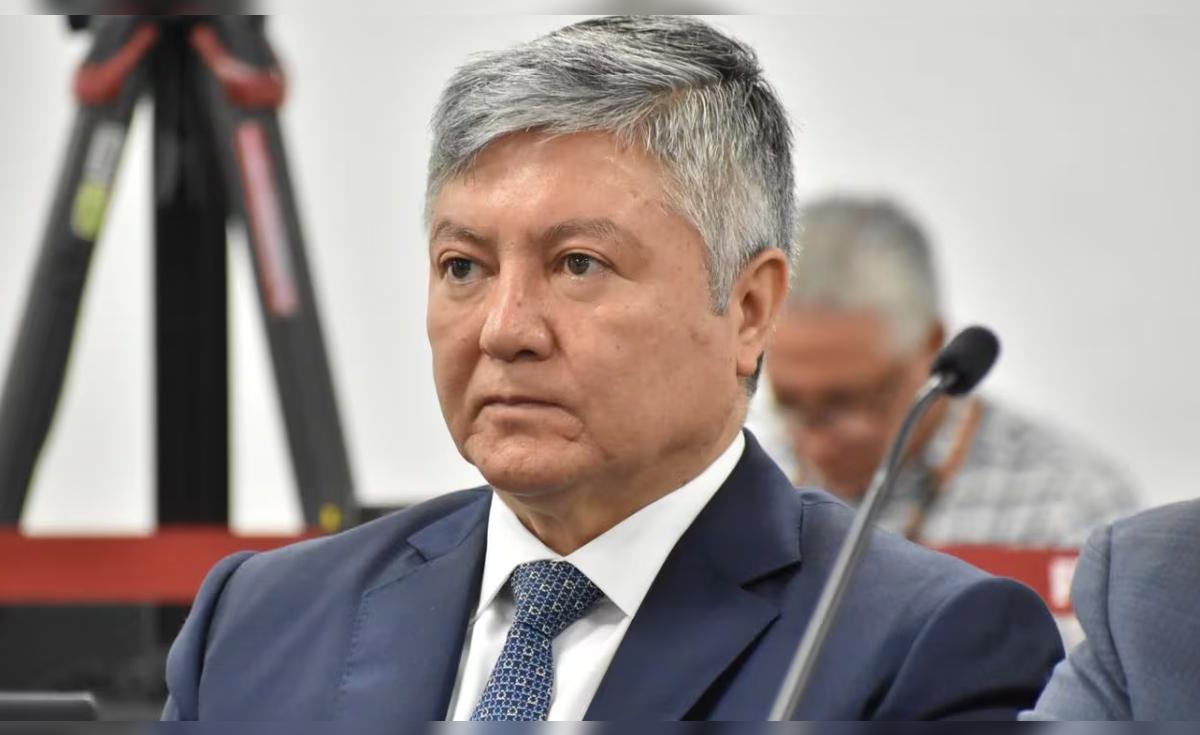
The Attorney General’s Office requested the Constitutional Court (TC), by means of a document, to specify whether the ruling that annuls the investigation against Mateo Castañeda, former lawyer of Dina Boluarteis extended to the others involved in the The Waykis in the Shadow casewhich includes Nicanor Boluarte.
listen to the newsText converted to audio
Artificial intelligence
In the letter, which Infobae accessed, a total of three requests for clarification are made regarding the decision of the highest institutional instance.
WE RECOMMEND YOU
JOSÉ JERÍ PROTECTED BY KEIKO AND POLITICAL PERSECUTIONS | WITHOUT SCRIPT WITH ROSA MARÍA PALACIOS
The first consultation is about whether the annulment of provision 4-2024, dated April 26, 2024; in which it was decided to identify and individualize those investigated for the alleged crime of criminal organization, falls solely on Castañeda Segovia or also on all the others.
The second question is directed at tax file 7-2024 in which all tax acts issued after said provision were declared null and void. The request for clarification is the same: “The nullity of the tax acts issued after the aforementioned tax provision No. 04-2024 falls only on the end of the citizen Mateo Castañeda or also of all the other twenty-four remaining investigated in tax file No. 07-2024 (whose legal situation and/or impact on rights has not been analyzed)?
Finally, ask if the exclusion of prosecutor Carlos Ordaya López as holder of file No. 7-2024 is only for Castañeda or also applies to the other investigations.
Grounds of the TC to exclude Mateo Castañeda from the investigation
One of the central points of the decision is related to the raid carried out on a property linked to Mateo Castaneda. The TC warned that the prosecutor requested the diligence as if it were a common domicile, without specifying that a law firm operated there.
In the file, however, there was documentation that proved that the property was used as a legal office. For the court, this omission prevented the judge from evaluating the request from another, more strict perspective, as required by the Constitution when it comes to spaces protected by professional secrecy.
The other part of the ruling points to the role of the Eficcop prosecutor who was in charge of the case. The TC concluded that said prosecutor investigated facts that, according to the accusation itself, would have had the purpose of hindering an investigation that he himself directed.
Thus, Castañeda was attributed with having tried to neutralize a tax file in which the same prosecutor was responsible. For the court, this situation generates a conflict that compromises the objectivity that is requested of the Prosecutor’s Office.