The aim is to make life easier for people: that when you can go to the supermarket, you can withdraw or deposit this money in cash without the need to wait in line or without the need for you to have to go from the supermarket to a bank.
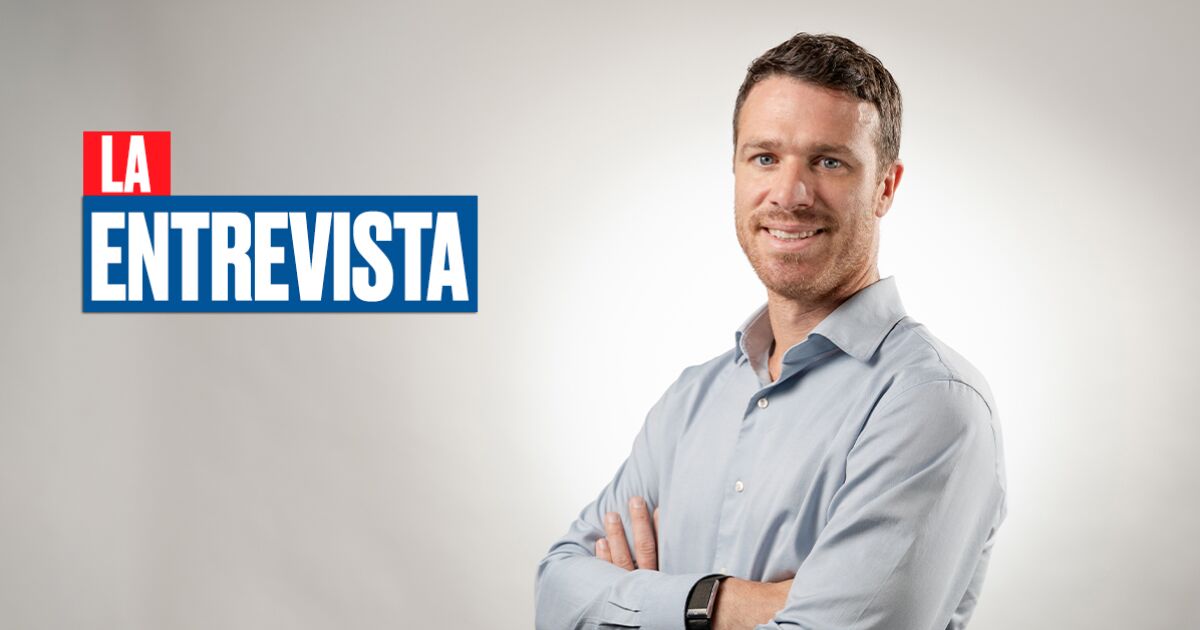
Santiago Benvenuto, Walmart financial solutions leader.
Cashi operates under a fintech figure and makes N2 accounts available to clients, that is, accounts that accept deposits of 3,000 UDIS (approximately 25,000 pesos). The cards are sold in stores, after a partnership with Mastercard for 50 pesos, an amount that is refunded as soon as the customer opens the application, thus generating a reward effect.
With Cashi, people can make transfers and receive remittances; Cash deposits and withdrawals are made at the chain’s stores: Walmart, Walmart Express, Sam’s and Bodega Aurrerá.
60% of consumption, Benvenuto highlighted, is made in cash in Mexico, so this represents a challenge for the financial industry.
The idea is that by knowing how much money they spend in the supermarket, the frequency of purchases, deposits made, service payments, among other variables, the store has more information that allows them to know if that customer is subject to credit.
“Not only does the client know us, but what we are looking for with our benefit programs is to get closer to the client, to know them more to be able to enable them with formal credit tools and to be able to reduce the use of cash,” he said.
Another of Cashi’s main points is that it seeks to reduce the use of cash and wants to add older adults to the ecosystem through incentives: people who pay with Banco del Bienestar cards receive 10% discounts, which motivates users to use plastic; Benvenuto assures that since they offered this discount, the use of these cards in store terminals has increased.
“The value proposition is working at different levels and strata of society,” he said.
People who collect their remittances in stores also receive a 10% discount on their purchases, which allows them to capture a certain percentage of that money.
For people who want to pay for their services, they can do so in the application, saving the commissions that are traditionally charged at the tills. In this way, the manager considers that he is gaining ground on the accounts with returns that have become popular in the last three years.
“The majority of the Mexican population does not have the money to leave it immobilized, so what has to happen is that they can get the most out of it,” he added.
On the credit side, the store chain signed alliances with different partners such as Creditea, Invex or Aplazo so that customers can make purchases on credit in their physical and online stores.
The information they collect from customers allows them to offer credits that fit the customers’ profile.
Stores like new banks
Analyzing customer transactional information is not new. A couple of years ago, Oxxo had launched a loyalty plan strategy so that customers would receive points on every purchase.
Later, Spin was launched, the solution that could compete with Cashi, and with which FEMSA sought a license to operate as a bank but in recent weeks, the company said it would delay the application for this license to carry out a more detailed analysis of the credit sector.
Oxxo is the first largest retail store chain in the country with 24,057 branches; The figure is higher than the 3,200 stores that Walmart has. Tiendas 3B is the third largest chain with 3,162 stores.