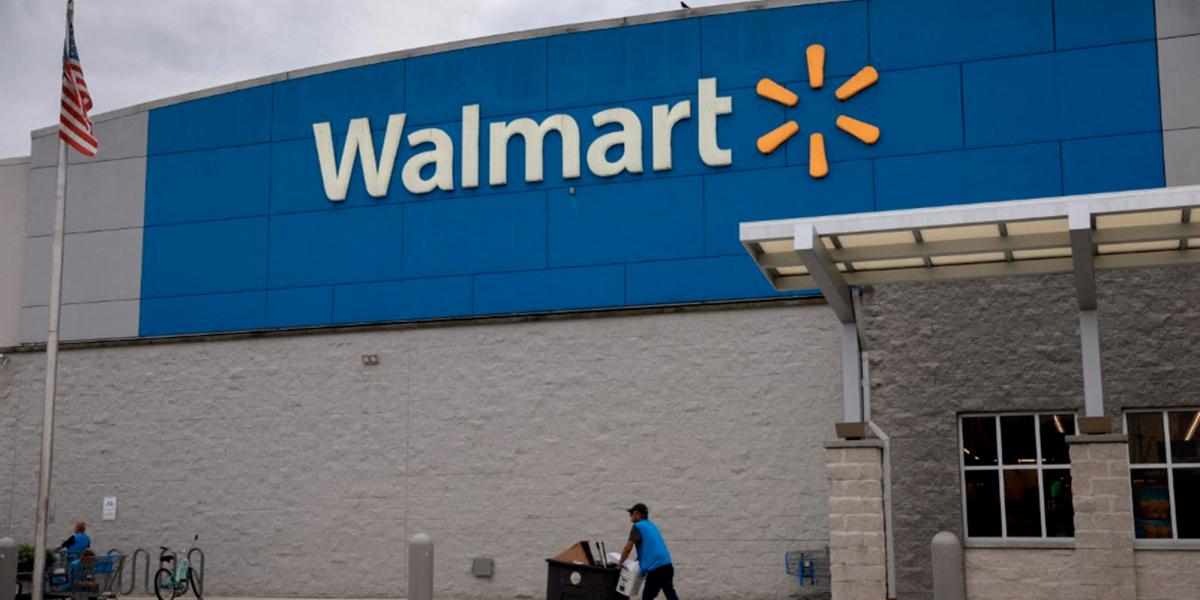
Walmart This Tuesday, it became the first retailer to reach a market value of 1 trillion dollars, after a rise of almost 26% in its share price over the course of a year, which places it on par with technology giants such as Nvidia and Alphabet.
The Bentonville, Arkansas-based chain has capitalized on wealthier consumers choosing the convenience of faster delivery and flocking to the retailer to purchase discretionary items, such as clothing and furniture.
In the last decade, the Walmart stock They are up 468%, compared to the S&P 500 index’s 264% rise.
The American homesparticularly those with low and middle incomes, have long been under increasing financial pressure due to persistent inflation and a cooling labor market. The duty and uncertainty surrounding the recent US government shutdown have also weighed on spending.
The company’s latest milestone came just two weeks after Walmart replaced the British pharmaceutical company AstraZeneca in the Nasdaq-100 index, focused on technology and grouping the most valuable non-financial companies.
The company has banked on artificial intelligence, investing billions in automating its supply chain to help stock its stores with fresher products and improve delivery times, as consumers increasingly prefer the convenience of shopping for groceries online.
“They’ve gone from just being the local retailer with good prices to really embracing technology. It’s been a massive digital transformation that this company has gone through in the last five years,” said Eric Clark, chief investment officer at Accuvest Global Advisors.
Walmart joins a list of U.S. companies valued at $1 trillion or more, including:
- Nvidia with 4.5 billion dollars
- Alphabet with 4.1 billion dollars
- Apple with 3.9 billion dollars
- Microsoft with 3.1 billion dollars
- amazon with 2.6 billion dollars
- Goal with 1.8 billion dollars
- Broadcom with 1.6 billion dollars
- tesla with 1.6 billion dollars
- Berkshire Hathaway 1 billion dollars
Walmart is becoming “the new AI giant” thanks to how effectively it is integrating technology into its operations, from reducing the cost of products to capturing a greater share of consumer spending, according to Brian Mulberry, senior client portfolio manager at Zacks Investment Management.