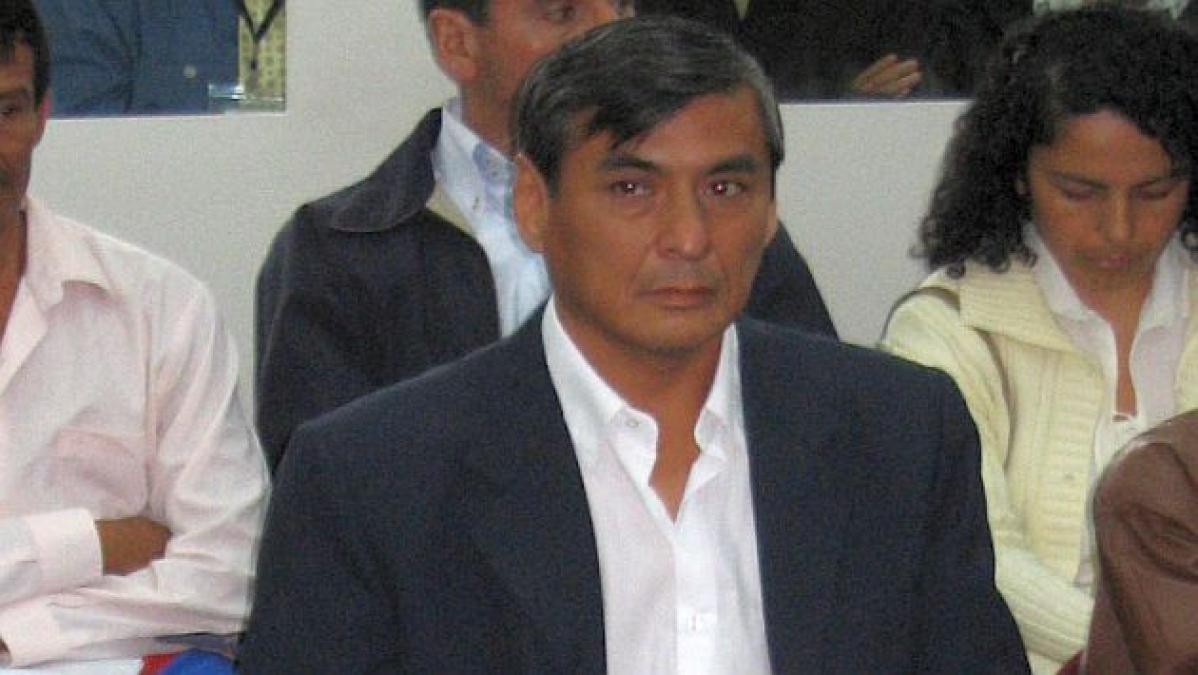
The historian Antonio Zapata criticizes the censorship of the book of Victor Polay in the FIL. Zapata argues that no one has censored the books of the other protagonists of what he calls “the three cycles of political violence: the aprista (1930-1948), the guerrilla (60) and that of Path-Mrta (1980-1992).” What the historian and the left in general do not understand is that they are very different cycles from each other, almost incomparable. While the APRA opposed a military veto, claiming free elections, path and MRTA rose against a democratic government, proposing the armed struggle. Burning amphorae is the opposite of calling elections. And killing pedradas to Quechua -speaking civilians and Andean women is also the opposite of taking a military barracks or planning a tyrant’s assassination. Because Sánchez Cerro, Benavides and Odría were dictators, unlike Democrats Belaunde and García. There is also a big difference between persecution of political prisoners in the 30, imprisoned without judgments, in pre-Cidh times, and the firm sentences that hikers have, who do not hesitate to claim for their human rights.
No one has forbidden Victor Polay to publish books. In addition, there can be no censorship of a book that has already been published several times and that can be read for free on the Internet. There is no censorship, but there is also no discussion. Because the bourgeois and complex left does not confront or question the narrative of Polay, but it does not have the courage to say that it thinks the same, which coincides and that, very deep down, admires it because he did commanded, he did dare to bring to praxis what for them was pure theory. That left prefers to hide after large phrases such as “tolerance”, “discussion of ideas” and “freedom of expression”, which are actually the last thing that matters to all this topic.
Receive your Peru21 by email or by WhatsApp. Subscribe to our enriched digital newspaper. Take advantage of discounts.
Recommended video