Cuba recognized this Wednesday an “increase in all the country’s territories” in cases of dengue, chikungunya and oropouche, three diseases transmitted by insects that are rebounding strongly on the island due to the combination of weather conditions and the economic crisis.
In statements to state television, the Vice Minister of Public Health, Carilda Peña, stated that in the last week alone the health system detected 13,071 febrile cases, possibly related – due to the symptoms – with one of the three diseases, which represents about 0.14% of the total population.
He added that there were up to seven new patients in critical condition, although the current figure is only one. Peña did not provide total data on patients despite the fact that the outbreak has been going on for weeks.
However, this is the first time that health authorities have released numbers of infected people in the current outbreak, coinciding with a greater social debate on the topic.
In the case of dengue, the official stated that on the island there is an incidence of positive cases of 24.3 per 100 thousand inhabitants. This means that in the country, of 9.7 million inhabitants, there are about 2,360 affected by this disease.
He also warned that there is a predominance of dengue serotype 4, which is more likely to become hemorrhagic (and also fatal) if the infected person has already had the disease with another strain. “We are prepared to attend,” he assured.
According to authorities, in 2025 three people diagnosed with dengue have died.
Currently, according to the Vice Minister of Health, chikungunya circulates in 12 of the 15 provinces of Cuba.
Peña did not share the circulation data for dengue and oropouche.
Last week he stated that these were present in twelve of the fifteen territories. These figures are not prone to sudden fluctuations.
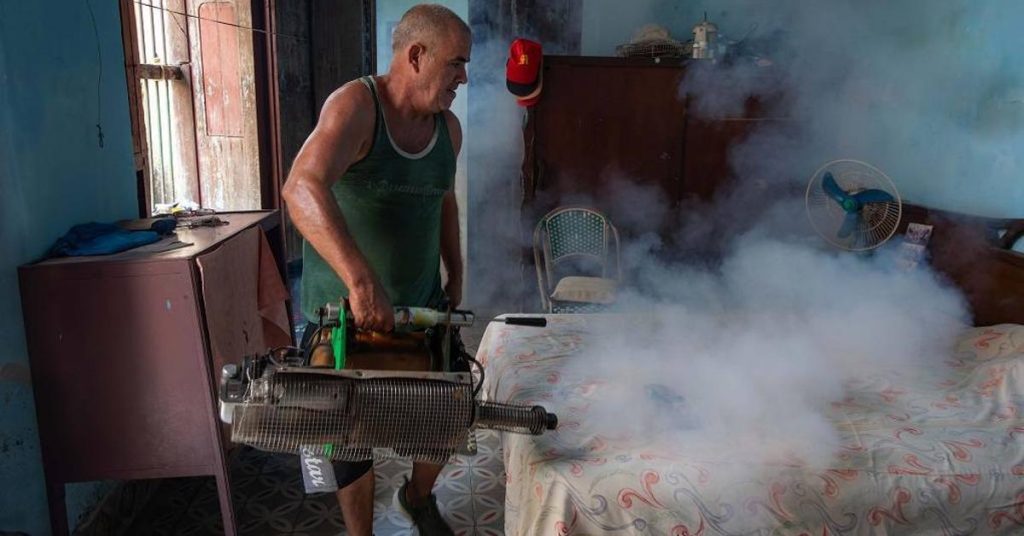
The vice minister announced that “in around 15 to 20 days” the Government will deploy fumigation cars “in the places most affected.”
The increase in these diseases occurs in the midst of a deep economic crisis, which is reflected in prolonged daily blackouts, irregularities in the water supply, scarce public transportation and the partial dollarization of the economy.
This situation directly affects the spread of the insects that transmit these diseases, because, due to lack of fuel – the State does not have foreign currency to import it – fumigations have been reduced and garbage, which accumulates for days in the streets, is not collected frequently.
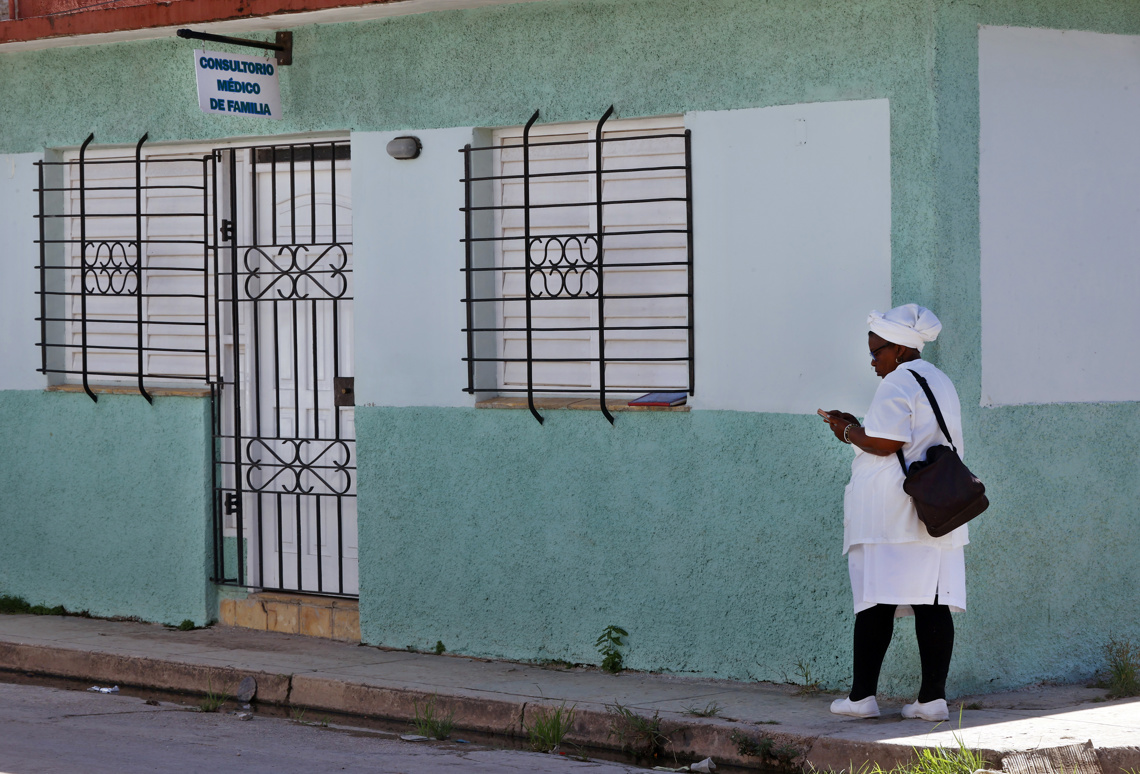
The real figures are difficult to estimate because many Cuban medical centers do not have the tests to determine the type of virus and because many Cubans do not go to hospitals due to the deterioration of health services and the lack of medicines, such as could check EFE last week in Matanzasone of the most affected provinces.
The US Centers for Disease Control and Prevention (CDC) issued a travel alert update at the end of September due to the presence of chikungunya in Cuba.
According to statistics from the Pan American Health Organization (PAHO), in the last decade, Cuba has reported more than 3 thousand cases of dengue in two different years.