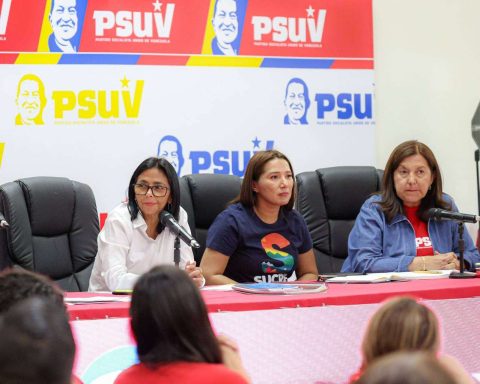
Amid the expectations generated by the increase in oil income, the Venezuelan Federation of Nursing Colleges sent a public letter to the president in charge, Delcy Rodríguez, on January 16, 2026, in which she requests a response and an action plan against the salary and labor crisis that the sector is going through.
The document exposes the deterioration of working conditions in the health system and calls for the opening of spaces for dialogue, as well as the adoption of concrete measures that guarantee the continuity and quality of care for the population.
The claim occurs days before the announcement made on January 20, 2026, when Rodríguez reported that of the first US$500 million obtained from the sale of oil, US$300 million had already been received, resources that, according to him, will be used to stabilize the exchange market and protect the purchasing power of workers. For the union, these funds must translate into real salary improvements and decent working conditions within the health system.
In Venezuela, the minimum wage for health workers, like that of the rest of the employees, has remained at 130 bolivars since March 2022. This is equivalent to less than a dollar per month, according to the official exchange rate of the Central Bank of Venezuela.
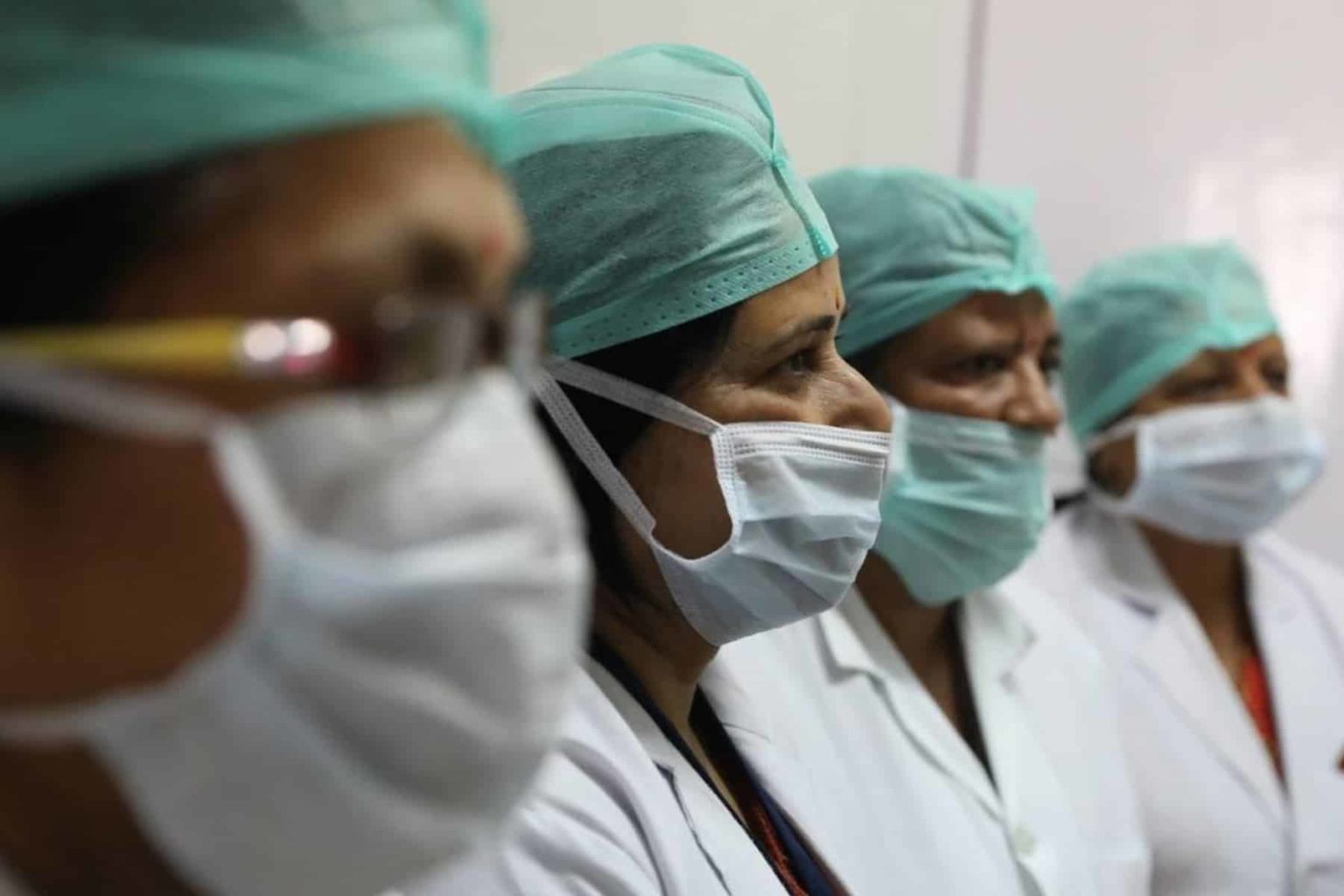
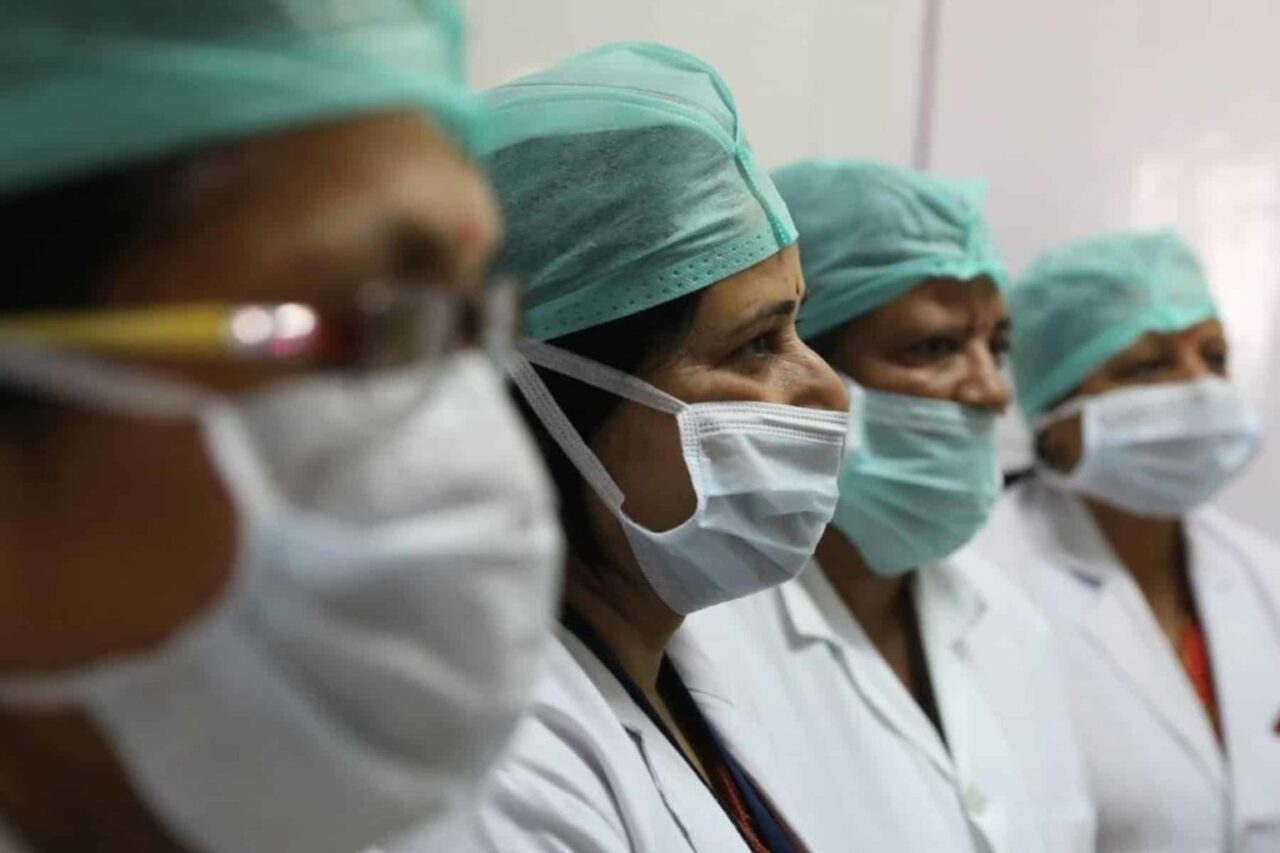
In an interview with El Nacional, the vice president of the Federation, Dr. Nelson López, stated that the base salary of nursing staff has not been adjusted in years. Instead, he explained, the State has granted bonuses and extraordinary payments that are not incorporated into social benefits or affect benefits such as vacations or retirement, in addition to being delivered irregularly. López warned that this situation has deteriorated the quality of life of nurses, and that the lack of conditions has caused emigration and abandonment of the profession. “There is no public health system without nurses,” he said.
The Federation proposes a base salary of between $800 and $1,500 per month, depending on experience and specialization, and estimates that the country will need more than 80,000 nursing professionals to strengthen the system. In that sense, they hope that those who emigrated return when decent working and salary conditions exist.
In a country where the health system is going through a deep crisis, the testimony of nursing staff is key to understanding the daily reality of those who support health care.
A graduate in Nursing, graduated from the University of Carabobo and with experience in neonatology and the operating room, she currently works at the Dr. José María Vargas Maternal and Child Hospital, in Valencia. On condition of anonymity for security reasons, he describes a work environment marked by staff shortages, work overload, and a lack of supplies. “The minimum wage is not enough to cover daily expenses,” he says, and warns that the precariousness of resources limits care and puts the safety of patients and workers at risk. Although he has considered emigrating, he insists that what is urgent is to guarantee decent salaries, greater staffing and better working conditions. “We are the ones who take care of the people at all times, but in recent years we have not been valued,” he concludes.
For her part, Yerika León, a nurse trained at the Territorial Polytechnic University of Mérida Kléber Ramírez (UPTM), worked in the Rural Outpatient area and is currently unemployed for political reasons. He relates that, despite having provided services in his community, he only obtained a temporary contract that was not renewed due to the political position of his father, identified as an opponent. Despite the difficulties, León assures that he is not contemplating emigrating. His aspiration is to remain in Venezuela and contribute from his profession.
It demands fair salaries, sufficient resources, job security and institutional respect, as well as that nursing be valued without political discrimination. “Health is a right, not a political favor,” he emphasizes.
From exile, a nursing graduate from the University of Los Andes stated that mass migration is due to insufficient salaries and humiliating treatment by the State. However, he assured that many professionals would be willing to return if working conditions and fundamental freedoms are respected.
He United Nations Development Program (UNDP) defines extreme poverty as living on less than $2.15 a day, which is equivalent to $65.65 a month. This parameter contrasts with current salaries in the health sector, which remain below that threshold.
Furthermore, the World Health Organization (WHO) warns that the remuneration insufficient constitutes a psychosocial risk in the work environment and can affect the mental health of workers, which further aggravates the crisis in the health system.
Year after year, health sector workers have expressed their concern about working conditions and have requested improvements, without – they say – they have received satisfactory responses.
In this context, unions and unions have reported that some professionals have been detained or sanctioned for political reasons. The release of two workers in the sector was recently announced: the president of Nursing of the state of Barinas, Yanny González, detained on July 22, 2025, and the Portuguesa state nurse, Dinora Rodríguez, arrested on January 8, 2025. The unions consider these cases as examples of violation of human rights.
The letter seeks to open a channel of dialogue with the authorities to guarantee fair salaries, supplies and job security, essential elements to sustain a functional health system for the benefit of the population.
Article written by Rosange Mendoza for The National