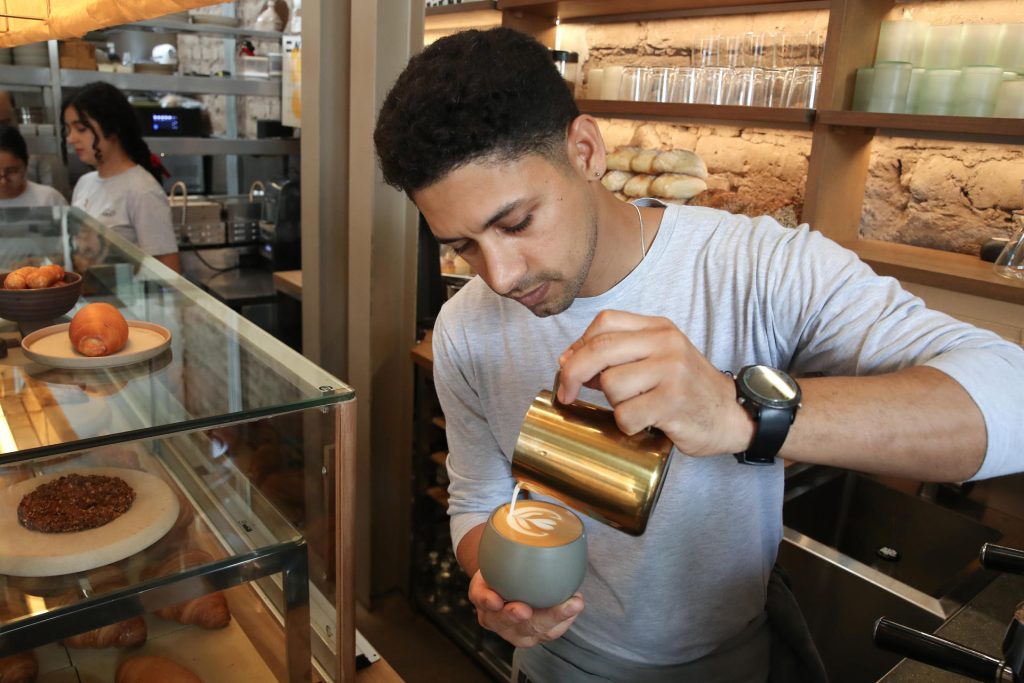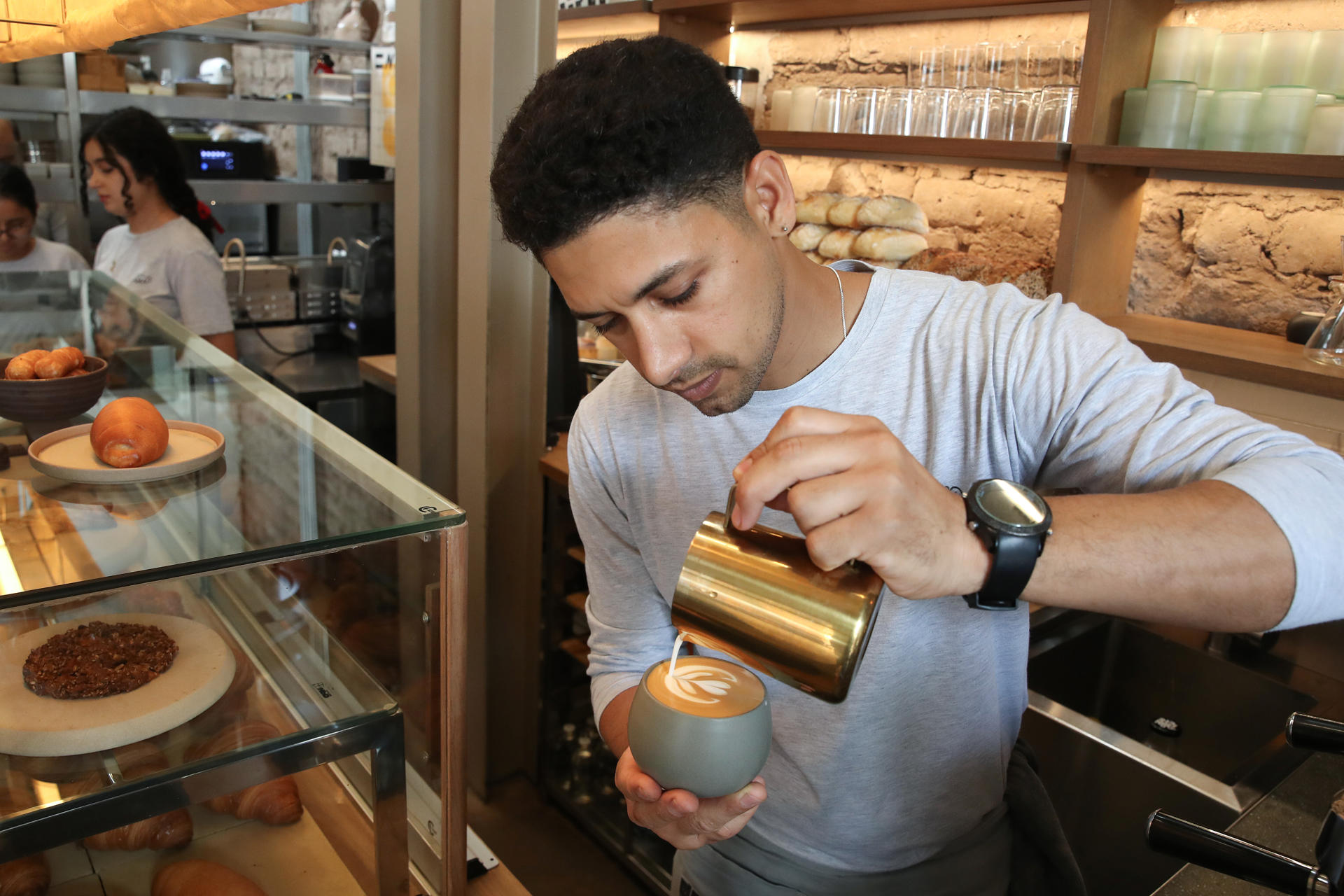
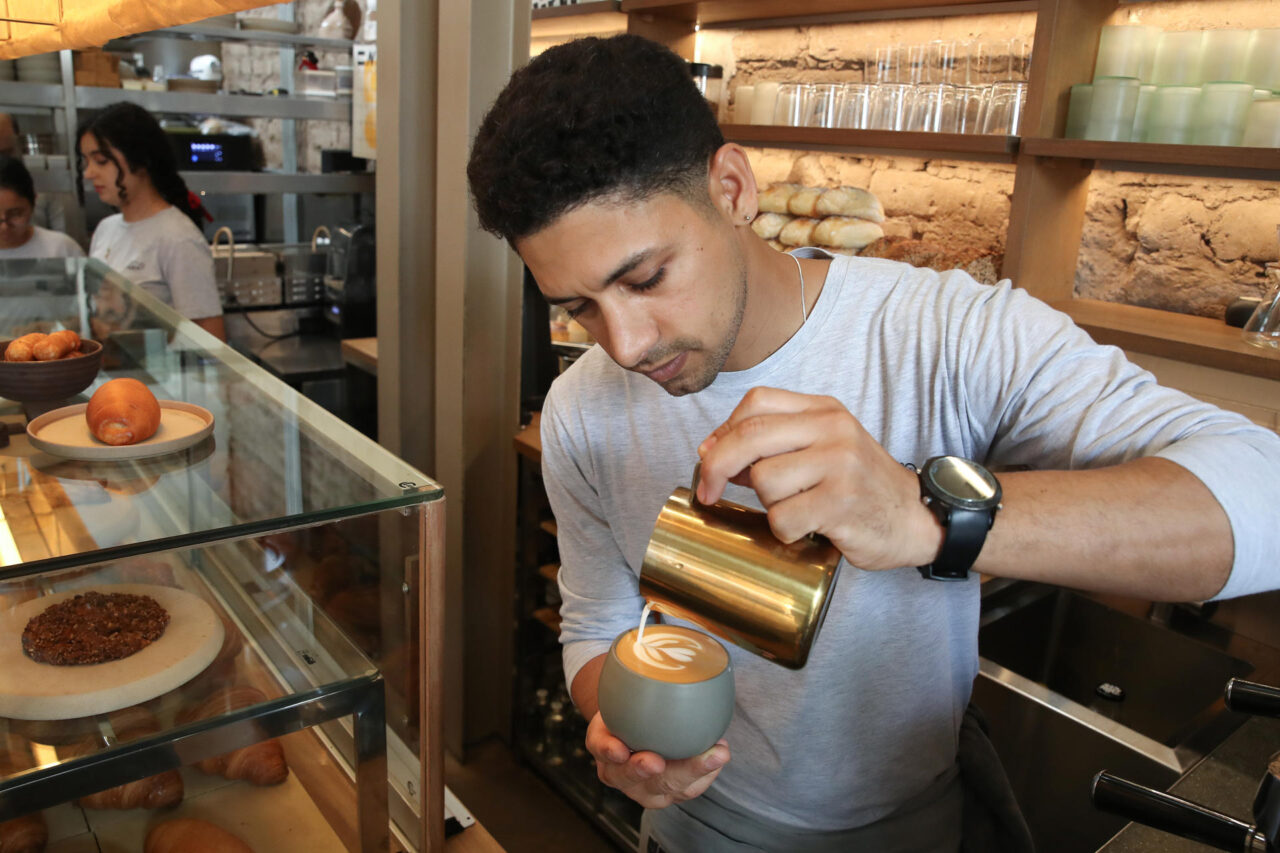
One of the trendy cafes in Lima, considered gastronomic capital of Latin Americatriumphs with cheese cachapas, arepas and guava breada clue that Venezuelan food is already part of the renowned Peruvian gastronomyshaped thanks to a series of fusions of products from different waves of Venezuelan migration that arrived in Peru.
“The arepa is one of those preparations that very few don’t like. It is very noble and accepts whatever you put there. I think that has won the hearts of Peruvians“, tells EFE the Venezuelan chef Juan Luis Martínez, who runs Mérito, one of the most recognized restaurants in Lima, where combines the cuisine of Peru with that of Venezuela.
In addition to Merit, which occupies the 26th place on the list of the 50 best restaurants in the world and fourth in Latin AmericaMartínez runs Demo, a stylish all-day cafe where a mostly Venezuelan team feels at home serving many traditional dishes from your country.
After the massive arrival of Venezuelans to Peru, especially in 2018, he comments that xenophobia has been overcome and now you breathe one “new stage” for the more than 1.6 million Venezuelans who live in the country.
Arepas, cachapas and sweets
Now they can be found in Lima arepa flour, typical sweets and hand cheesewhich was previously impossible to obtain.
So, Venezuelan recipes have found a place in bars, cafes, restaurants and street stallsas if some streets in Lima were transformed into Caracas.
“It feels very good that when you see Peruvians, Americans and Europeans at Demo, the first thing they order is the cachapa (…) and then they come back or order one after the other,” says Martínez, underlining the emotional and cultural impact of these flavors.
Flavors that harmonize
Juan Romero, head chef at Demo, arrived in 2018 when Venezuelan cuisine was a great unknown in the Peruvian capital.
“We made cachapas, Benedictine arepas and the people were delighted,” he says, adding that they expanded the bakery with Venezuelan small pieces and mini lunches.
He remembers with emotion the Christmas in which they prepared ham bread: “I have never seen so many Venezuelans (…) people came for two, for four.”
Today, although people from various countries come, the majority are Venezuelans looking to reconnect with their gastronomycreating an environment that they describe as “very nice.”
Fusion with value
Martínez is also working on the merger in Mérito and Clon, where he incorporates guasacaca and arepas in Peruvian dishes like ceviche or bread with pejerrey.
“This merger has a very important value and impact in this new stage of Peru,” he says, recalling that Migration is one of the key ingredients of Peruvian gastronomyhistorically enriched by Spanish, African, Chinese, Japanese and Italian influences.
In that tradition of mixing and welcoming, Venezuelan cuisine is no longer foreign: it is part of the new flavor of Peru.