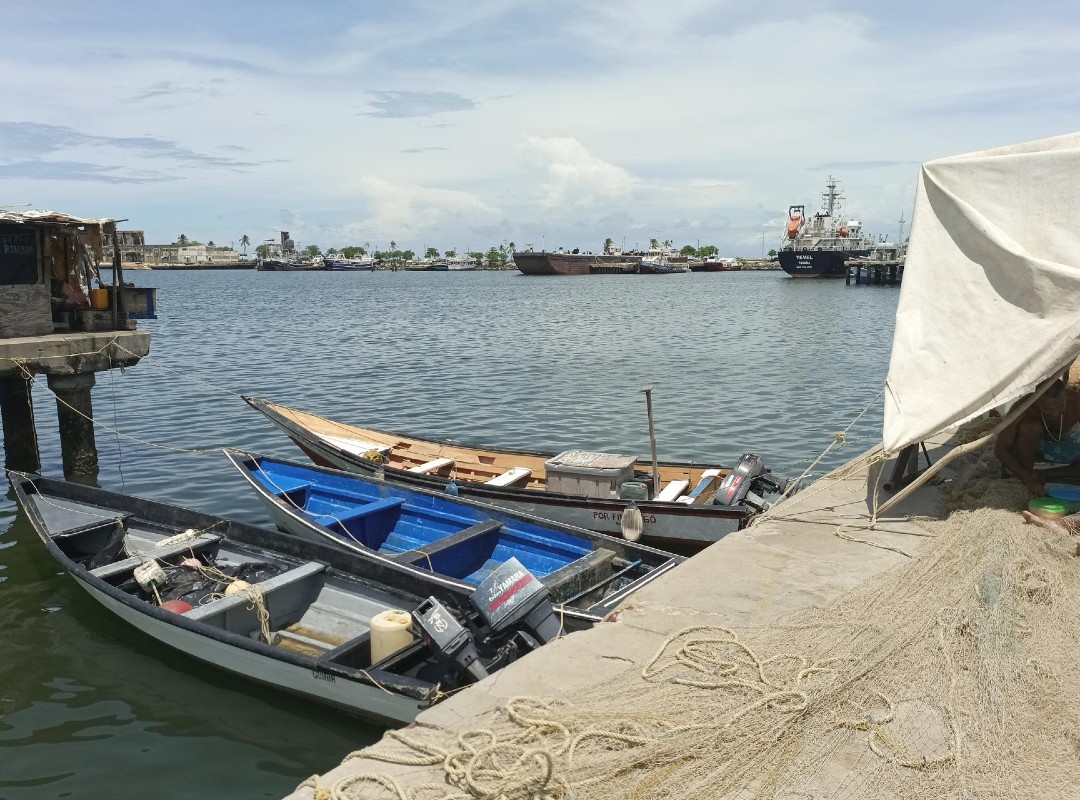
Güiria and Cumaná are two fishing towns in the Venezuelan state of Sucre separated by just 262 kilometers, but, Despite the short distance that separates them, the perception of fear is not the same in both places. Furthermore, the economic dynamics have been affected in different ways after the US naval deployment in the Caribbeannear the Venezuelan coast.
In Güiria, American vessels have generated fear and modified the local economy, according to fishermen and merchants consulted by EFE. While in Cumaná they say that their work has been damaged, but due to lack of gasoline.
Since last September 2, when the first attack by the United States on a boat in the Caribbean Sea became known, under the argument of fighting drug trafficking, Güiria began to suffer in its economic activity. Information not confirmed by the authorities indicated that at least three of the eleven killed in that explosion were residents of that community.
Fishermen worried about attacks in the Caribbean
The informal trade of products such as food, clothing and footwear is paralyzed by the fear of locals to leave by boat for Trinidad and Tobago. This has decreased the income of foreign currency to this area.
“Boats are no longer leaving for Trinidad, not even for migrants. There is fear that an explosion will occur and they will die,” commented a merchant on condition of anonymity.
Migration has been common for years to the island, located just eleven kilometers from the nearest coast of Venezuela. Residents of Güiria assured EFE that, before September 2025, around six vessels sailed weekly to Trinidad and Tobago. However, in the last two months that number has dropped to zero.
The stoppage of the sailing is unprecedented in Güiria, since the boat traffic was maintained even after a shipwreck that occurred in December 2020, in which 33 people lost their lives and eight were missing, all apparently migrants.
After the United States attack last September, they report a greater presence of police and military agents in that population. One local even claimed to have identified officials dressed in civilian clothes.
This person attested that in the town it is known that between fifteen and twenty of the fatalities in United States attacks against boats are from Güiria and nearby towns, but they avoid making public comments for fear of reprisals.
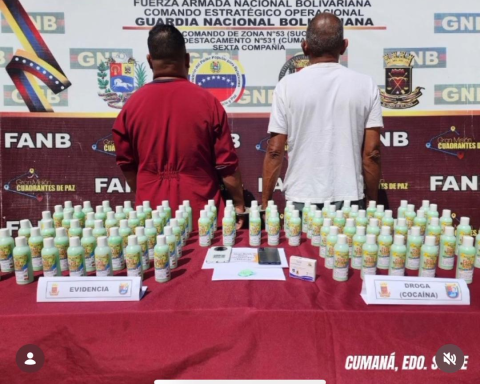
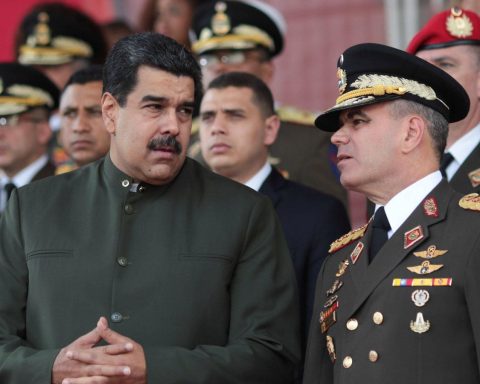
Last month, numerous boatmen joined military exercises carried out at sea by the Bolivarian National Armed Forces (FANB), in response to the US mobilization, which this week included military exercises with Trinidad and Tobago rejected by Caracas.
On September 13, Venezuelan Foreign Minister Yván Gil denounced that a United States “destroyer” had boarded, one day before and for eight hours, a boat with nine fishermen that was in Venezuelan waters, “48 nautical miles from the island of La Blanquilla,” located north of the Margarita island territory.
Without fear of fishing
In Cumaná, the capital of Sucre, the situation is different. Several fishermen consulted by EFE say they are not afraid of the United States naval deployment to carry out their work, but said that their activities have been affected by the lack of gasoline, the deterioration of the engines of their boats and the absence of credits – available until 2013, as they remember – to make repairs.
Although the government provides subsidized fuel for boaters, the fishermen said, it only does this once every month and a half or two months. Furthermore, they assured that the amount they are supplied is only enough for two days of work, when they work between fifteen and twenty days a month.
Therefore, the fishermen also said on condition of anonymity that they buy dollarized gasoline -0.50 cents per liter, the regular price in the country. They have had to change their way of working to save fuel; some make longer trips at sea depending on the product they are looking for.
A fisherman told EFE that for each day of work he earns between ten and fifteen dollars and he goes fishing three times a week, so he earns around forty dollars a week. Likewise, he pointed out that you should invest around forty dollars for sixty liters of gasoline for three or four days of fishing.
So this worker, like others, bets on good fishing days, when he finds more expensive products, such as tuna and lobster.
“From an economic point of view it is not profitable. Because fishing is an adventure. If you work twenty days a month, of those only five or seven days are effective fishing days. The fisherman goes out to work trusting that he will find bread,” a second boatman, who preferred not to give his name, told EFE.