In a move that reinforces the current geopolitical situation, the Government of the Bolivarian Republic of Venezuela has consolidated high-level diplomatic support from the Republic of Belarus.
The Venezuelan Foreign Minister, Yván Gil, held an extensive telephone conversation with his Belarusian counterpart, Maksim Ryzhenkov, with the aim of coordinating a common position against the escalation of “warlike actions” by the United States in the Caribbean region.
During the exchange, both diplomats denounced the recent US military deployment, which has escalated following the order to block oil tankers linked to the South American nation.
In this regard, Foreign Minister Gil stated that he received firm support from Belarus and a categorical rejection of Washington’s attempts to suffocate Venezuelan energy trade, agreeing with Ryzhenkov that these maneuvers represent a flagrant violation of the United Nations Charter and the universal principles of free trade and navigation.
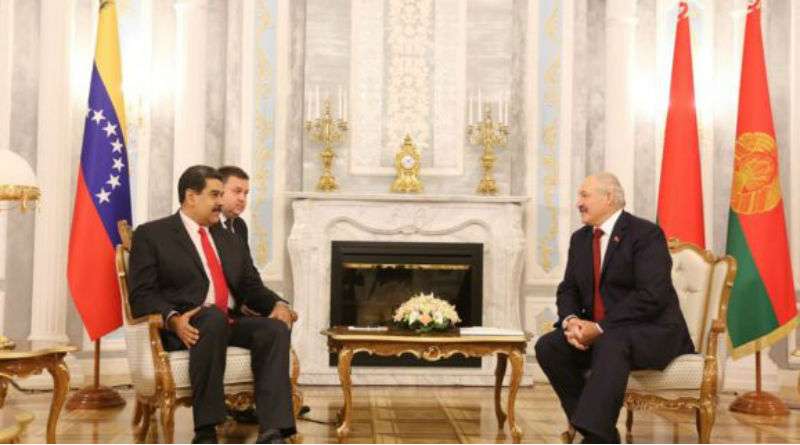
This diplomatic approach is supported by the forceful statements of the Belarusian president, Alexandr Lukashenko, who has sent a direct warning to the US administration.
The Belarusian president was emphatic in pointing out that any attempt at military aggression against Venezuelan soil would not only be a strategic error, but would inevitably become a “second Vietnam” for the United States. According to Lukashenko, the determination of the Venezuelan people and their internal cohesion would make an armed intervention a scenario of defeat and stagnation for foreign forces.
Maduro, a man of steel
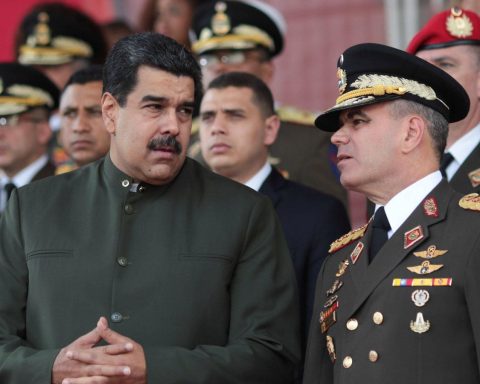
Likewise, Lukashenko took the opportunity to express words of deep praise and recognition towards President Nicolás Maduro, whom he described as an unwavering leader and a statesman of great mettle.
The Belarusian leader highlighted the “decency and good sense” of his Venezuelan counterpart, describing him as a “man of steel” who has managed to maintain the course of his nation in the face of the most severe external pressures. This personal and political affinity between both leaders seals an alliance that Minsk considers a priority in its foreign policy towards Latin America.
Finally, the Venezuelan diplomatic offensive was extended during the day to other strategic allies in the Global South. Foreign Minister Gil maintained similar communications with his counterparts from Mali and South Africa, Abdoulaye Diop and Ronald Lamola, respectively.
In these dialogues, not only the political and social situation of these African nations was addressed, but also the growing shared concern about the militarization of the Caribbean, reaffirming a common front in defense of the sovereignty and self-determination of the peoples against Western powers.