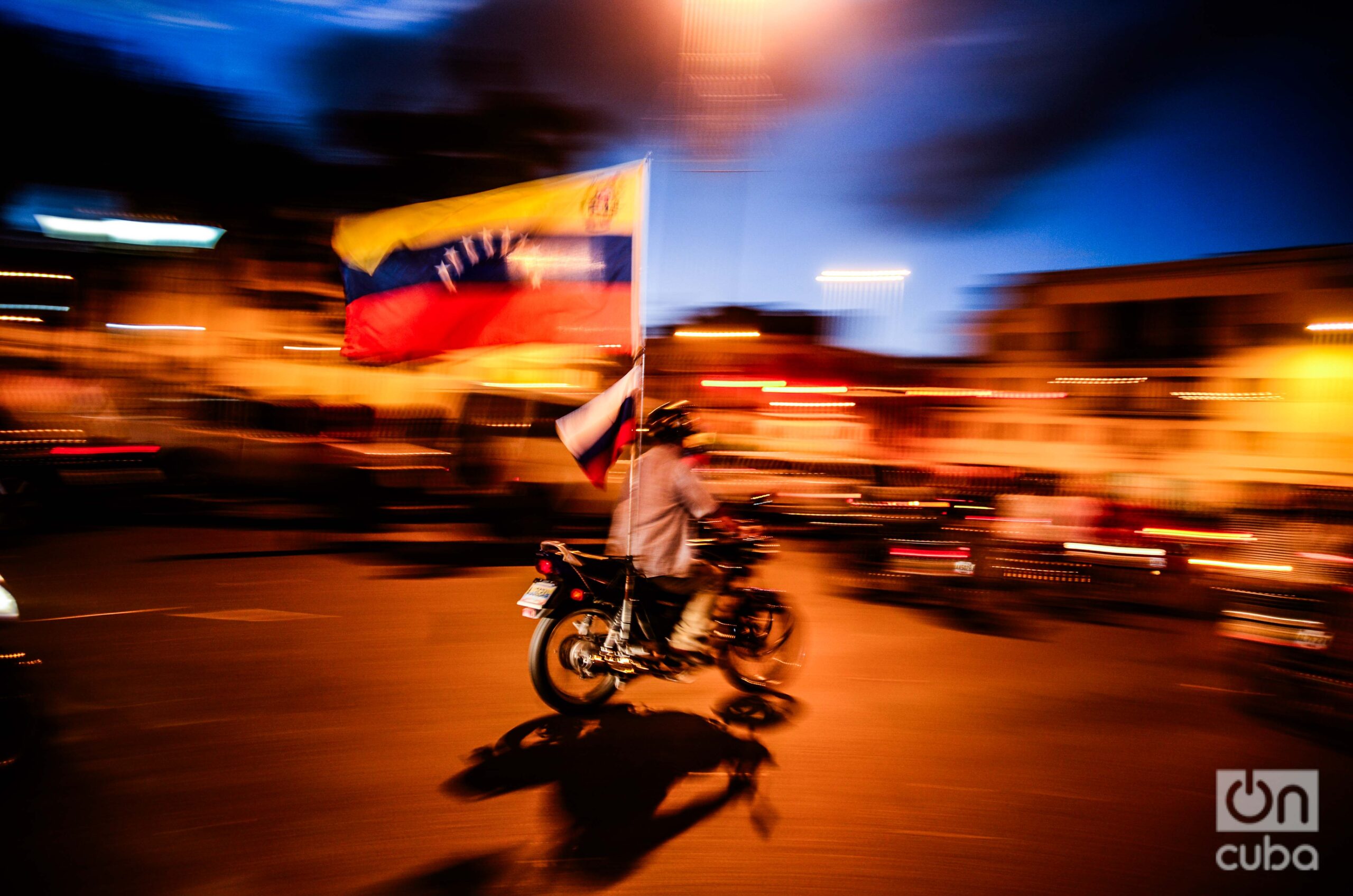
There is a thread in the course of history that unites Cuba with Venezuela. Sometimes it is umbilical cord; others, a tie that tightens; others, simply a bridge of affections, of shared dreams and also of interests and debts.
As a child, I didn’t even know how to locate Venezuela on the map. But, as a pioneer, he could already recite by heart the beginning of “Three Heroes” by José Martí:
“They say that a traveler arrived one day in Caracas at dusk, and without shaking off the dust of the road, he did not ask where he ate or slept, but rather how he went to where the statue of Bolívar was.”
The land of the Liberator was, before a country, a literary scene: a night, a traveler, a statue. A promise.
Later, around the age of twenty—at the end of the nineties, when things were tougher than ever in Cuba—Hugo Chávez appeared with the Bolivarian Revolution. The blackouts ended and, suddenly, Venezuela began to feel as familiar as any Cuban province.
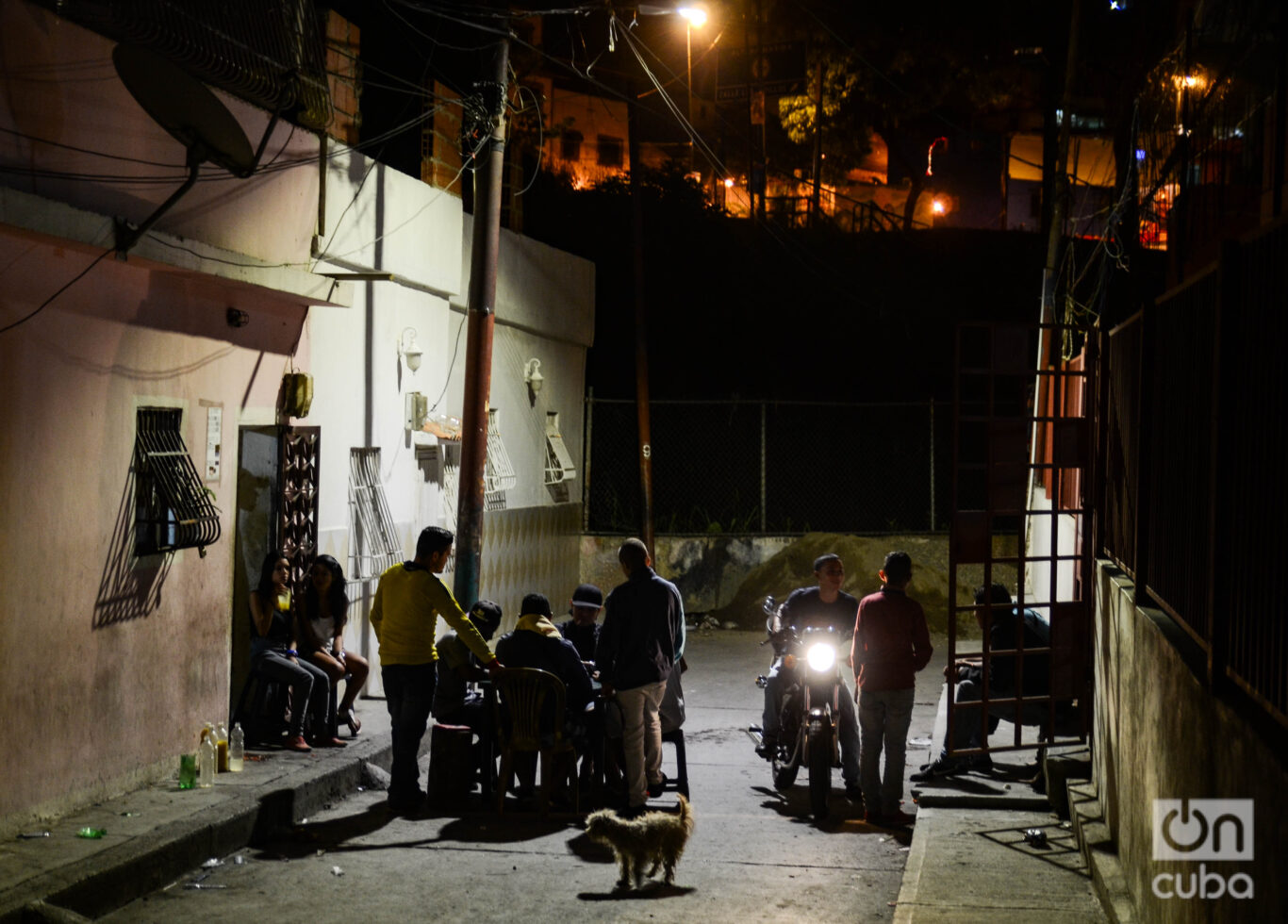
I ended up teaching young Venezuelans at a school for social workers in Holguín. My aunt, a family doctor, went on a mission in an office lost in the hills of Caracas. Mutual collaboration between two countries and, for ours, in addition to the burden of solidarity, the dream of improving economically.
The movement became routine. The sister country became something more complex: faces, voices, stories, contradictions… and also the television, the music system, the clothes that, after four years, my aunt brought.
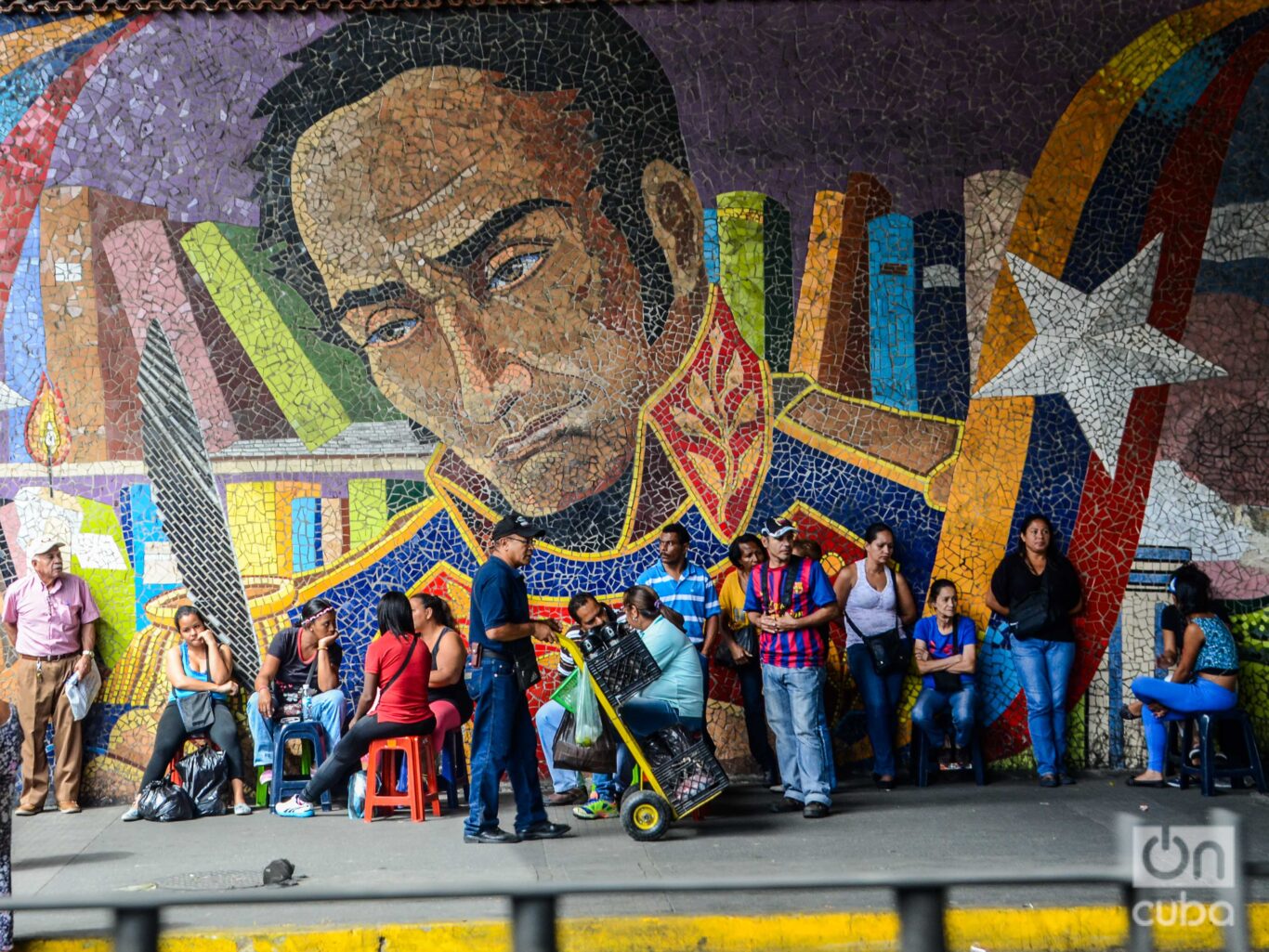
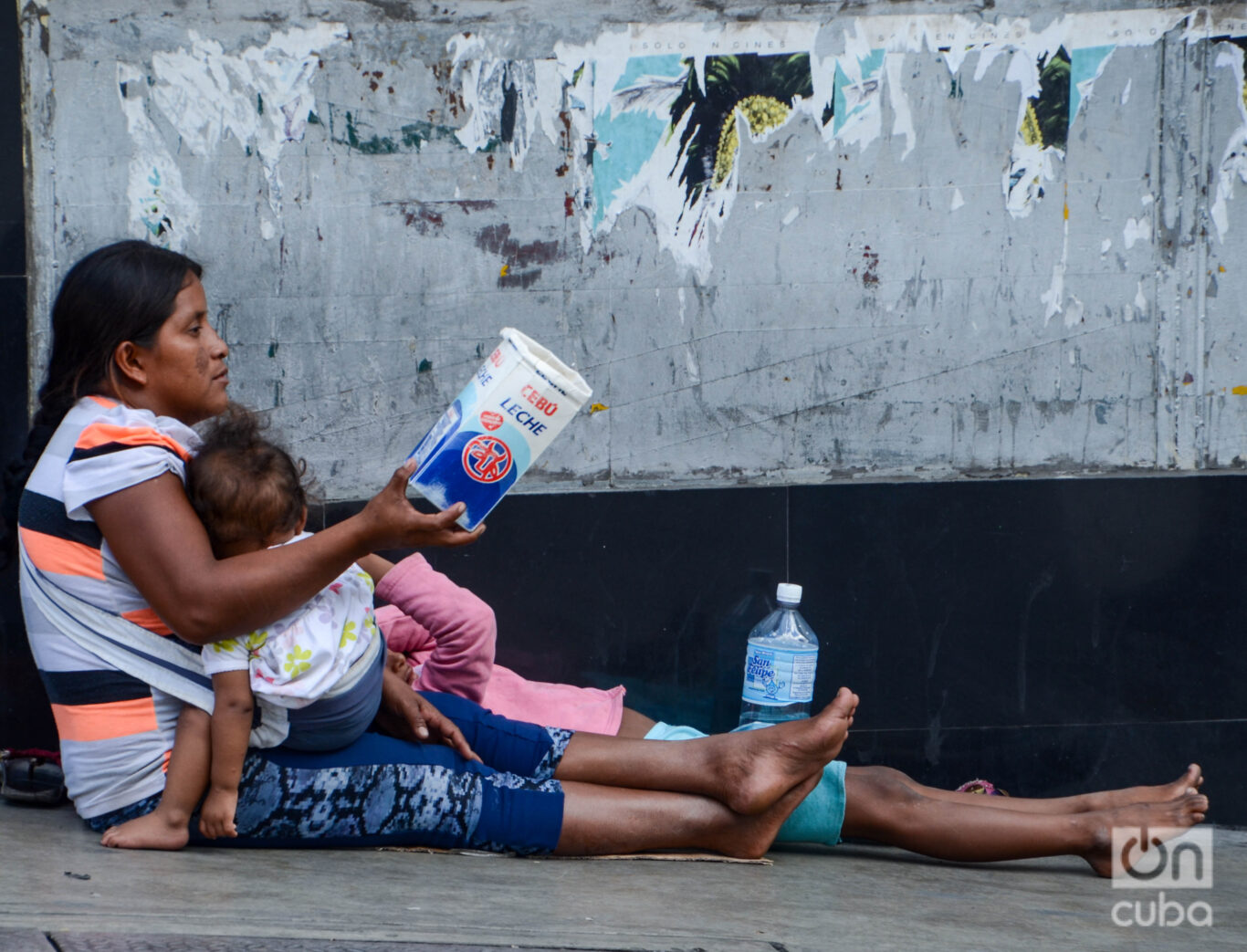


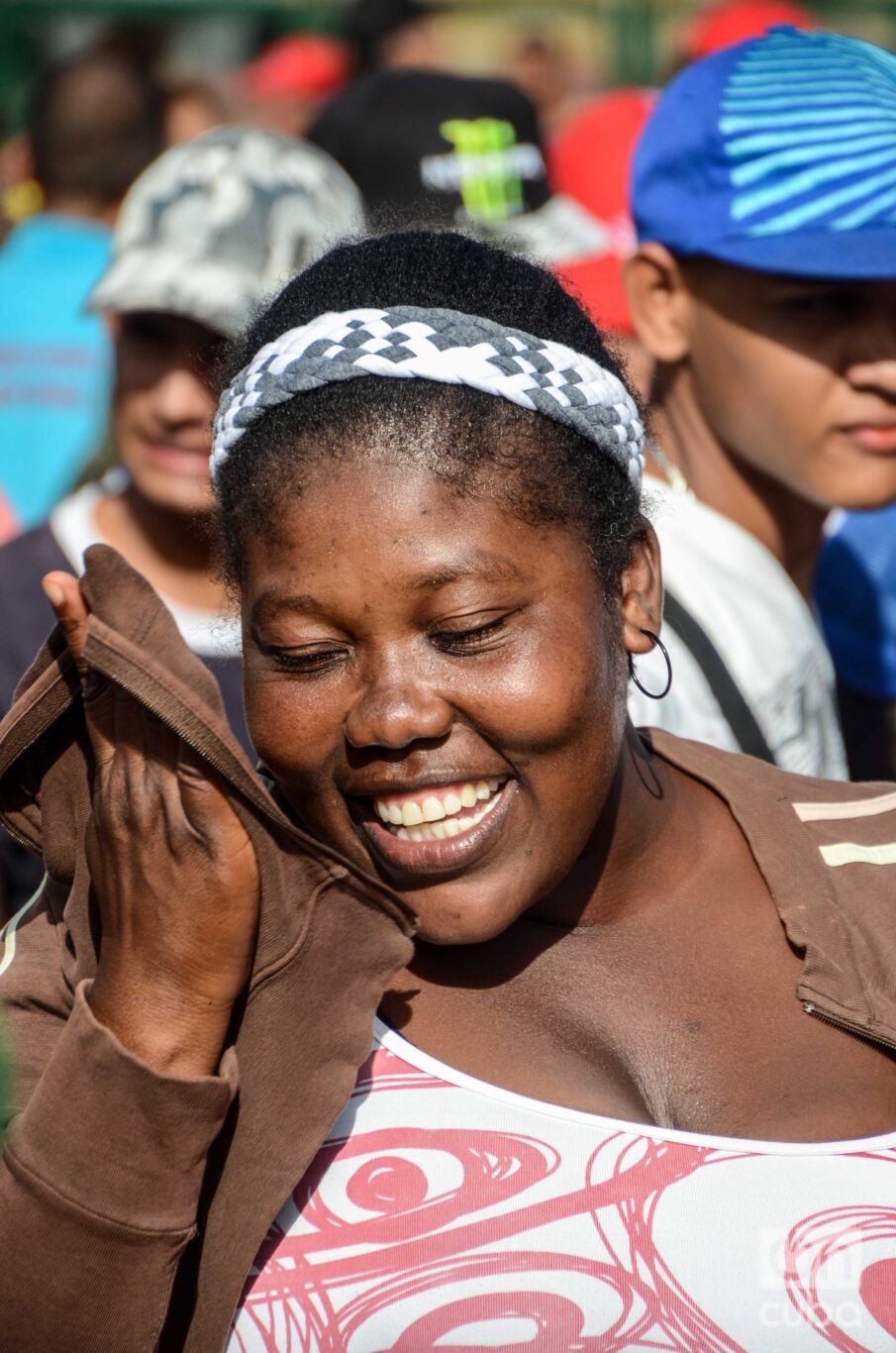
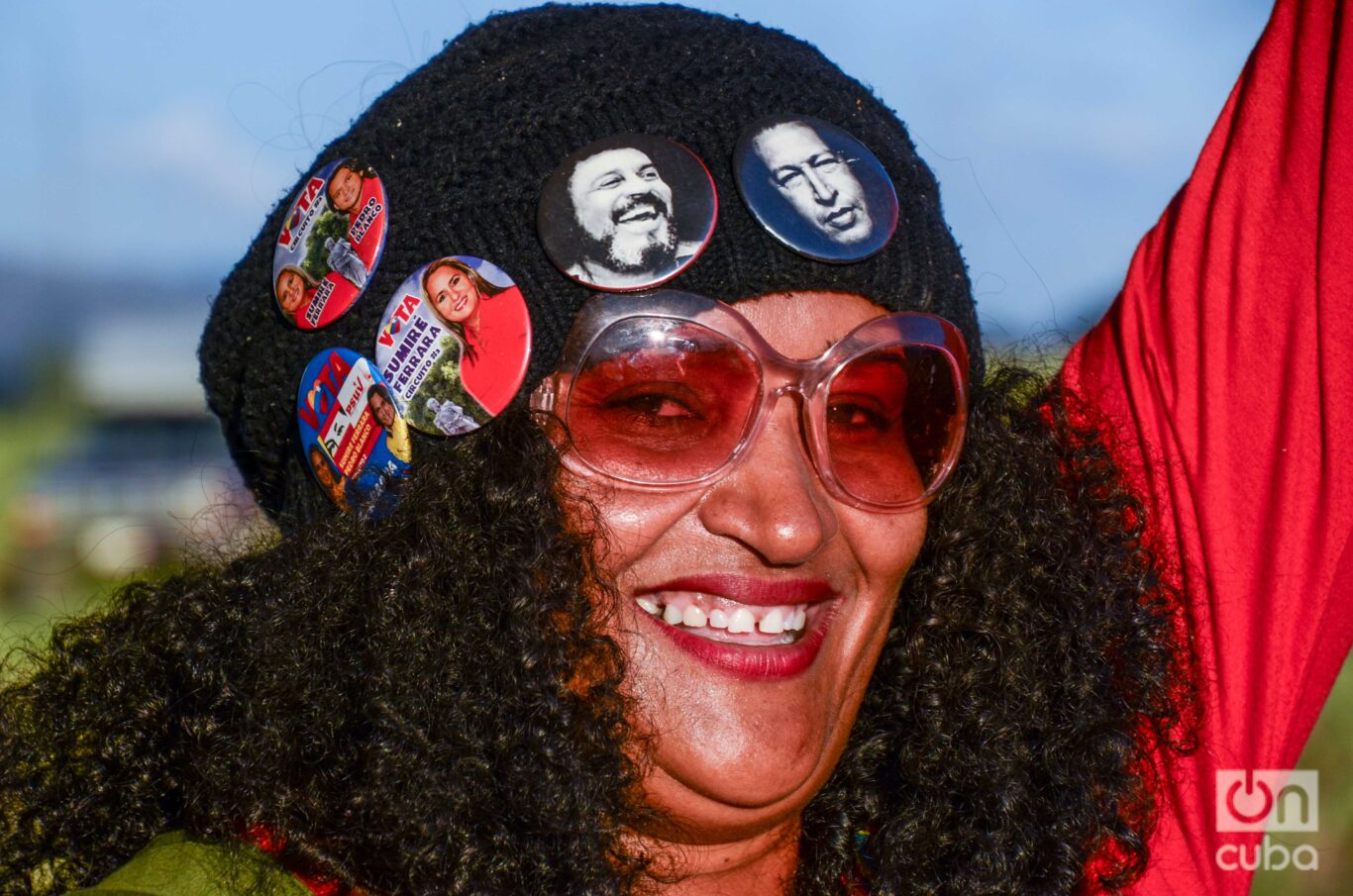

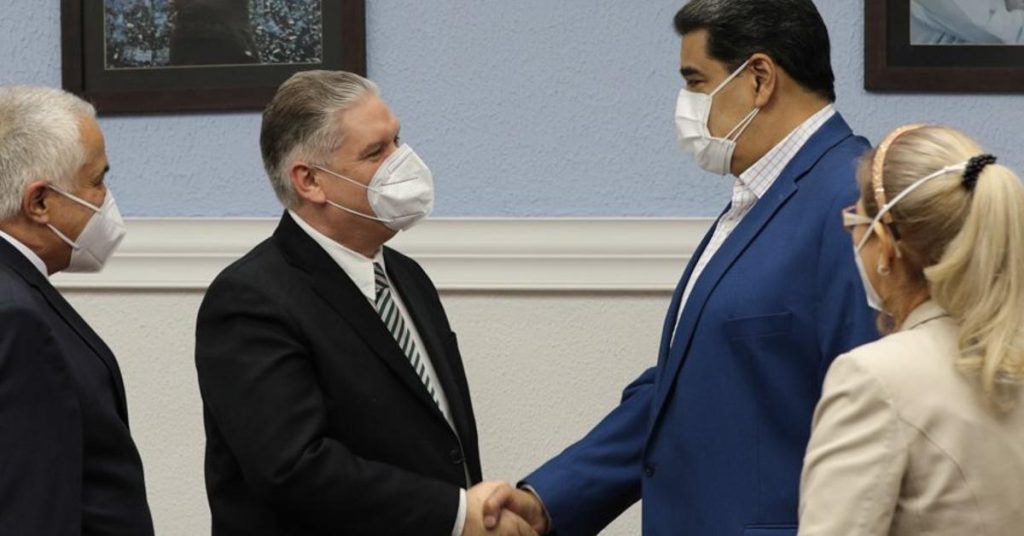
Chávez died and there was official mourning for several days in Cuba. Nicolás Maduro took office. Years later, in 2015, I arrived in Venezuela for the first time. I stayed almost two weeks, in the middle of the legislative election campaign that Chavismo would end up losing. The first thing I did was repeat Martí’s gesture: look for the statue of Bolívar. I wanted to check if that founding scene—the traveler, the dust of the road, the longing—was still intact.
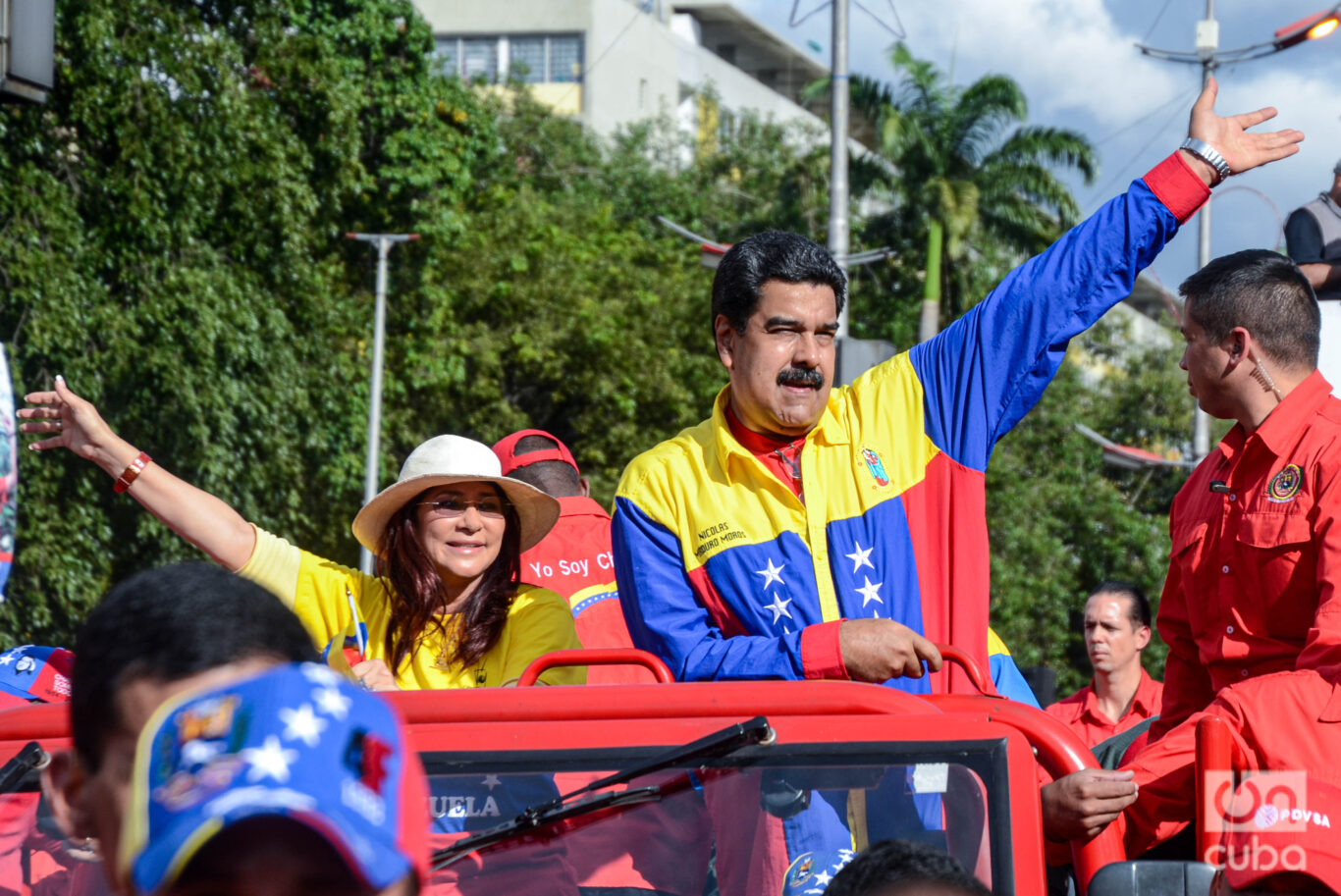

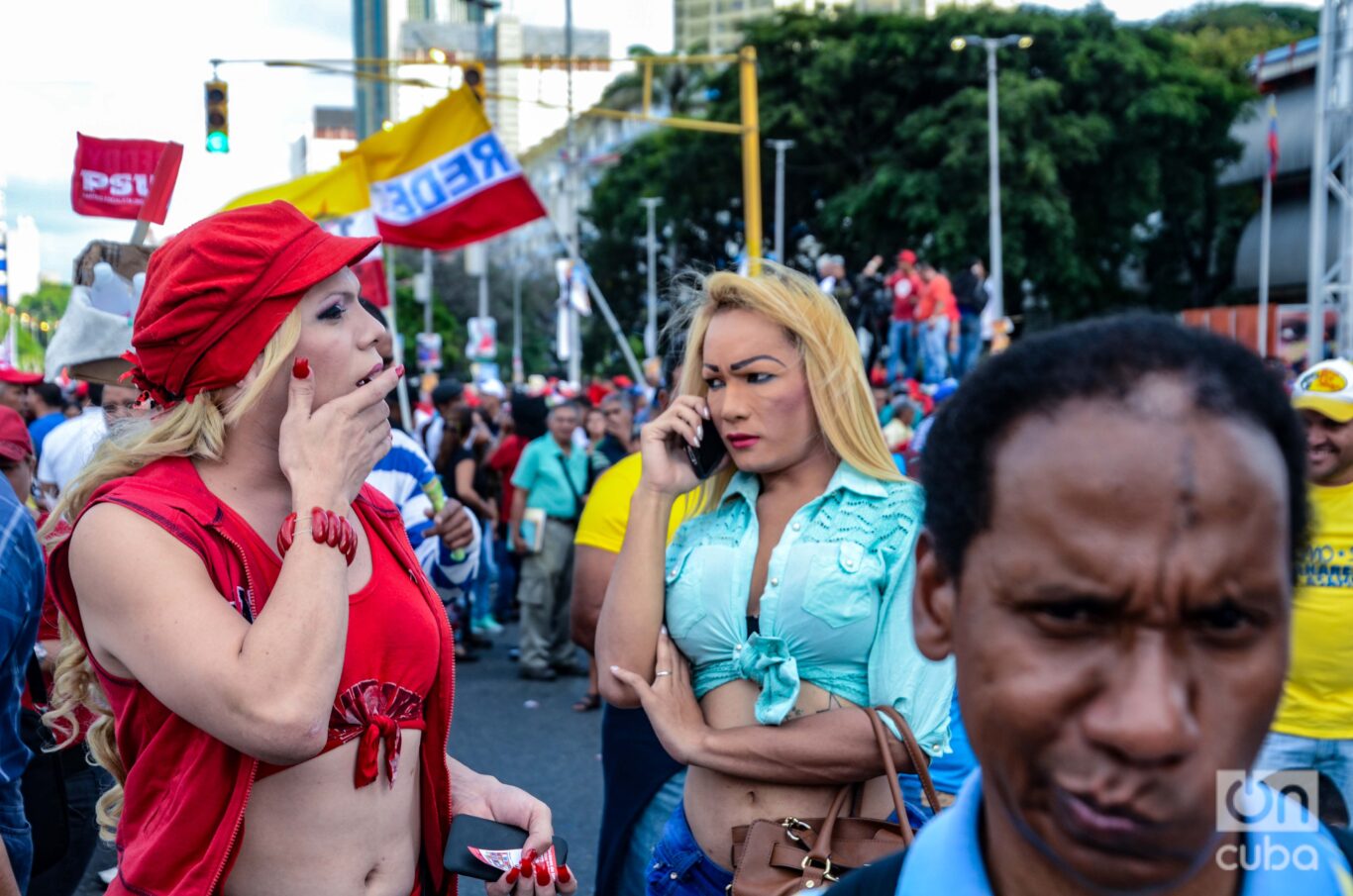
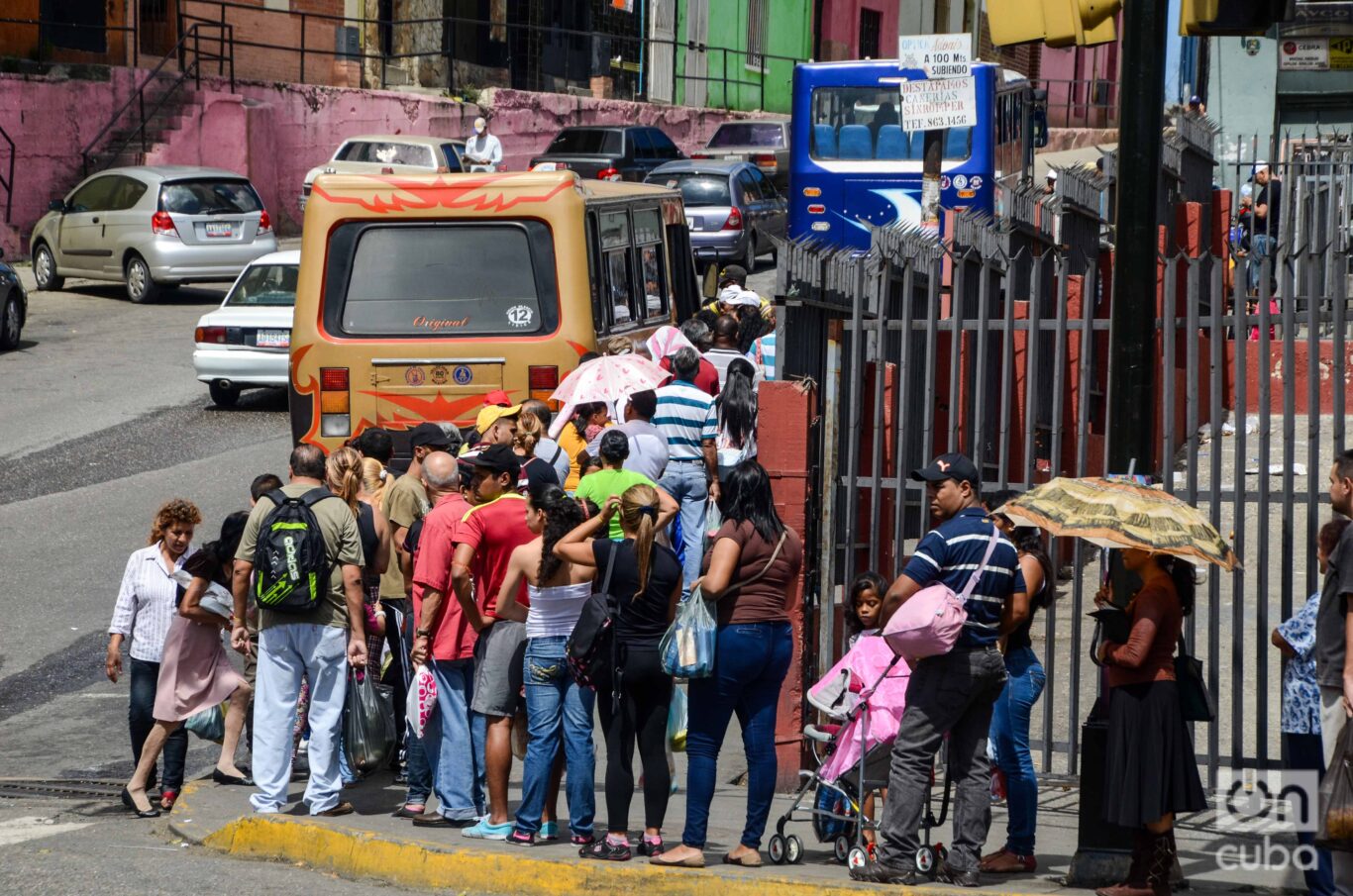
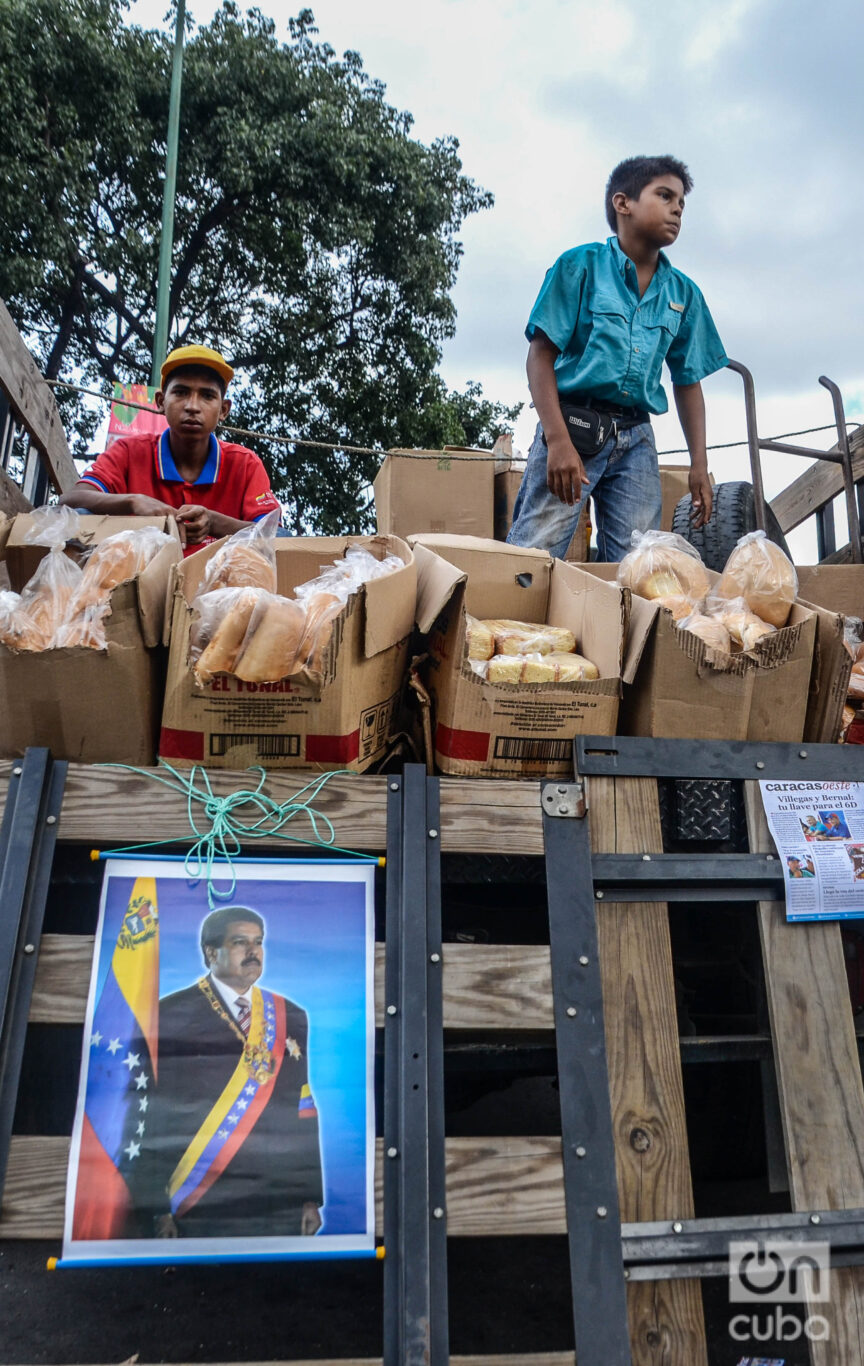
Then I walked without stopping: streets, neighborhoods, hills, squares. Caracas revealed itself to me as a living organism: vibrant, wounded, proud, distrustful. I traveled to Aragua, I entered rural areas, I heard the different noise of the countryside. I spoke with fervent Chavistas and with disenchanted Chavistas; with tough opponents, with maduristas, anti-maduristas and with people who no longer wanted labels. I heard fears, anger, arguments, silences and also genuine hope. I saw endless lines to buy food and, at the same time, impromptu parties: happy people.
Therefore, when today we try to read—and tell—what just happened in Venezuela, it is advisable to take a deep breath. The temptation to reduce everything to a blunt phrase is great: “it was for democracy”, “it was for dictatorship”, “it was for oil”, “it was for geopolitics”. They all contain some truth and, at the same time, they all omit a huge amount of nuance. The difficult thing to accept is that Venezuela—like no country—fits into a single story.
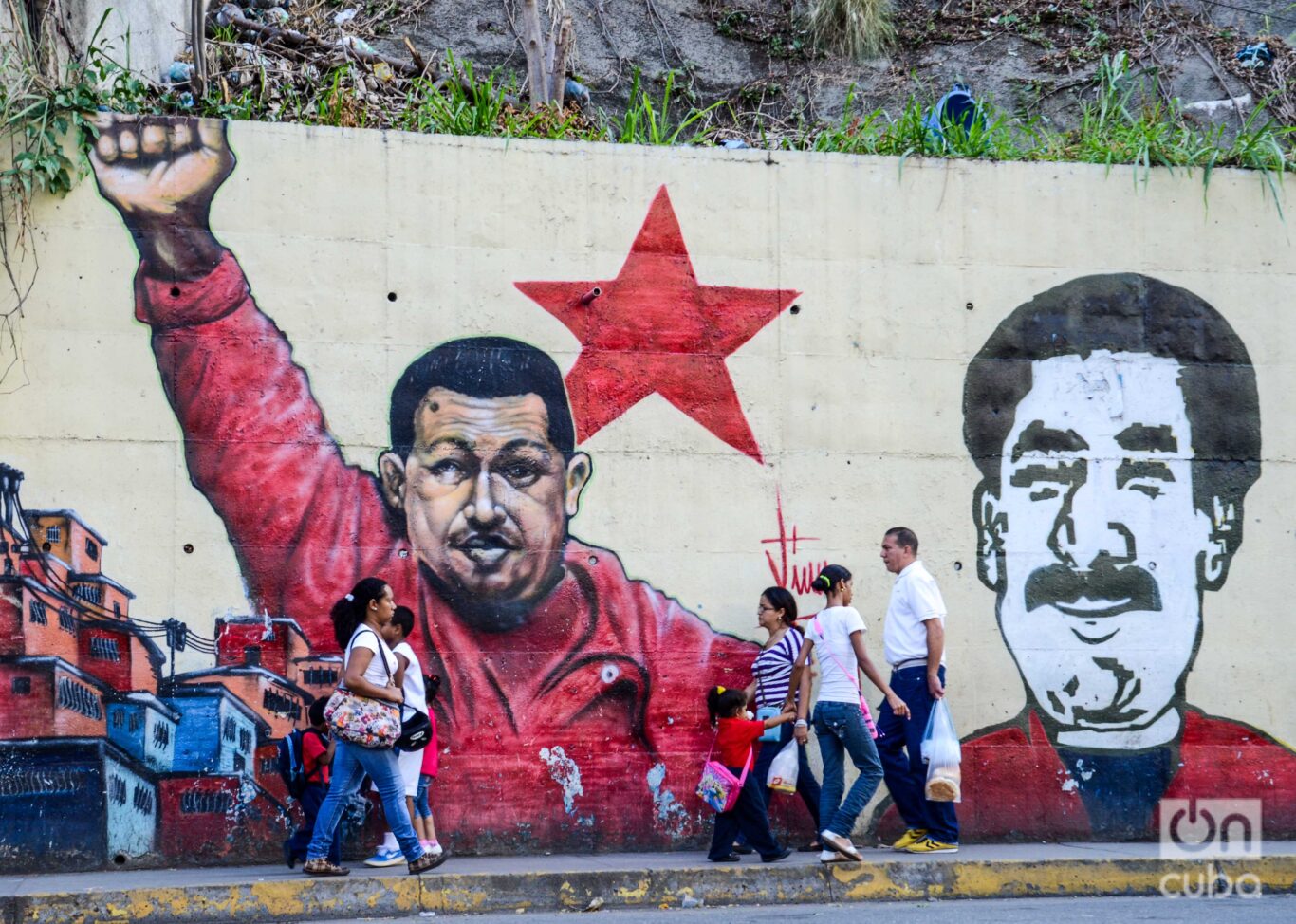
For years, Venezuela has been suffering profound wear and tear: brutal economic crisis, hyperinflation, diasporas, corruption that does not distinguish political colors, institutional deterioration and a polarization capable of turning any conversation into a minefield. Added to this are sanctions, external pressures, open and covert interventions, and interested readings from outside that speak “on behalf of the Venezuelan people” without even listening to them.
Telling Venezuela requires accepting discomfort. Recognize that Chavismo opened real expectations for millions and, at the same time, that it ended up trapped—and trapping the country—in logics of power, inefficiency and corruption. Recognize that the opposition channeled genuine unrest, but also opted more than once for strategies designed for the North rather than for Venezuelans. Finally, recognize that when the United States “defends democracy” in Latin America, it does not do so for free.

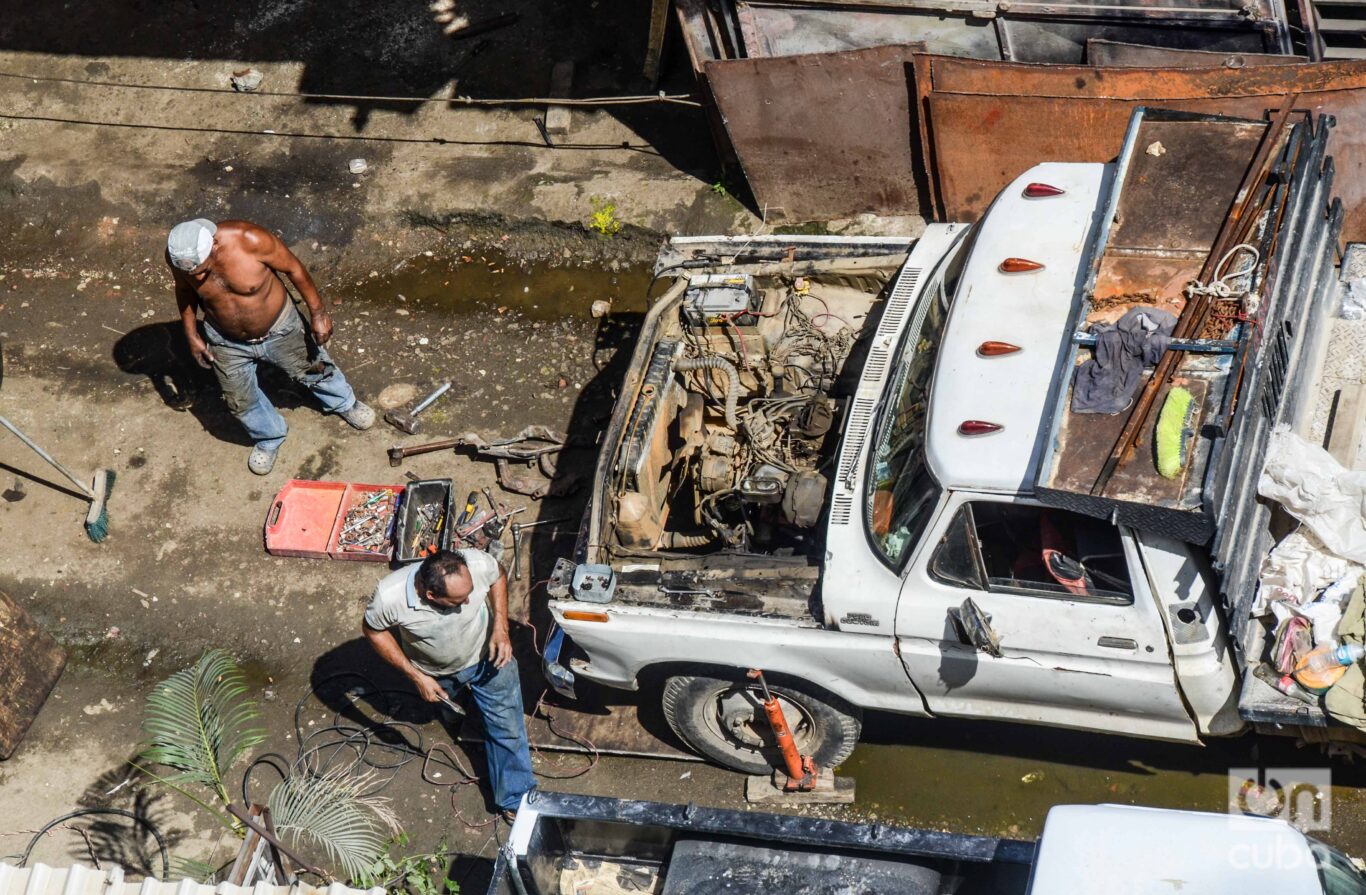
I then return to Martí’s traveler, who arrives at night in Caracas and looks for the statue of Bolívar. Perhaps today’s question is no longer how to get to the statue, but how to get off it. How to return Bolívar—and so many symbols—to their human size, to think about politics without temples, without dogmas, without messiahs.
Perhaps, in the end, the most honest chronicle is this: Venezuela hurts, teaches, bothers, challenges. And we—Cubans, Latin Americans—remain united to her by that cord that is never completely cut: memory, gratitude, reproach, learning.