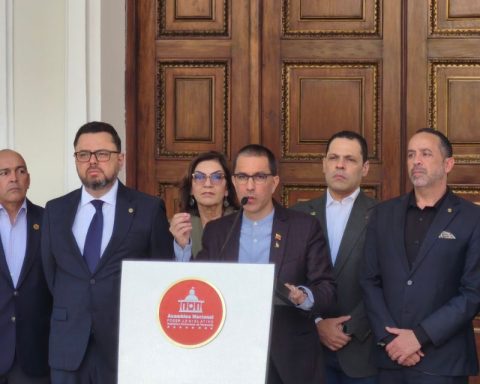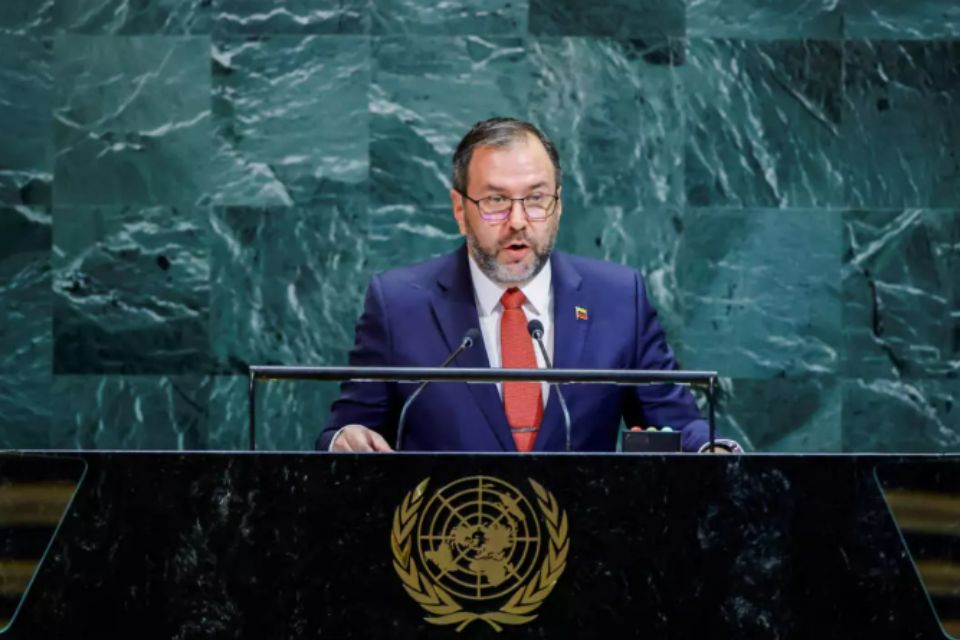
The demand was raised by the Venezuelan Minister of Foreign Affairs, Yvan Gil Pinto, who intervened before the human rights forum to denounce what he described as the arbitrary detention of Maduro “in the full exercise of his functions.”
Venezuela presented this Monday a strong diplomatic demand against the United States during the opening session of the UN Human Rights Council, demanding the immediate release of former president Nicolás Maduro and his wife, Cilia Flores, captured on January 3 by US military forces in Caracas.
The demand was raised by the Venezuelan Minister of Foreign Affairs, Yvan Gil Pinto, who intervened before the human rights forum to denounce what he described as the arbitrary detention of Maduro “in the full exercise of his functions”, in an operation that, according to Caracas, caused numerous victims.
“We request the United States government to immediately release Nicolás Maduro and Cilia Flores,” said Gil during his speech, in which he also urged the cessation of all sanctions against Venezuela and full respect for the sovereignty of the States.
The Venezuelan Foreign Minister also denounced that the detention of Maduro and Flores occurred “arbitrarily” and without legal justification, under an operation that – he assured – violated fundamental principles of international law. This position is part of a series of claims that Venezuela has raised before different international organizations since the United States attack in January that culminated in the capture of Maduro and Flores.
*Read also: Relatives denounce that Cicpc officials were arrested for refusing to falsify expertise
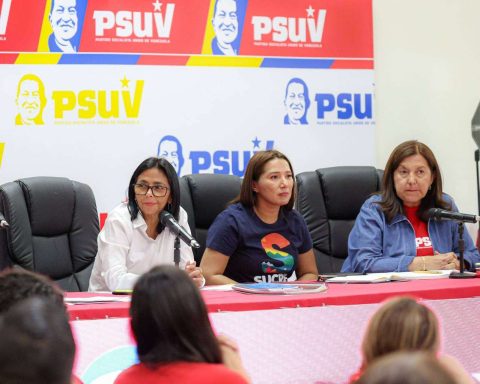
Gil also stressed that Venezuela has opened “a diplomatic channel to resolve differences” with the United States, although always “from the conviction that dialogue between States is the only civilized path between nations” and not “from subordination,” he indicated in Geneva.
In his speech, the minister mentioned as a gesture of good will by the government led by Delcy Rodríguez the recent renewal of cooperation with the UN Human Rights Office, which, according to Gil, allows “reopening spaces for technical dialogue” with that international organization.
*Journalism in Venezuela is carried out in a hostile environment for the press with dozens of legal instruments in place to punish the word, especially the laws “against hate”, “against fascism” and “against the blockade.” This content was written taking into consideration the threats and limits that, consequently, have been imposed on the dissemination of information from within the country.
Post Views: 116