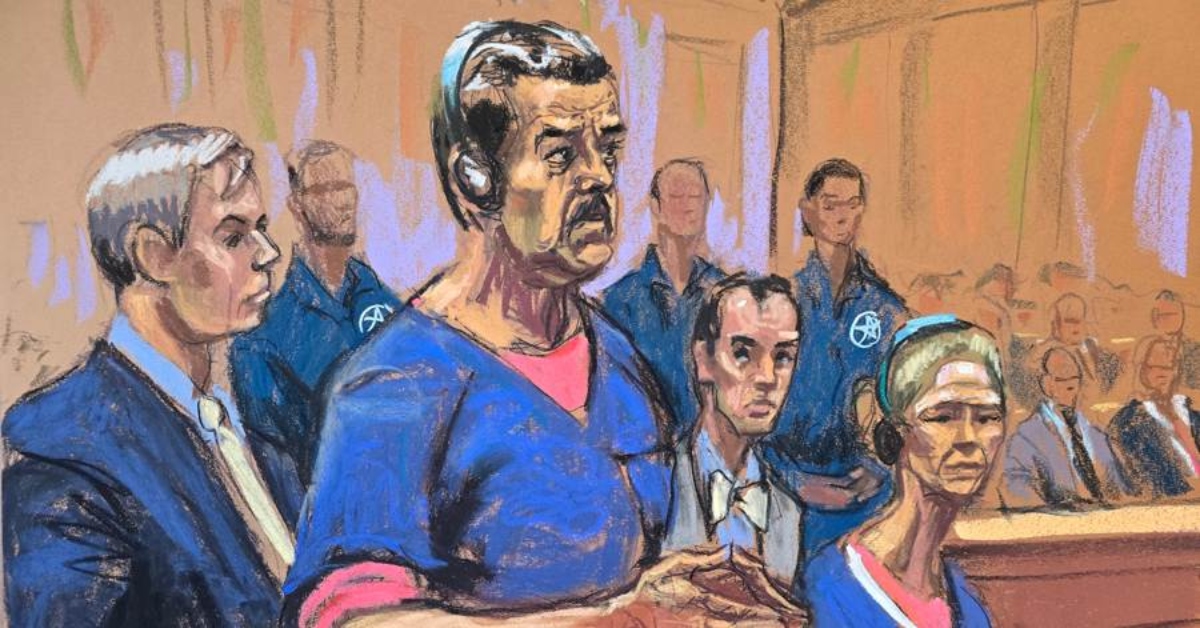
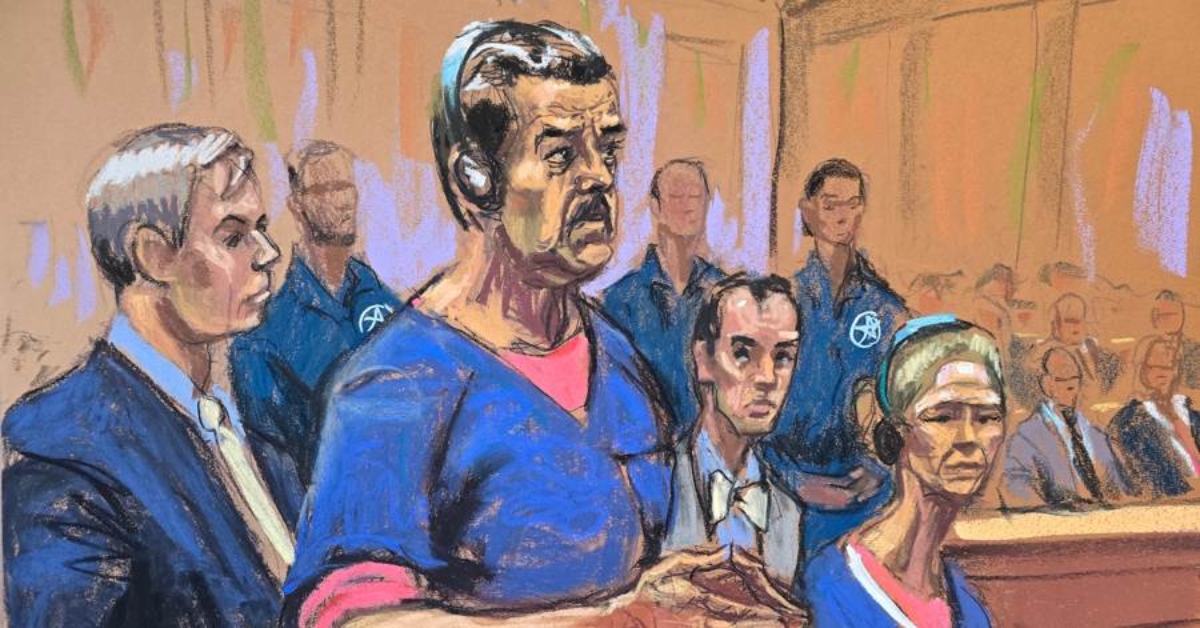
The justice of the United States has second court hearing postponed of the former Venezuelan president Nicolas Maduro and his wife Cilia Flores, originally scheduled for March 17 in federal court in New York, to March 26, the agency reported AFP.
The decision was granted by the judge in charge of the case after a joint request from the Prosecutor’s Office of the Southern District of New York and with the consent of the defenses of both accused, who are being held in United States territory. The judicial authorities indicated that the postponement responds to “planning and logistics problems” within the process, without offering further details.
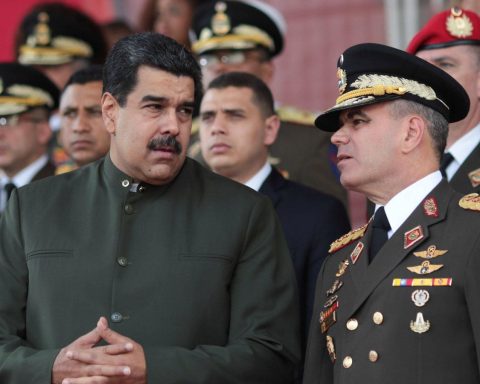
Maduro, 63, appeared for the first time before US justice on January 5, after being captured on January 3 during a military operation by US forces in Caracas, and pleaded not guilty of the drug trafficking charges brought against him. During that initial hearing, the former president described his detention as illegitimate and called himself a “prisoner of war.”
His wife, Cilia Flores, 69, who was also detained during the same operation, will appear with him in court on the new established date.
Process context
The process against Ripe and Flores is processed in the Southern District of New Yorkhome to high-profile criminal cases, including those related to international drug trafficking. The US prosecutor’s office has laid out charges that include conspiracy to import drugs and other federal crimes, while the defense insists that it is a political process with geopolitical motivations.
Since his arrest, Donald Trump has stated that the United States is “in charge” of facilitating a transition in Venezuela, and assured that a group of US officials will support monitoring the situation in that country.
Maduro was replaced on an interim basis in the presidency by Delcy Rodríguez, who was his vice president since 2018, after his capture by North American special forces in Caracas.
With the rescheduling of the hearing, the judicial calendar of the criminal case enters a new stage that could define the procedural direction and the next legal strategies of both parties in the litigation that has attracted international attention both for its legal complexity and its political implications.