The Brazilian government once again condemned the armed action of the United States in Venezuela, as well as the kidnapping of President Nicolás Maduro and first lady Cilia Flores, last Saturday (3).
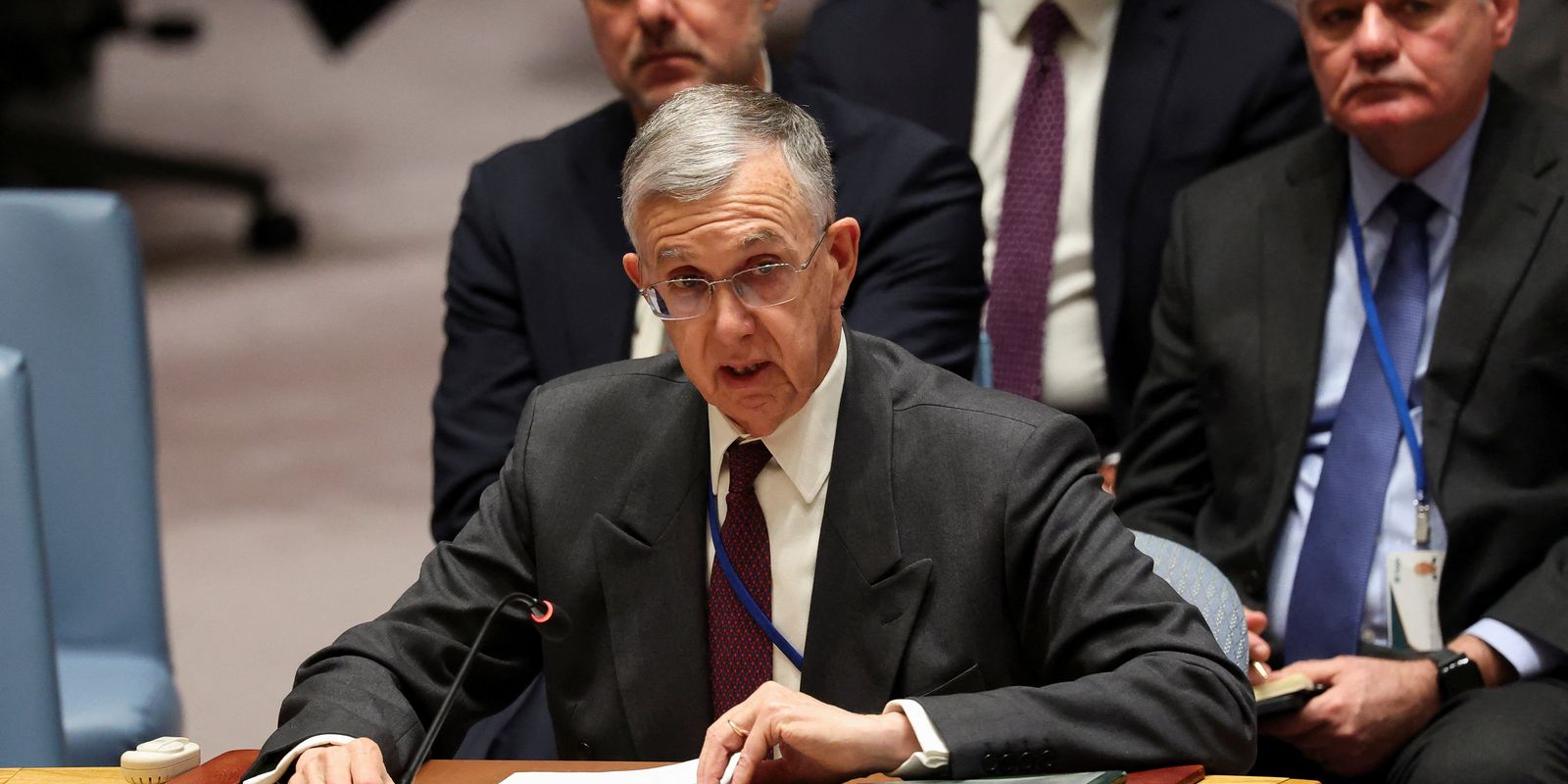
During the emergency meeting of the United Nations (UN) Security Council this Monday (5), ambassador Sérgio França Danese said that peace in South America is at risk.
According to the diplomat, previous armed interventions on the continent resulted in authoritarian regimes, human rights violations, deaths, political arrests, torture and forced disappearances.
“The use of force in our region evokes chapters of history that we believed we had left behind and puts at risk the collective effort to preserve the region as a zone of peace,” said Danese.
“We reaffirm with full determination our commitment to peace and non-intervention in our region.”
Unacceptable line
For Brazil, the United States crossed an “unacceptable line” from the point of view of international law. Danese stated that the North American action directly violates United Nations norms.
“The UN Charter establishes as a pillar of international order the prohibition of the use of force against the territorial integrity or political independence of any State, except in strictly foreseen circumstances. These norms do not admit that the exploitation of natural or economic resources justifies the use of force or the illegal change of a government”, said Danese.
The Brazilian representative stated that the future of Venezuela must be decided exclusively by its people, through dialogue and without external interference, within the framework of international law.
“The multipolar world of the 21st century, which promotes peace and prosperity, should not be confused with spheres of influence. We cannot accept the argument that the ends justify the means,” Danese said.
Colombia and Cuba
Other South American countries adopted arguments similar to Brazil’s when condemning the United States’ actions in Venezuela last weekend. Among them Colombia and Cuba, recently threatened by President Donald Trump as possible new targets for Washington.
Colombian Ambassador Leonor Zalabata Torres said the US violates international law and Venezuelan sovereignty.
“There is no justification, under any circumstances, for the unilateral use of force or for committing an act of aggression,” said Torres.
The ambassador warned of the humanitarian and regional impacts of the crisis.
“Unilateral actions contrary to international law put regional stability at risk and worsen the already complex conditions of the civilian population, with devastating effects that will transcend Venezuela’s sovereign borders,” said Torres.
“Colombia has been and will continue to be a supportive recipient of the Venezuelan population, but a massive migratory flow would require a significant effort in resources and capabilities,” he added.
Cuban ambassador Ernesto Soberón Guzmán accused the United States of having as its main objective the control of Venezuelan oil production.
“The ultimate objective of this aggression is not the false narrative of combating drug trafficking, but the control of Venezuela’s land and natural resources, as has been openly and shamelessly declared by President Trump and his Secretary of State,” said Guzmán.
“Speaking of a ‘safe and prudent’ transition means, in the United States’ view, imposing a puppet government functional to its predatory objectives, particularly the unrestricted access and plundering of natural resources that belong to the Venezuelan people,” he added.
The diplomat also denied that the country operates secretly in Venezuelan territory, as stated by the US government.
“We categorically reject accusations that Cuba maintains intelligence assets in Venezuela. These statements have no factual basis and seek to divert attention from criminal acts committed by the United States in the region,” said Guzmán.
Argentina
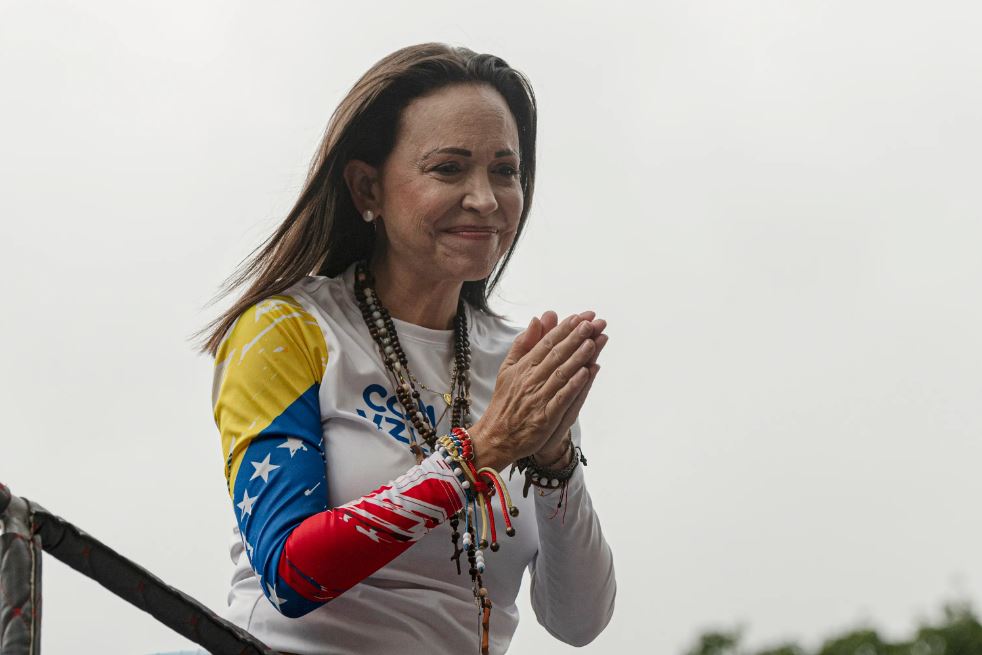
One of the few countries to speak out in defense of United States military action in Venezuela was Argentina. UN Ambassador Francisco Fabián Tropepi classified the kidnapping of Nicolás Maduro as a decisive step in the fight against narco-terrorism and an opportunity to restore democracy in the country.
“The Argentine Republic trusts that these facts represent a decisive step against the narco-terrorism that affects the region and, at the same time, open a stage that will allow the Venezuelan people to fully recover democracy, the rule of law and respect for human rights”, declared the Argentine diplomat.
Tropepi recalled the granting of diplomatic asylum to six Venezuelan opposition leaders in March 2024 and the expulsion of Argentine diplomats from Venezuela, after the Buenos Aires government recognized Edmundo González Urrutia as the elected president of Venezuela.
“Despite the pressure, the Argentine Republic maintained its unshakable conviction to continue denouncing the situation in Venezuela and to act in all available international forums,” said Tropepi.