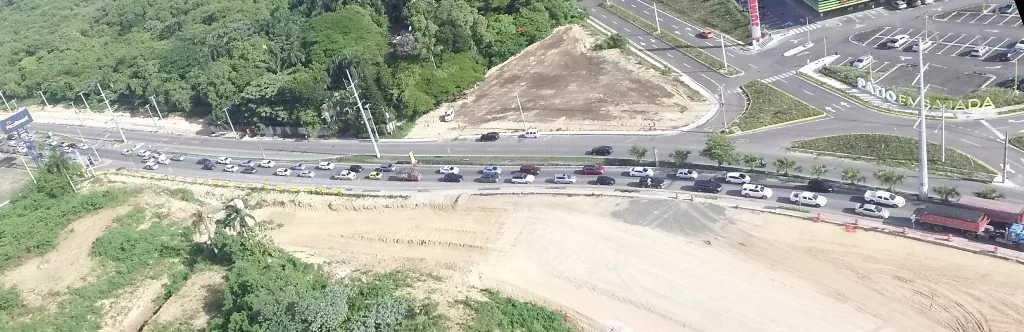
The area was planned as part of the horizontal growth of the National District. They have proliferated residential and commercial spaces.
Santo Domingo.-Since a few decades, the capital has had sustained growth towards the southwest, as in other cities in the world.
Its residents were arriving with the dream of having a home, away from the noise of the center and more surrounded by nature.
And since the 90s, the National District was caught in a central polygon that has collapsed by traffic saturation and escalation in housing prices, whose costs became prohibitive for many families who wanted to have their own home.
Faced with that reality, alternatives of low and medium cost arose on the periphery, which motivated young couples and other families to establish themselves in areas such as the Republic of Colombia Avenue.
Thus a vibrant community began to grow that, although it found well -being, also loads with a serious problem: a road infrastructure that does not accompany its development.
Quiet and safe
Tranquility is the common denominator in which they have made the decision to move there, where traffic affects them daily.
The merchant and businessman Pedro Espino moved in Altos de Arroyo Hondo III approximately 11 years ago and highlights the order that prevails.
“This is one of the most organized and quiet sectors. We have been working in common to discuss all the issues that come in welfare of each of the residents,” said the president of the Board of Neighbors of that Residential.
Rafael Germán, one of the first residents in Ciudad Real II, opened in 2009, especially valued the green areas of the residential where he lives and the security provided by space.
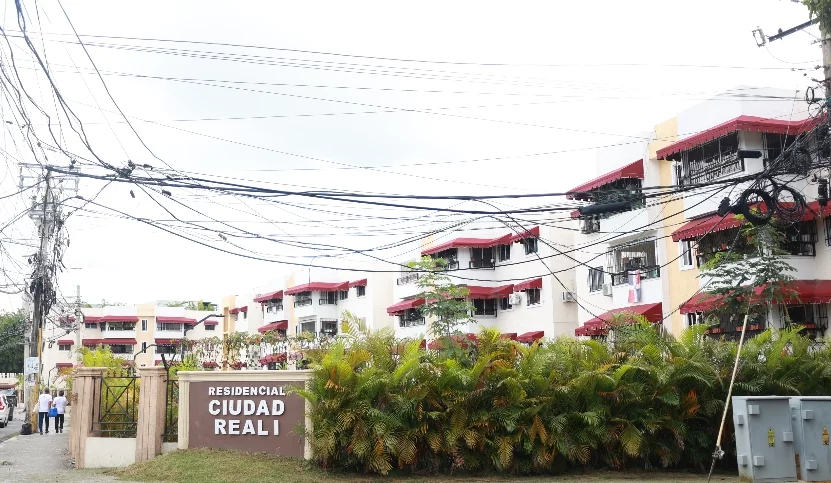
“Most people, even other residential, come here to exercise for the ease and number of green areas. This residential has a unique microclimate, surrounded by trees,” said Germán, who said that their children have also decided to live in the area.
Adacela Ortiz, a resident already retired, moved to precisely looking for that tranquility, in addition to having all services within reach, without moving to great distances.
He said that “we are like a small town … there is school, church, pharmacy, gym, supermarkets and laboratories. Sometimes I spend weeks without leaving the residential, because I have everything here.”
Gilberto Soto, with only two years of moving, highlighted “this is a garden city. Living on the outskirts with good services is what is sought now.”
Ana López, who has lived in Colombia for 15 years, recalled that at the beginning many neighbors sold their homes, however, over the years and the arrival of commercial spaces, the properties have been revalued almost to the triple.
Commercial Development
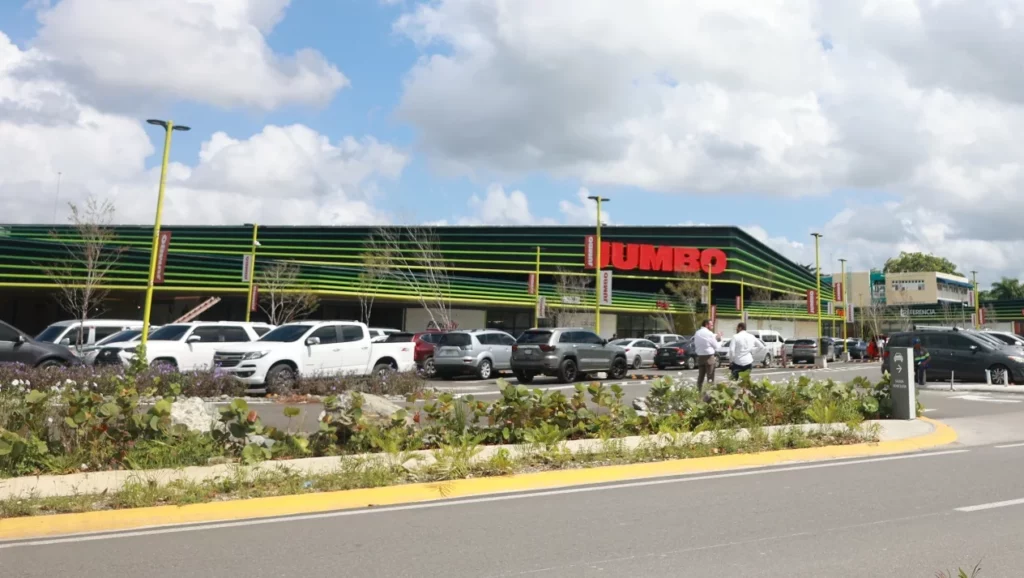
With population growth, with more than 50 thousand families, development brought with it an unprecedented commercial expansion. Colombia became a key axis.
There large chains such as Pricesmart, Jumbo, Sirena, Bravo, along with banks such as Banreservas, La Nacional, Banco Santa Cruz and multiple fast food restaurants such as McDonald’s, KFC, Domino’s Pizza, Wendy’s and Yao were installed.
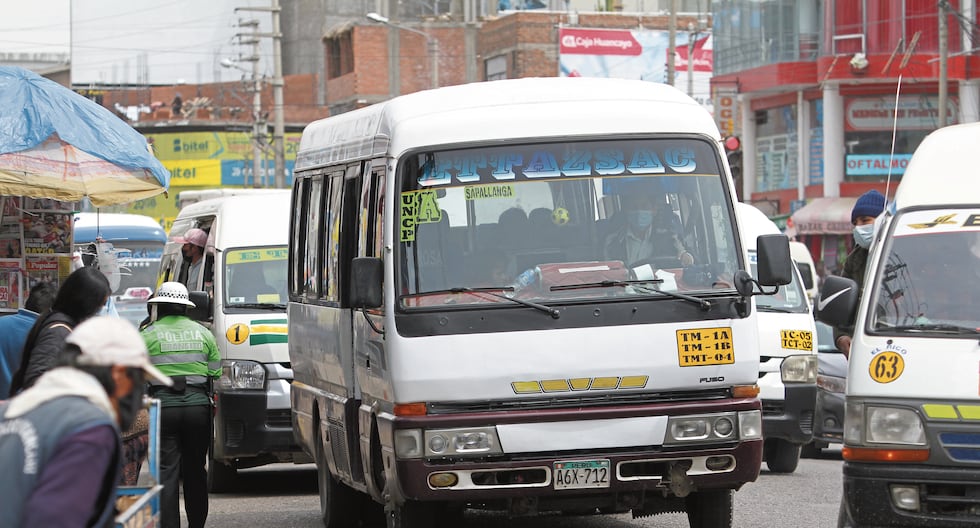
A tour of the area shows not only the great residential density, but also the accelerated growth of the commercial offer, which in many cases exceeds the road capacity of the area.
Colombia Avenue works as the main traffic axis, but the only alternative route, La Isabela Avenue, is barely two lanes, crosses the old Hondo stream and is also collapsed.
Avenue trapped
– Road funnel
The area is trapped in a road without clear way out, where each new residential or commercial development deepens the mobility crisis that puts into play the quality of life that attracted its first residents.