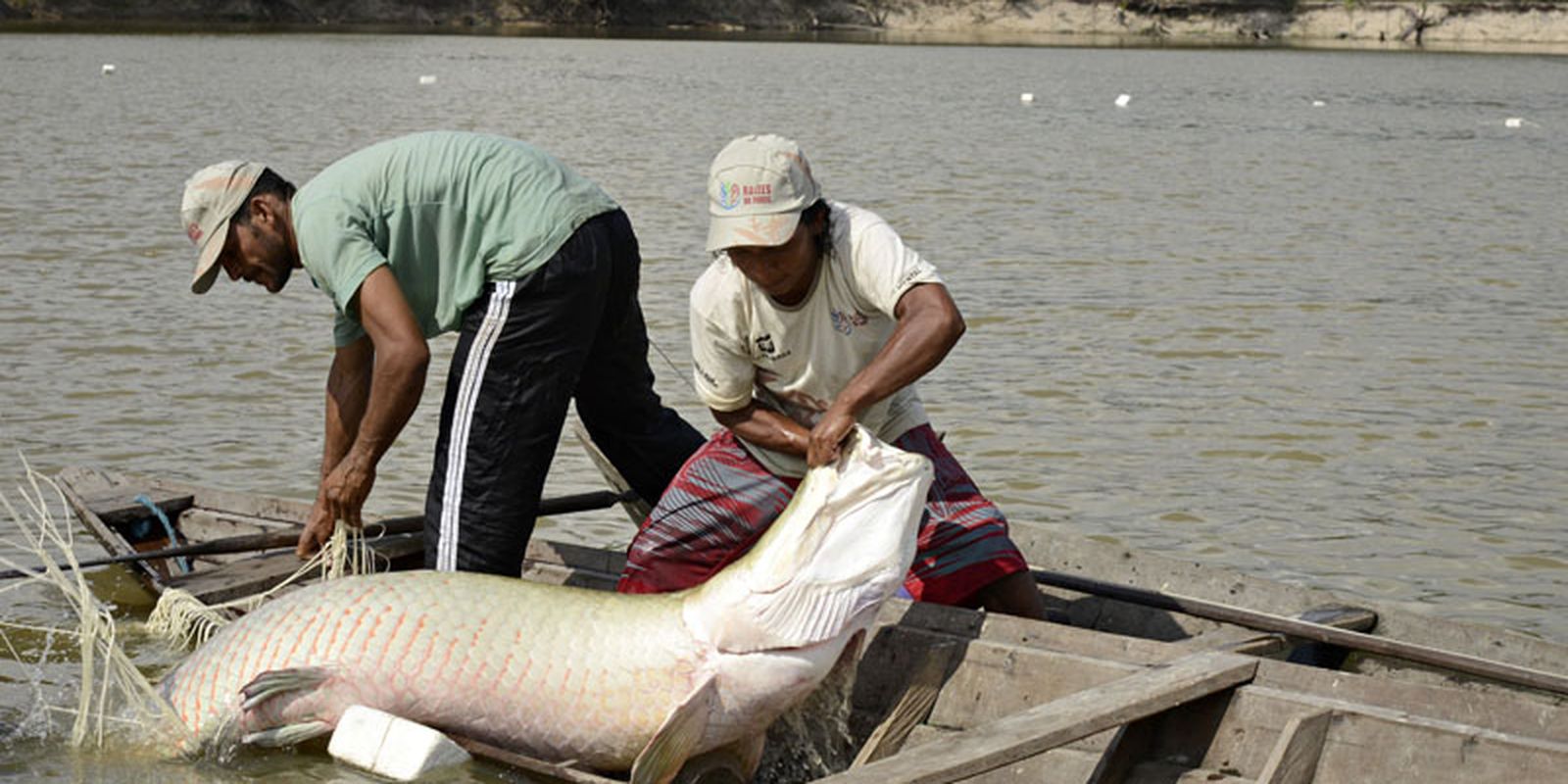
The pirarucu (Arapaima gigas) and the pirarucu (Brachyplatystoma filamentosum) are two species of Amazonian fish that, in addition to sharing the biome of origin, have other characteristics in common: the high demand for gastronomy and the difficulty of reproduction in fish farming environments.
It was these characteristics that made them the first species to have their DNA sets deciphered in an unprecedented study conducted by the Federal University of Pará (UFPA).
According to researcher Sidney Santos, who led the team at the Human and Medical Genetics Laboratory at the Institute of Biological Sciences, the study was motivated by the need to contain the impacts caused by the advance of predatory exploitation of these species, due to the increase in demand.
“The central idea is, if you, in a balanced and targeted way, obtain enough knowledge to produce these fish in the most sustainable way possible, you can reduce the demand on nature”, he explains.
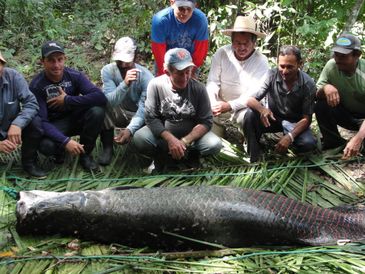
The UFPA study was motivated by the need to contain impacts caused by the advance of predatory exploitation of these species, including the arapaima. – Disclosure/WWF Brazil
DNA
The most complete way to seek this knowledge is by deciphering the DNA (deoxyribonucleic acid) provided by biological samples from various individuals of the species. This molecule, composed of four types of nucleotides (Adenine (A), Thymine (T), Cytosine (C) and Guanine (G), stores precise information about health, physical traits and ancestry, for example.
In the case of the study with the arapaima and its offspring, the scientists took samples from more than 100 fish, so that their DNA could be read by a genetic sequencer capable of understanding the order of the nucleotides. Each different order brings information about a living being, which together forms the genome of that species. A kind of complete manual about the group.
“This can apply to any animal you imagine, any plant. The model is always the same. If you, in a sustained way, obtain complete information about the genome of these animals, you can do anything with them, including reproducing”, says Santos.
According to the researcher, in practice, it is possible to know if that fish is the offspring of a mother for production in fish farming, or if it was taken directly from nature and sold to another country.
Traceability
Species protection goes beyond alleviating the removal of naturally reproduced fish from the environment. Through knowledge of the species’ genome, it is also possible to know the precise origin of that animal.
According to the director of the Socio-Environmental and Water Resources Institute at the Federal Rural University of the Amazon, Igor Hamoy, who participated in the UFPA study, in addition to all the physiological knowledge, the genome allows genetic traceability.
“With the history inside the arapaima genome, for example, I can discover whether an arapaima being sold in Boston came from the Amazon,” says Hamoy.
He also highlights that all the information brought by the study is registered in a public genetic bank, enabling the advancement of new research on the species.
“I can find out exactly what species it is and no longer have any doubts as to whether the scientific name or the common name, which is being used by a community, is really the fish that that Amazonian community has been eating for a long time, working for a long time”, he highlights.
Advances
It was from the information obtained that the researchers were able to advance on the main obstacles in relation to the psychculture of arapaima and its offspring: the induction of sex hormones, the development of adequate nutrition for artificial environments and traceability to prevent Amazonian species from being sold illegally.
According to the national secretary of Biodiversity, Forests and Animal Rights, of the Ministry of Environment and Climate Change, Rita Mesquita, these scientific advances are guiding the implementation of public conservation policies in the country.
“Genetic research contributes to increasing our knowledge about Brazilian biodiversity and also helps us to better understand what we have already done and what still needs to be done,” he stated.
According to the secretary, planning until 2030, foreseen in National Strategy and Action Plan for Biodiversity (Epanb) It was designed based on what science suggests is necessary to reduce the loss of biodiversity and regenerate Brazilian biomes.
Some public policies depend even more on genomes deciphered by scientists, as is the case with the creation of lists of invasive alien species and the National List of Endangered Species. Another example cited by the secretary is the National Native Vegetation Recovery Plan (Planaveg)launched by the federal government in 2024.
“In refaunation processes, because fauna has disappeared, or restoration of vegetation, this library of genetic information allows us to access the knowledge necessary to return species to the right places”, explains Mesquita.
Challenges

UFPA researcher, Sidney Santos, led a study on the impacts caused by the advance of predatory exploration. Photo: Sidney Santos/Personal Archive
In the opinion of researcher Sidney Santos, the expansion of studies to decipher genomes of species in general is a type of knowledge that tends to advance in the country and around the world, mainly due to the reduction in the cost of the necessary resources.
“The human genome, which was the first, took 10 years to make, costing US$ 2.5 to 3 billion. From then on, the power of the machines increased. Today, with the MGI, which is the equipment [sequenciador de DNA] that we use, you can make 48 human genomes in 3 hours, at a cost, which I hope will still decrease, from US$1,500 to US$2,000 at most”, he says.
On the other hand, Hamoy highlights that the challenges for the Amazon region are greater than in other regions of the country. According to Santos, in addition to the UFPA equipment being the only genetic sequencer in the public sector in the Amazon, there is also the so-called “Amazon cost” caused by logistical and operational difficulties.
“The cost today is lower, but it is not yet an affordable cost for any researcher, for any university. So the technology park that UFPA has here, in the Human and Medical Genetics Laboratory, is a park that can do all of this,” he said.
“But the input for this research, for example, has to be financed. So, there are many lines of research that need financing, especially those that are applied research”, he added.
For Rita Mesquita, the work to ensure that species are not lost is a challenge as large as the country’s biodiversity: the largest in the world.
“What the Ministry [do Meio Ambiente] What we do in this sense is to continue working with science to improve our information on priority areas, to continue seeking the protection of territories for species, especially those most threatened, so that these species have the necessary protection so that they do not disappear”, he reinforces.
And the role of science is a fundamental part of generating knowledge that allows human interaction with species from any biome to be guided by sustainability parameters, highlights the secretary.
“This applies to animals and this applies to plants. If we have ways to manage them in a sustainable way, ways to recover, restore and return, we can establish a relationship where species can be managed based on sustainable principles of low-impact management and with assured populations in protected areas”, he concludes.