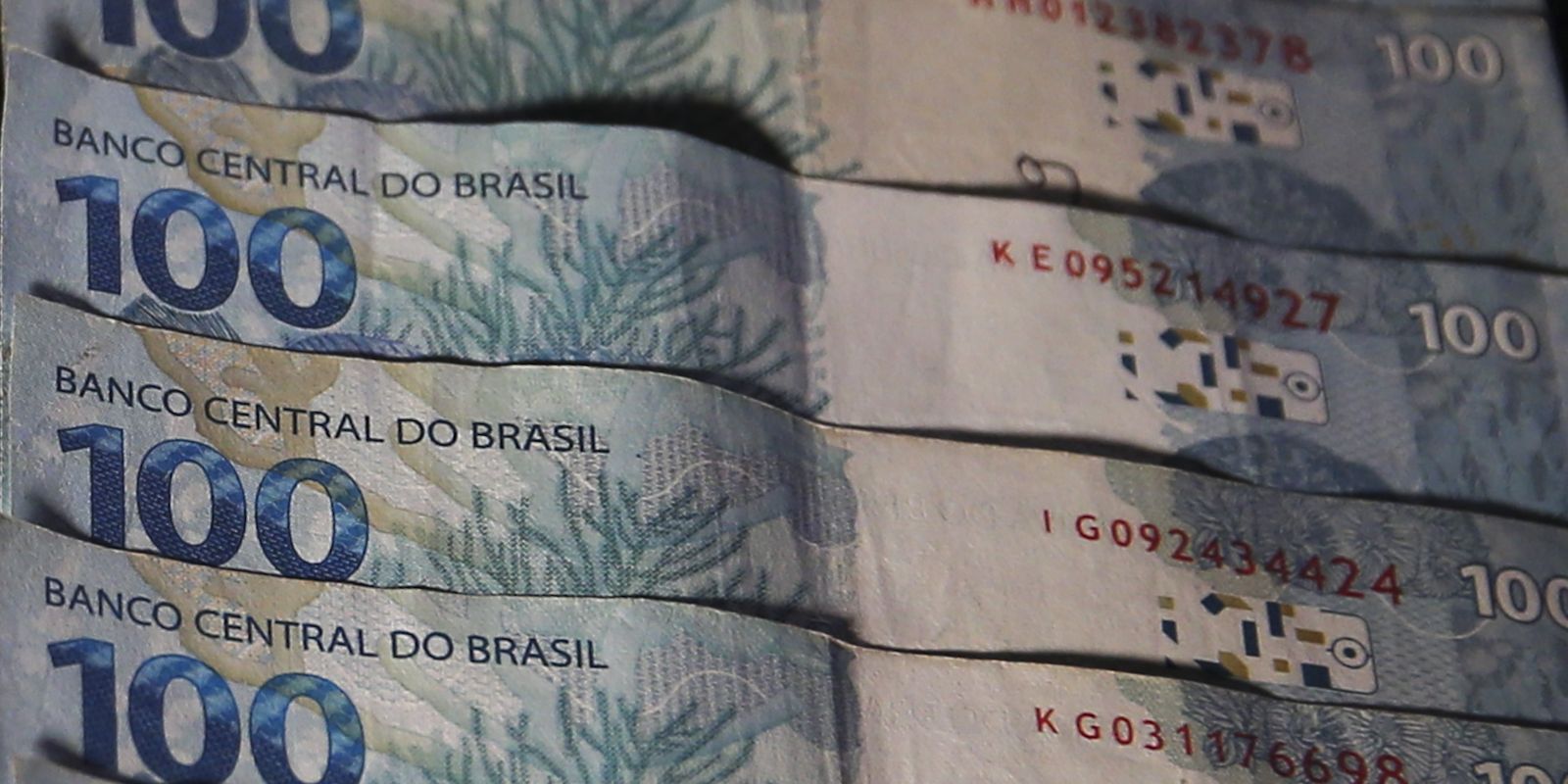
In 2025, the National Treasury paid R$10.95 billion in late state debts. Of the total, the majority – R$4.69 billion – is related to late payments by the government of the state of Rio de Janeiro. Next came debt payments of R$3.55 billion from Minas Gerais and R$1.59 billion from Rio Grande do Sul.
Last year, the Union also covered debts of R$888.06 million in Goiás and R$226.19 million in debts in Rio Grande do Norte.
The federal government also honored R$130.47 million in late debts from eight municipalities. In total, the Treasury covered R$11.08 billion in local government debt in 2025.
The data is in the Report on Guarantees Honored by the Union in Credit Operations, released this Thursday (15), in Brasília, by the National Treasury Secretariat.
Guarantees are executed by the federal government when a state or municipality defaults on a credit operation. In this case, the Treasury covers the default, but withholds transfers from the Union to the debtor entity until the difference is paid, charging fines and interest.
The guarantees honored by the Treasury are deducted from the Union’s transfers to federated entities – such as revenues from participation funds and Tax on Circulation of Goods and Services (ICMS), among others.
Overdue obligations are subject to interest, late payments and other operational costs relating to the period between the due date of the debt and the effective honoring of the amounts by the Union.
Propaganda
Until December 31st, states were able to join the State Debt Payment Program (Propag). It provides for a series of conditions such as the sale of assets to the Union and a spending cut plan for the release of up to R$20 billion in investments by the states.
Propag provides for discounts on interest and payment of the balance of state debts in up to 30 years. In return, the states that join will contribute resources to the Federal Equalization Fund (FEF), which will distribute money to all states that join – even those that do not have debts with the Union – for investment in education, public security, sanitation, housing, transport and other areas.
By the beginning of December, seven states had joined Progag: Minas Gerais, Goiás, Tocantins, Piauí, Ceará, Alagoas and Sergipe. After the National Congress overturned the Presidency of the Republic’s vetoes on Propagat the end of November, Rio de Janeiro and Rio Grande do Sul joined the program.
Rains in Rio Grande do Sul
Due to the floods in the state, in 2024, the Union suspended debt payment for 36 months. In addition, the interest that corrects the debt annually – around 4% per year plus inflation – will be forgiven for the same period. The state’s debt with the Union is currently around R$100 billion and, with the suspension of installments, the state has R$11 billion to be used in reconstruction actions.
In June 2022Rio Grande do Sul had reached an agreement with the Union and had its fiscal recovery plan approved.
The plan allows the state to repay, in a phased manner, the Union’s debt, the payment of which had been suspended by an injunction from the Federal Supreme Court since July 2017. In exchange, the government of Rio Grande do Sul must execute a fiscal adjustment program that provides for privatizations and reforms to reduce local spending.