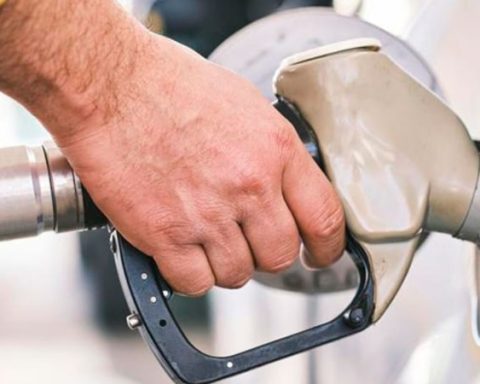
Embargo on Reficar would affect the distribution chain and could raise the price per gallon, according to the union.
The national union spokesperson for service stations, David Jiménez Mejía, warned this Friday about the risk that the country would face if the embargo on Reficar is carried out, a measure that, he said, could affect the supply of fuel on the Atlantic Coast and have repercussions at the national level.
“We hope that this situation is resolved soon in the best way, that this executive measure of the possible embargo on Reficar is not imposed, since the entire national supply would be affected.”Jiménez pointed out.
The leader explained that the Cartagena Refinery is key in the fuel distribution chain, and that any interruption in its operations would directly impact the companies. 6,400 service stations in the country.
“This is a situation that can be resolved technically without the need to resort to coercive measures that stop the importation of fuels into the country”, accurate.
You can read: Valle, Cali and Jamundí join together to guarantee the future of the Commuter Train
According to Jiménez, the initial impact would be concentrated in the Atlantic coast, but the impact would progressively extend to other territories due to the interconnected nature of the supply system.
“The department of the Atlantic Coast, but this may eventually have water repercussions down in the other territories,” he explained.
The spokesperson also warned that, if the entry of imported fuels is stopped, a chain effect could be generated on prices, since the 40% of the regular gasoline and 10% of the diesel consumed in Colombia come from abroad.
“If imports are stopped, the price per gallon will rise because today regular gasoline is not subsidized. The same would happen with diesel,” he said. Jiménez insisted that this debate must be resolved in a technical and concerted scenariowithout measures that compromise the operation of the chain or national supply.
“Any decision that affects the distribution of fuel not only impacts land transportation, but also tax collection and the stability of a sector that generates close to 9 billion pesos a year in taxes,” he added.
The leader recalled that the retail distribution sector is already facing pressure due to operating and tax costs, which makes its sustainability more vulnerable to a possible shortage.
Also read: Attention, young people! These are the requirements to perform military service in Colombia
“Today the competitiveness of this sector is decimated. In the most remote regions, the margins are not enough to cover operating costs,” he pointed out.
Finally, Jiménez reiterated the call to the authorities to avoid decisions that could trigger a fuel blackout and aggravate the energy deficit that thermal plants currently cover with liquid fuels.
“Almost 6% of the electrical energy consumed in the country comes from thermal generation. If the supply is stopped, the national energy matrix will also be compromised,” he concluded.