“These overwhelming costs are equivalent to 1.1% of Mexico’s GDP, and will represent a significant load for the long -term economy,” he warns in the 2025 Child Nutrition Report, published on Thursday.
However, these expenses can be avoided with prevention strategies. For example, with the promotion of breastfeeding, taxes on sugary drinks, subsidies for fruits and vegetables, restrictions on the commercialization of harmful products, school interventions and nutritional advice, the country would have a return of 515 dollars for each dollar invested.
Mexico already implements several of these measures. The UN report places the country as one of the regional leaders, together with Chile and Brazil, in the fight against childhood obesity.
“They have become world leaders,” he emphasizes. “In the face of a high prevalence of overweight and obesity between children and adolescents (…) each country exceeded considerable resistance of the industry to implement a set of measures to improve food environments.”
UNICEF recognizes Mexico as a pioneer in the application, since 2014, of special tariffs on sugary drinks and non -essential foods of high caloric content. Now, the government of President Claudia Sheinbaum proposes to increase that tax in 2026.
The agency also considers that the country introduced in 2020 the food warning labeling, qualified as one of the strictest in the world. As well as the prohibition of advertising and sale of junk food in schools, in force since March 2025. With these measures, the federal government is committed to reducing the frequency of diabetes, obesity and high blood pressure by 5% or 10% during the sexennium.
Digital advertising, the great slope
Despite the advances, UNICEF emphasizes that there is still much to do. 34% of childhood and 40% of adolescents continue with obesity and overweight in Mexico.
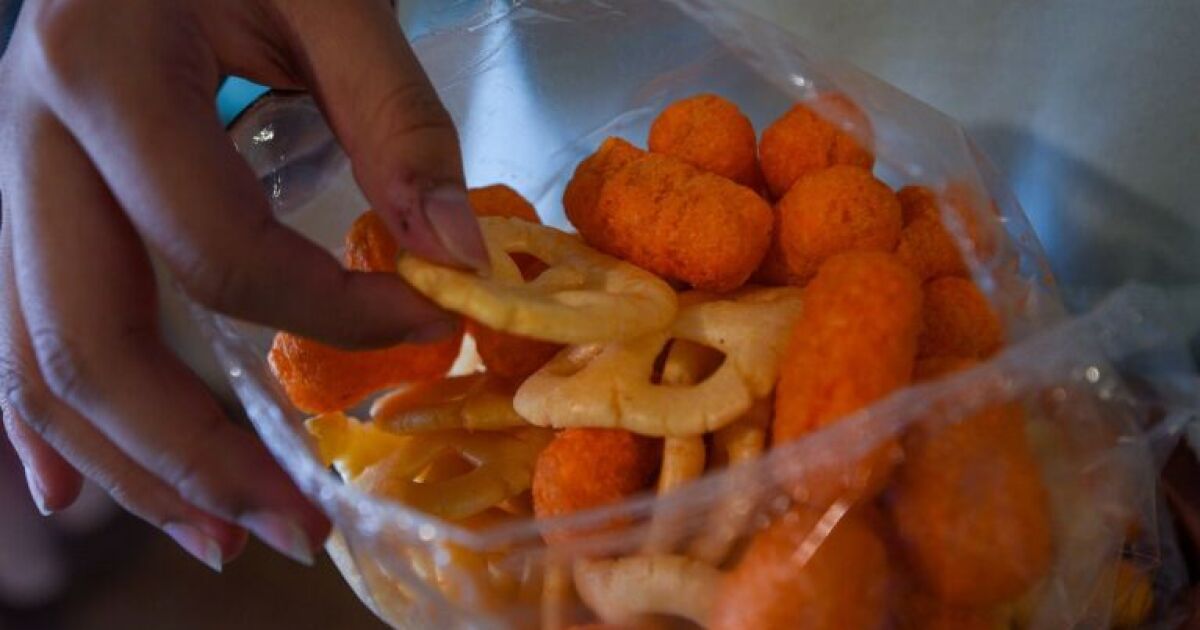
The report refers that from ultraprocessed foods and drinks comes 39% of the total energy intake of Mexican children in preschool age.
“These products can move more nutritious and healthy foods of the diet of young children, including breast milk, and increase the risk of all forms of malnutrition,” he warns.