The UNGRD announced works and programs for indigenous communities in the Sierra Nevada, prioritizing security and risk management.
The National Unit for Disaster Risk Management (UNGRD) announced an investment of $4 billion for the construction and maintenance of pedestrian bridges in indigenous communities of the Sierra Nevada de Santa Marta. The objective is to guarantee safe passage in areas considered high risk, especially in the face of conditions derived from climate change that affect the region.
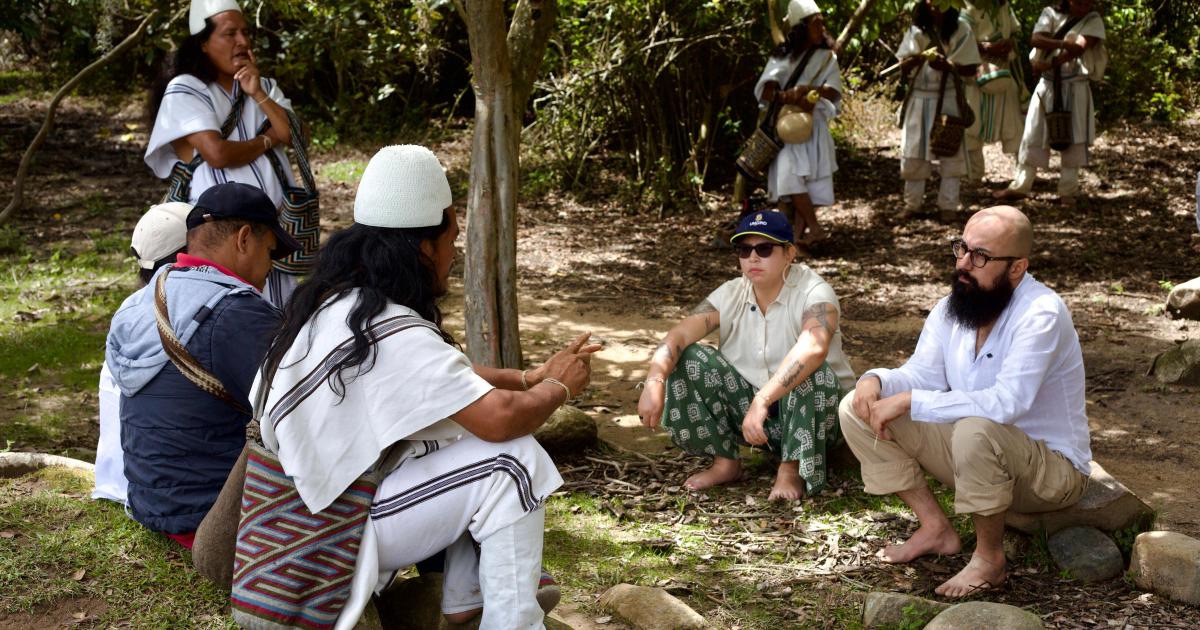
During a tour of Lost City, Nabusimake—capital of the Arhuaco people—and territories of the Kankuamo peoplethe director of the entity, Carlos Carrillo, held meetings with the traditional authorities of the indigenous peoples. In these spaces it was agreed a joint agenda to strengthen risk management and environmental protection in this area of high ecological and cultural importance.
You may be interested in: They attack the car of candidate Abelardo de la Espriella in Arauca
Carrillo highlighted the vulnerability of the Sierra Nevada to the effects of climate change and explained that the initiative seeks work with indigenous peoples to build joint solutions that safeguard life, territory and culture. The UNGRD will carry out technical visits to the points identified as critical and will structure an inter-institutional agreement that allows the execution and maintenance of pedestrian bridges.
In addition to the infrastructure, the Unit will implement training processes for indigenous firefighters with the purpose of strengthening local emergency response capabilities. The program will also be promoted Interwovenfocused on promoting the leadership of indigenous women and recognizing ancestral knowledge as an essential component in disaster prevention and risk management.
With these actions, the entity seeks bring institutionality closer to historically forgotten territoriesarticulating efforts with the communities to protect both human life and the natural balance of the Sierra Nevada de Santa Marta. The strategy is framed in the purposes of strengthening resilience and reducing vulnerability in one of the most emblematic and biodiverse regions of the country.
Source: Integrated Information System