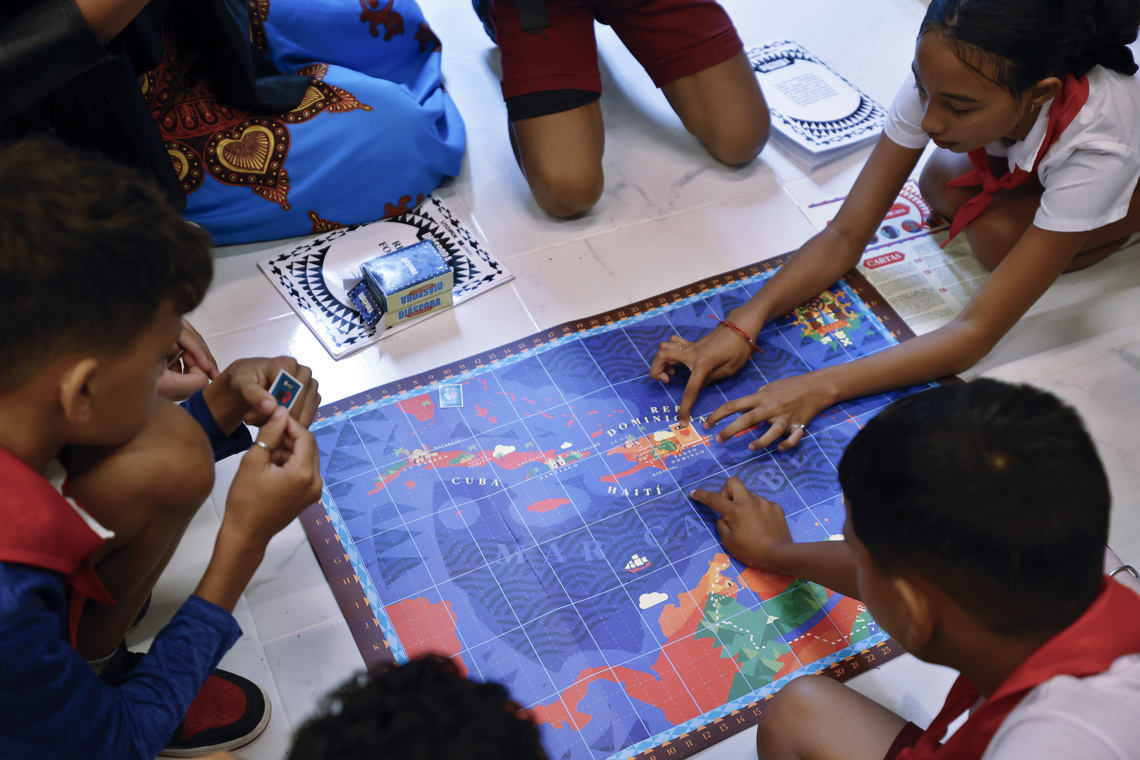
The UNESCO presented in Cuba a board game that aims to show young people and families from the island itself, the Dominican Republic and Haiti the influence and legacy of migration and African cultures in these Caribbean countries.
The project, named “African Diaspora”, was presented this Tuesday by the UNESCO Regional Office at the Africa House Museum, in Havana, refers to the agency EFEaccording to which the game is especially aimed at students and teachers.
At first it must reach more than a hundred schools in Cuba, the news office states.
The director of the Regional Office of Culture and Multinational Office for Cuba, the Dominican Republic and Haiti, Anne Lemaistre, highlighted the educational objective of the game during its launch.
The objective, he noted, is “to promote significant learning through playful dynamics, critical reflection, collaborative work and build a culture of peace and recognition of cultural diversity.”
“Great value” game
Lemaistre described this game as “historical material of great value” “inspired by African history, from the perspective of the citizens of the region and their descendants in the three Latin American countries.”
“Unesco’s ambition was to have the history of Africa after independence, told by African historians themselves. There are nearly 220 million people of African descent on the planet and we wanted to value these heritages,” he said.
“African Diaspora” consists of a box with cards, maps, questions and other tools with which players locate historical facts and discover characters and traditions of Afro-descendants from Cuba, the Dominican Republic and Venezuela, he explained.
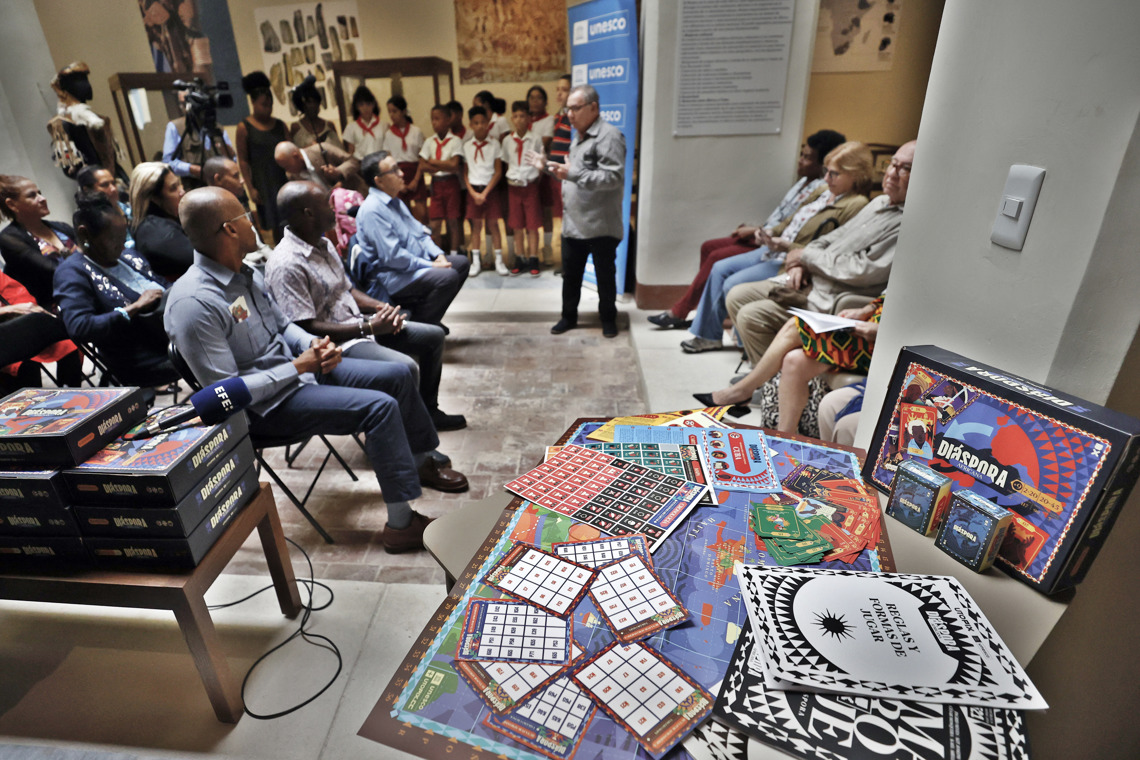
The diplomat expressed her conviction that “teaching history fosters skills and necessary critical thinking that favors empathy and dialogue.”
He added that “it also promotes peace education because it allows us to analyze processes of resistance and conflict resolution from a diverse perspective, preventing violence based on ignorance and racial stereotypes.”
According to UNESCO, some 12.5 million Africans were made slaves between the 16th and 19th centuries, of which between 4.5 and 5 million arrived in the Antilles. Currently, it is estimated that between 23 and 25 million people of African descent or black people live in the Caribbean.
EFE / OnCuba