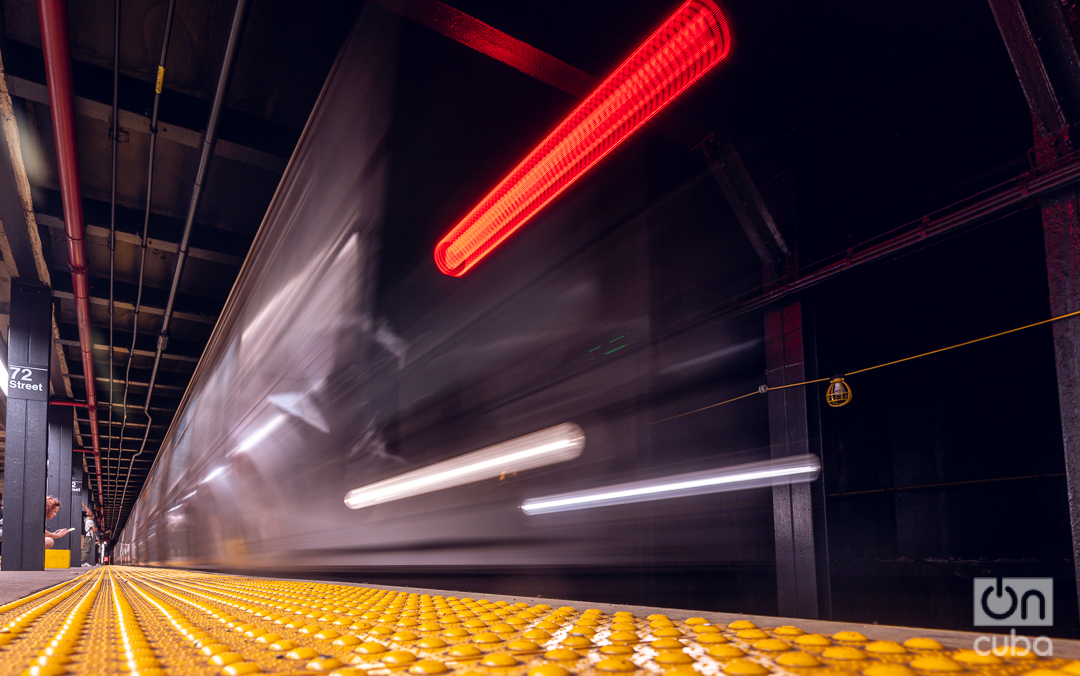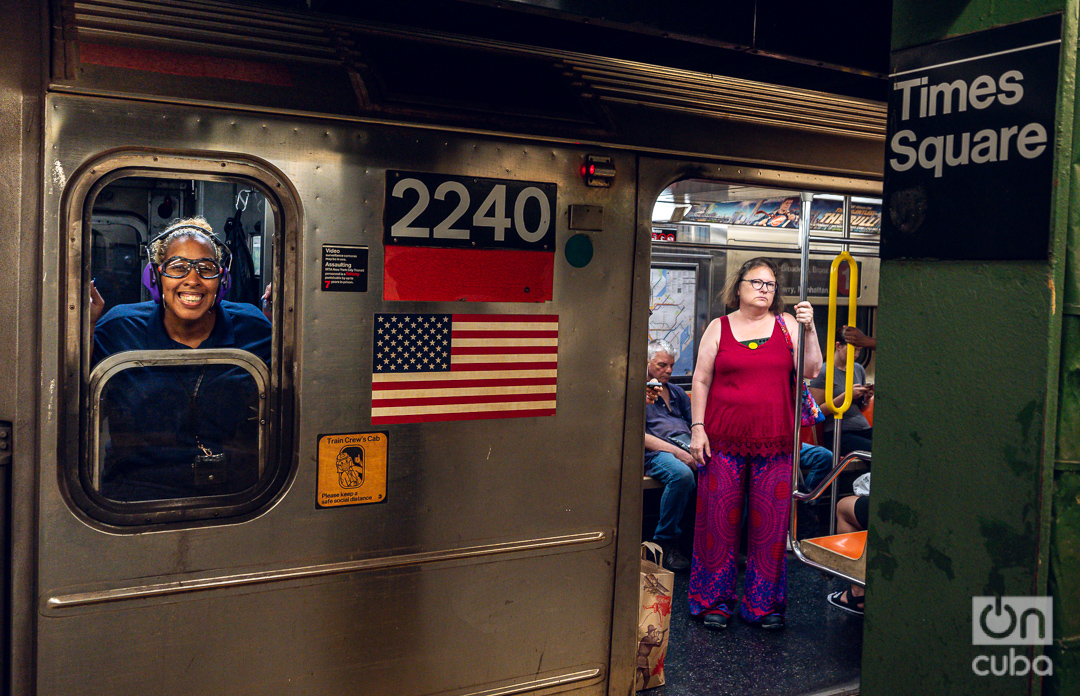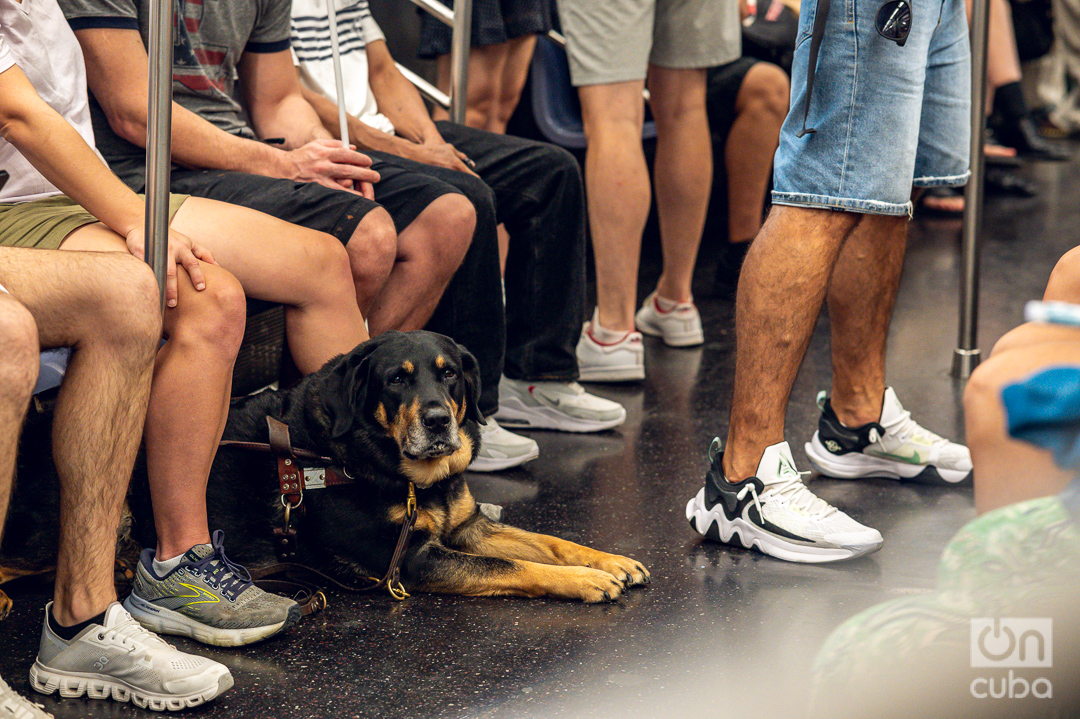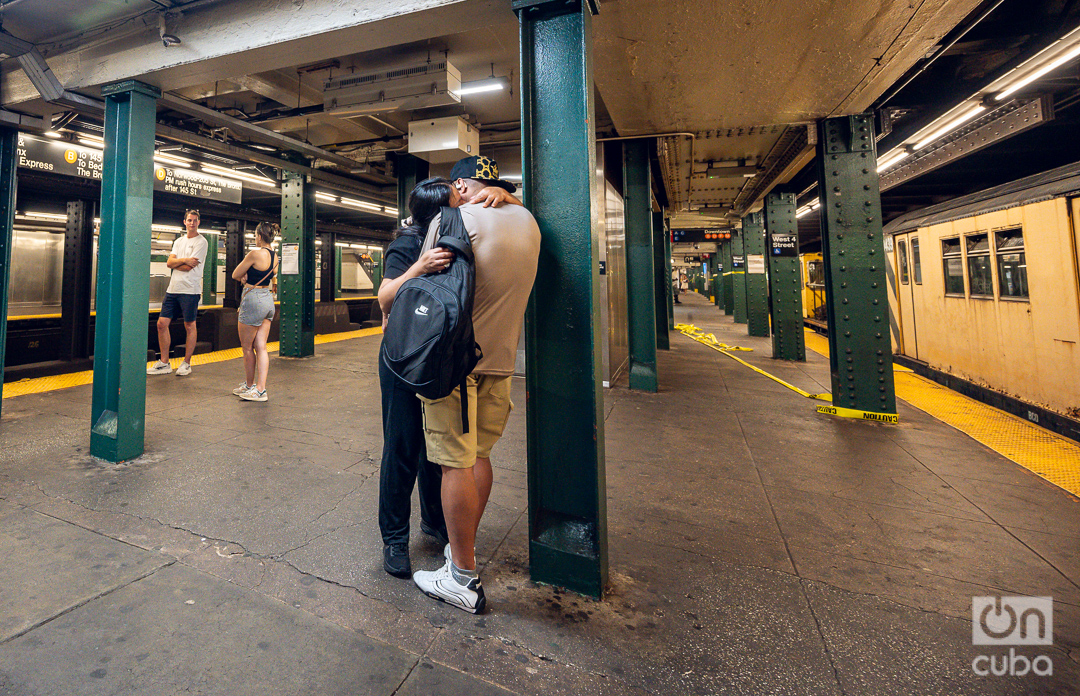
As a child, my New York Metro reference was not the famous plane where, as colored veins, tours and stations are drawn, but Ninja turtles. Those characters inhabited abandoned stations in that other mega hidden underground. Maybe that’s why, when I finally descended along the narrow ladder of one of his mouths and climbed a train, I made it wrapped in the fantasy of finding dark tunnels and secret corridors. What I discovered was more complex: an immense, contradictory and vital system, which beats at the same rhythm of the city that never sleeps.
I confess that I thought I would not be surprised. I live in Buenos Aires, where the subway is part of my daily routine, and before I had traveled in the meters of Barcelona, Santiago de Chile and São Paulo. However, a journey of just a few kilometers was enough to understand that it was in front of another dimension. Because it’s not just about rails and convoys that cross tunnels: the New York subway has its own life.
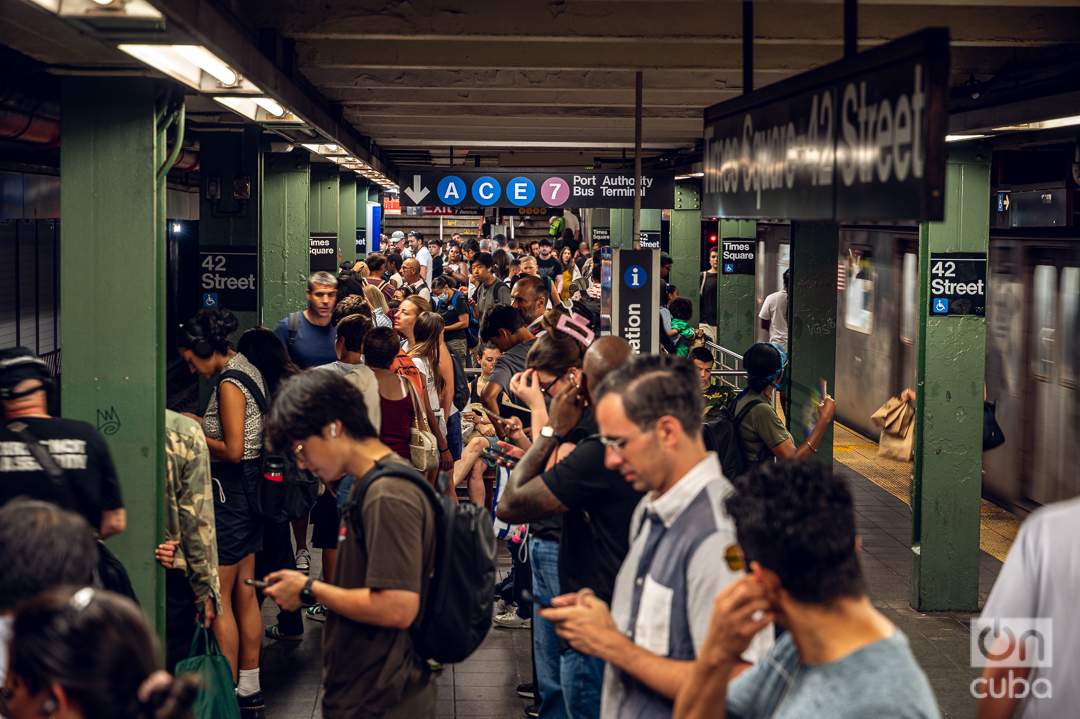
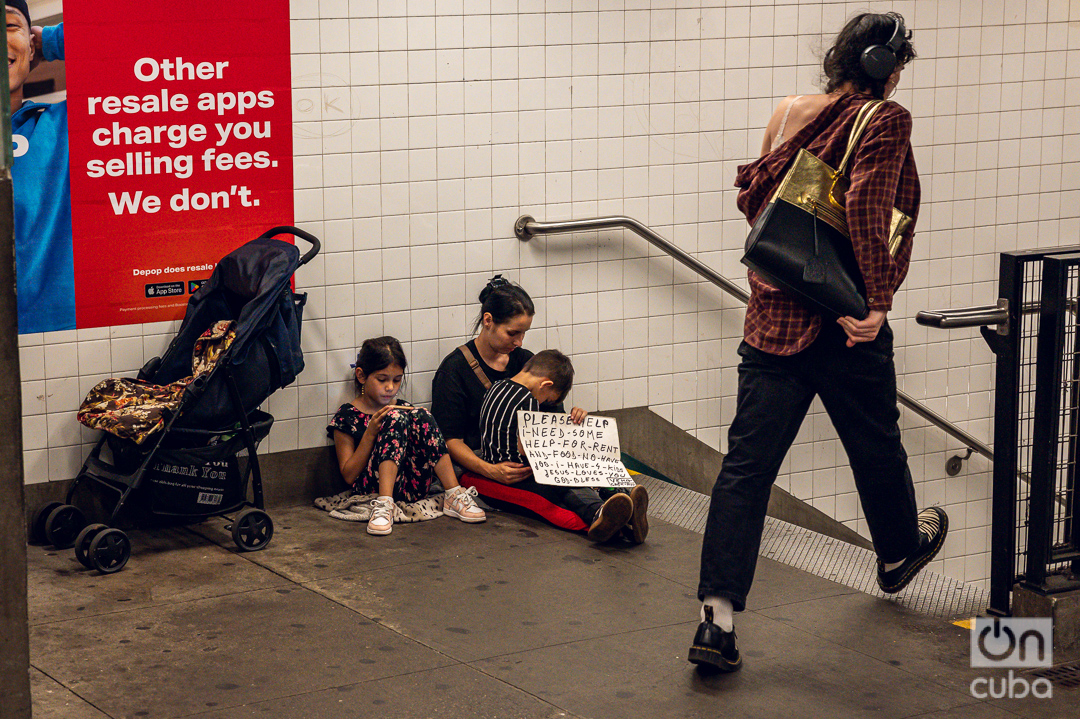
The figures confirm it: more than five million people use it daily. I lived it in my own flesh. Together, those who travel, forms a kind of improvised family. A couple of times a day, the car is transformed into shared home. There are mixed disoriented tourists, self -absorbed executives, retirees, people in street situations, migrant mothers, street vendors and street artists.
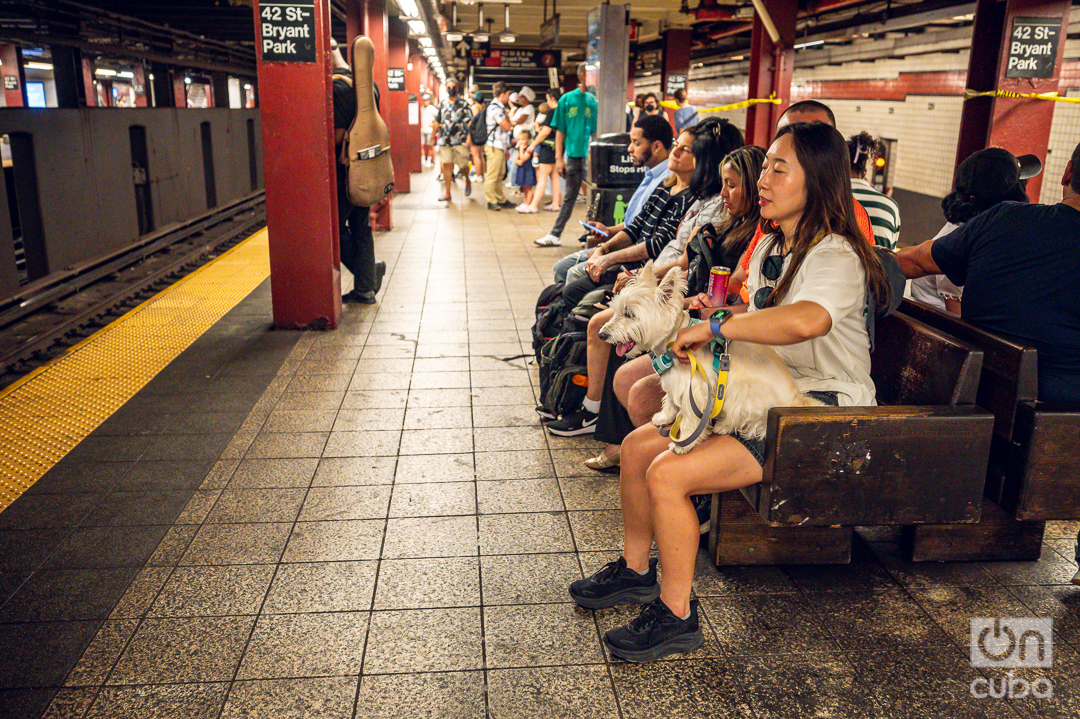
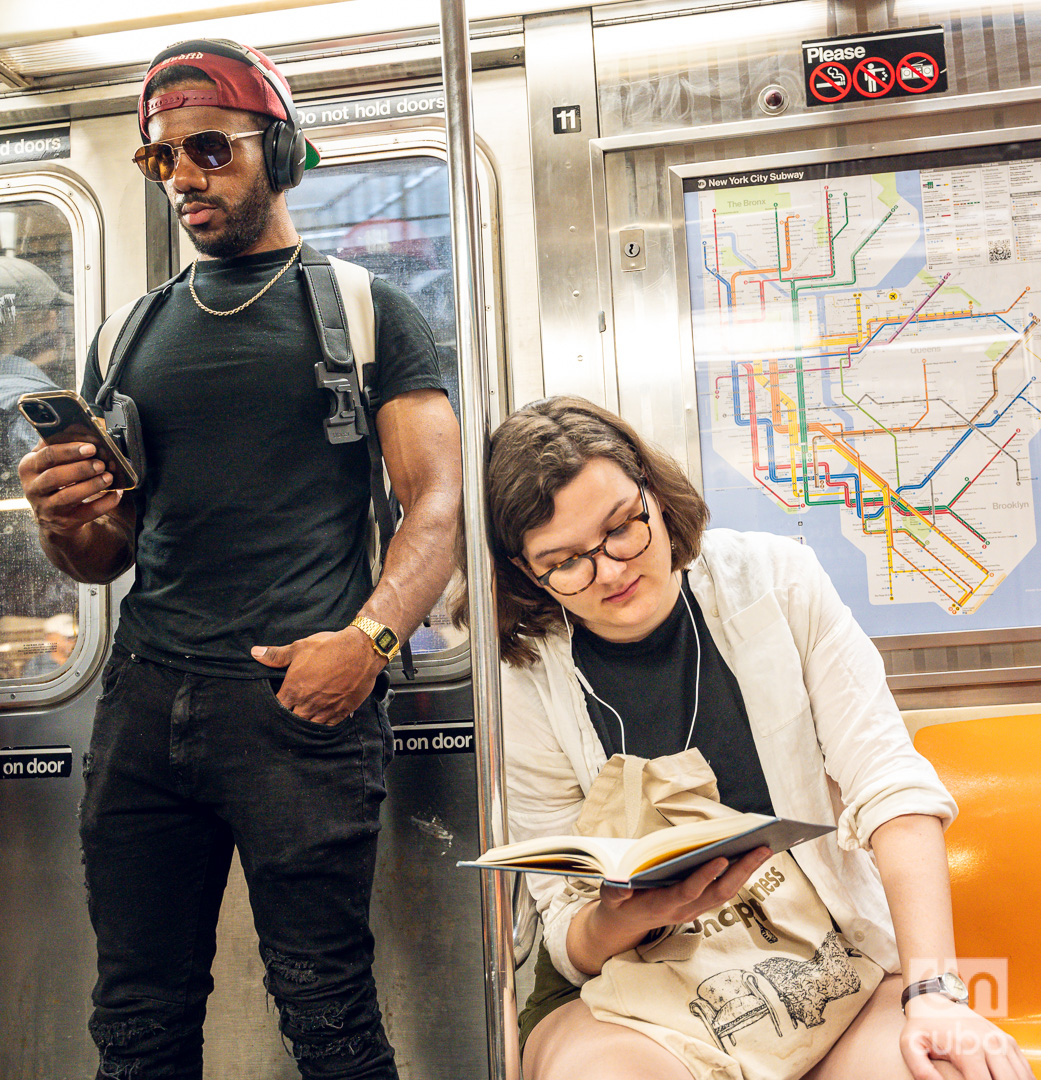
The experience combines the community with the hostile. There are gestures of spontaneous solidarity, such as when someone gives a seat, and scenes that remember the crudeness of the city: the constant presence of homeless or unbalanced people who roam.
The New York City Subway is the largest in the United States and one of the largest in the world. The first underground line opened in 1904, although there were already high trains that crossed the city. Today the network extends for more than 1,000 kilometers of main and secondary roads, with about 470 official stations, according to the Metropolitan Transportation Authority (MTA), which operates public transport in the region, including Metro, buses, near and bridge trains.
Manhattan, Brooklyn, Queens and the Bronx are connected by 27 services, including three short ferrets. Everyone passes through Manhattan, except line G, which joins Brooklyn with Queens without crossing the island. Each route has a color that identifies the section that runs in Manhattan, although there is an exception: the G Luce green, as if it resisted entering the financial heart of the world.
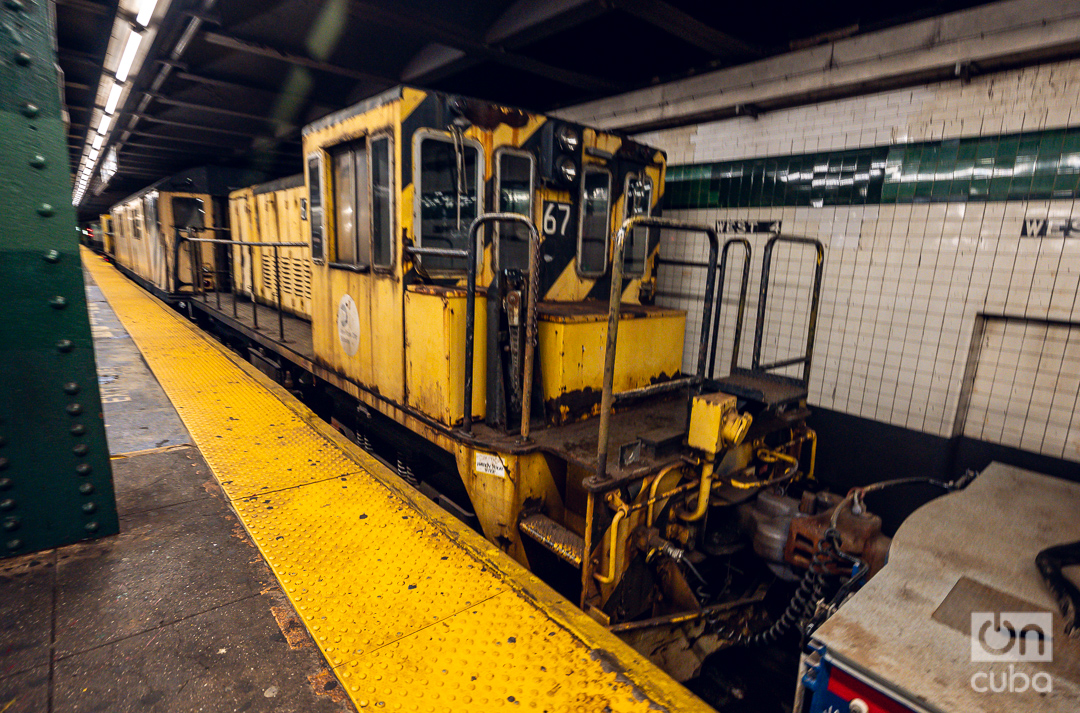
A typical station seems endless: platforms measure between 120 and 200 meters, enough for a train of up to eleven cars to stop. The routine is repeated: lower the stairs, pass through the ticket offices or machines, slide the metrocard or the cell phone and let go of the subsoil.
We remember little, while clinging to metal bars, that this iron and concrete monster was raised by immigrants, mostly Irish and Italians, who worked in extreme conditions. Manhattan’s rocky terrain forced to apply innovative techniques, such as the cut and cover method: open superficial trenches, install the tunnels and cover them quickly. This system allowed progress without compromising surface stability. The sacrifice of those workers beat still on each trip.
The subway is also the protagonist – or at least cast actor – in popular culture. Has appeared in films such as The Warriors (1979), Saturday night fever (1977), Ghostbusters 2 (1989), Ghost (1990) or Godzilla (1998). His corridors and cars bring to these plots an aura loaded with mystery and danger.
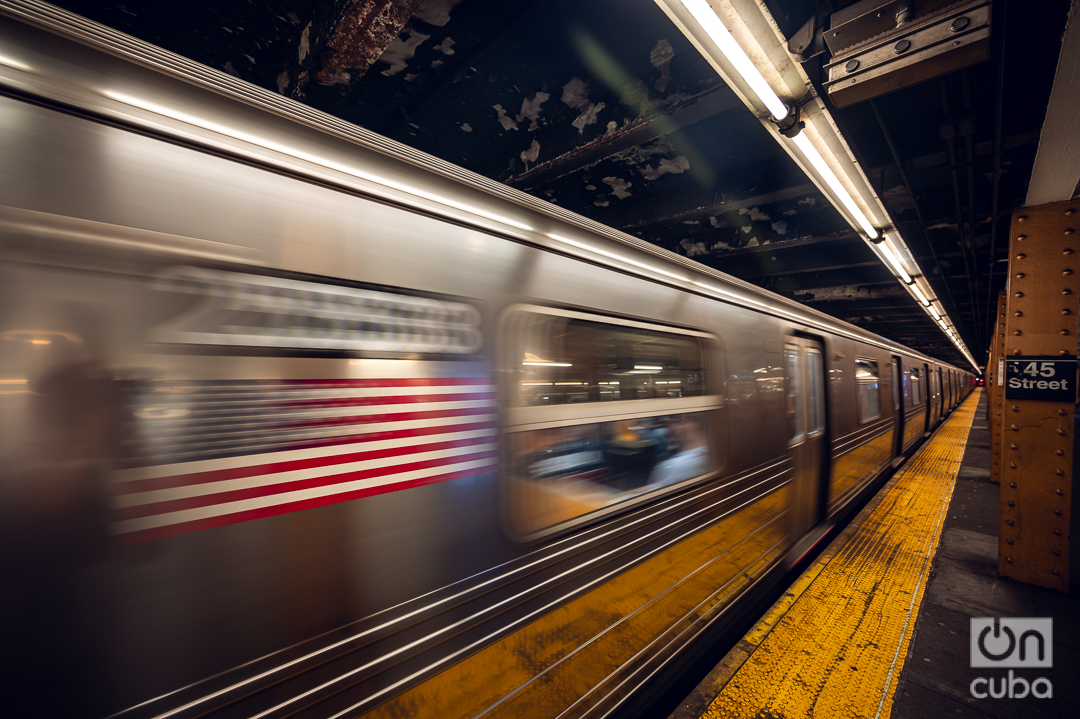
Even in scenes that do not occur in the subway, it filters in history. Billy Wilder demonstrated it in The entry of the seventh yearWhen Marilyn Monroe let the hot air of a train running her dress in full Manhattan. The New York subway, invisible under the asphalt, gave away one of the most iconic images of cinema.
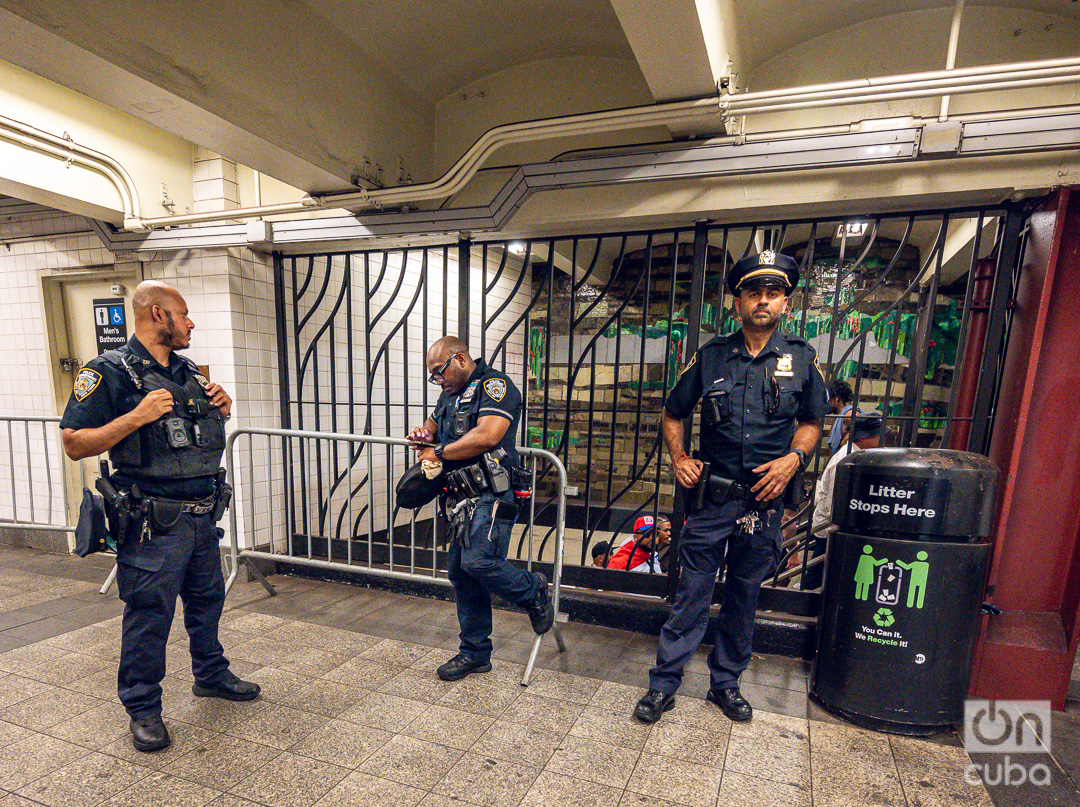
Of course not everything is shine. The system has been dragging signals of deterioration for decades: graphite cars, dark stations, frequent delays and an environment where the marginal emerges. Since its inauguration and for 44 years, the passage cost just five cents. In 1948 he went up to ten, and today the trip costs $ 2.90. The price is unique, regardless of the amount of stations traveled, a detail that makes the difference in an unequal city. Thus, those who live in peripheral neighborhoods and travel longer journeys do not pay more than those who travel short distances in Manhattan. One way, perhaps, to balance opportunities.
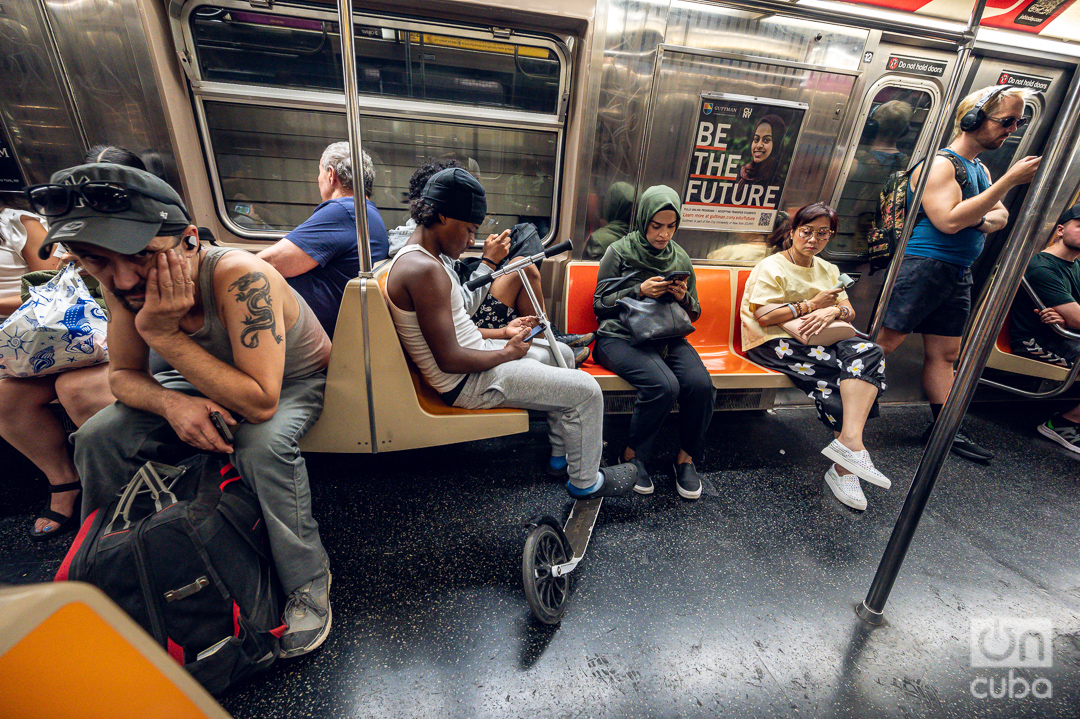
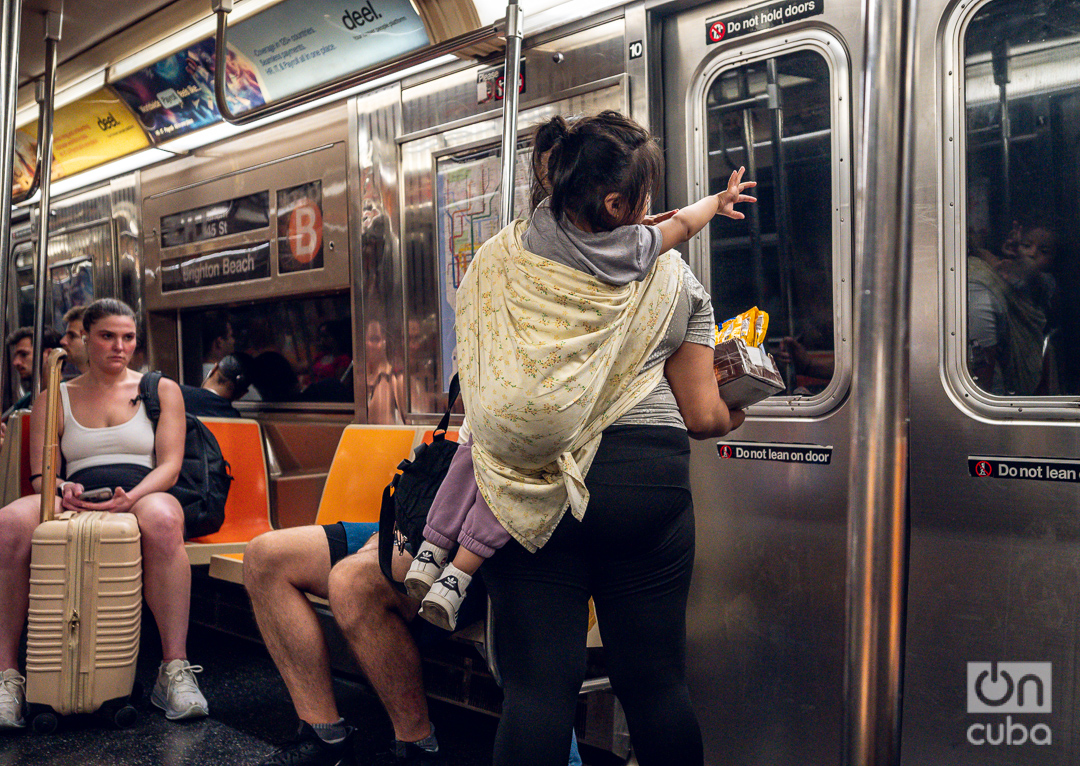
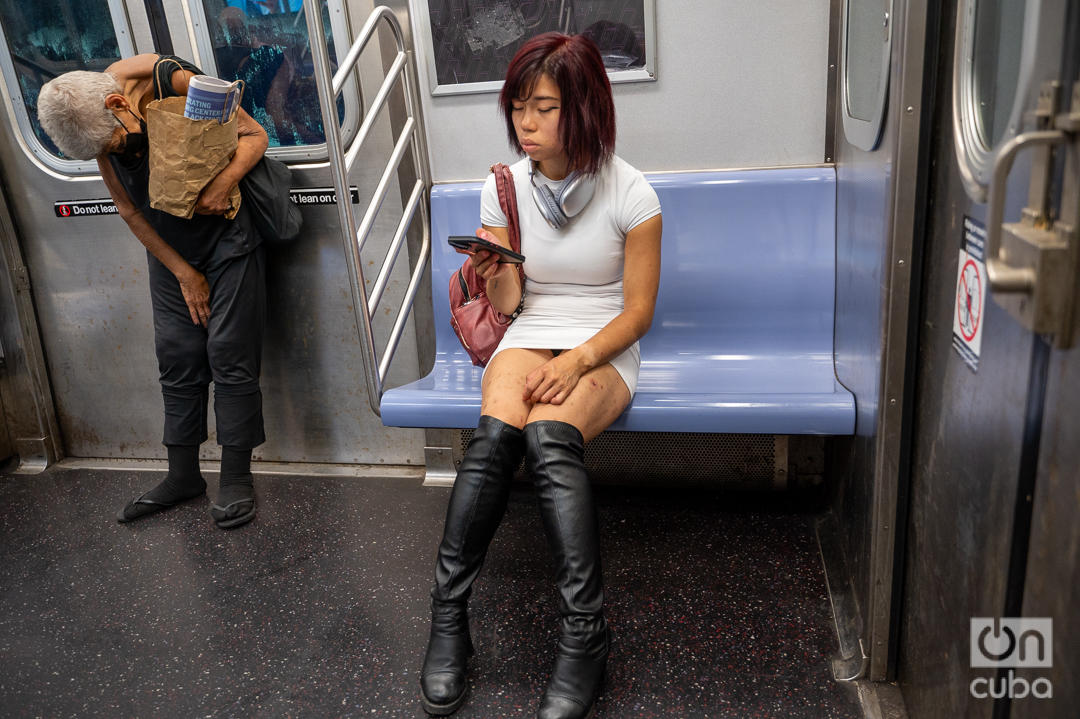
The New York Metro is more than a transport: it is the synthesis of the city. It contains their diversity, their contrasts, their excesses and their creativity. It is shelter and stage, hell and paradise.
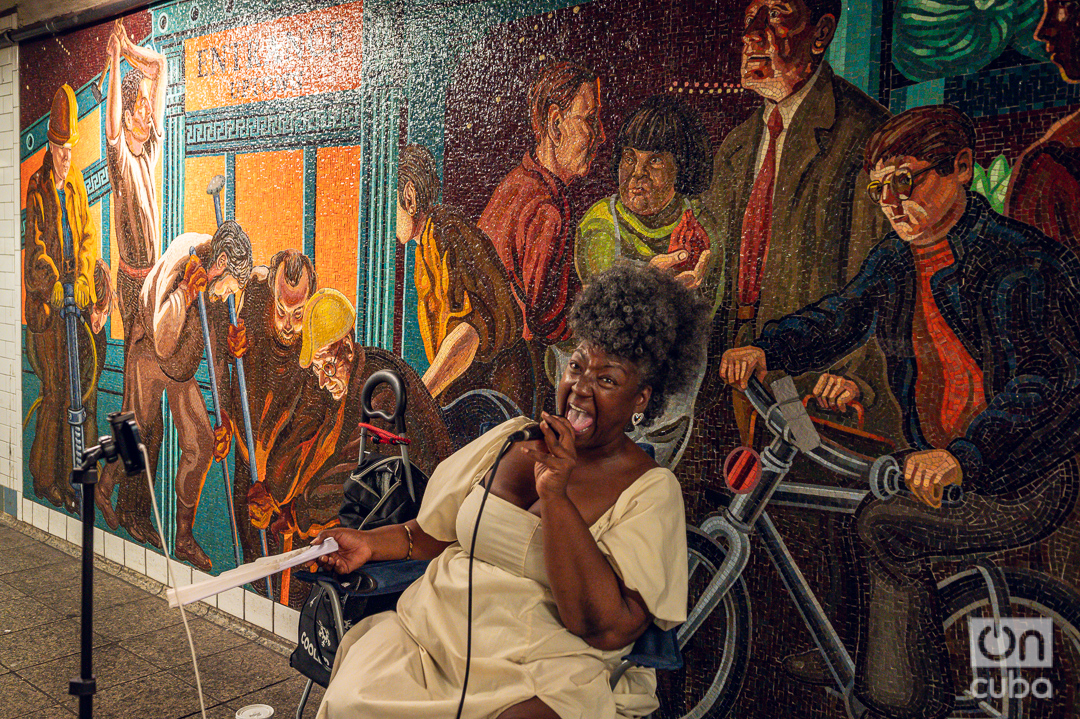
Underground, in that metallic monster that never closes, the lives of millions are reflected. And I, who once imagined finding Ninja turtles in their tunnels, ended up photographing underground scenes of a city.