Saint Dominic. The United Nations Environment Assembly (UNEA-7) approved the resolution on the sargasso titled “Strengthening the global response to the massive influx of sargassum blooms”presented by Dominican Republic with the co-sponsorship of Barbados and Jamaicamarking a milestone in collective efforts to confront one of the greatest environmental threats affecting the Greater Caribbean.
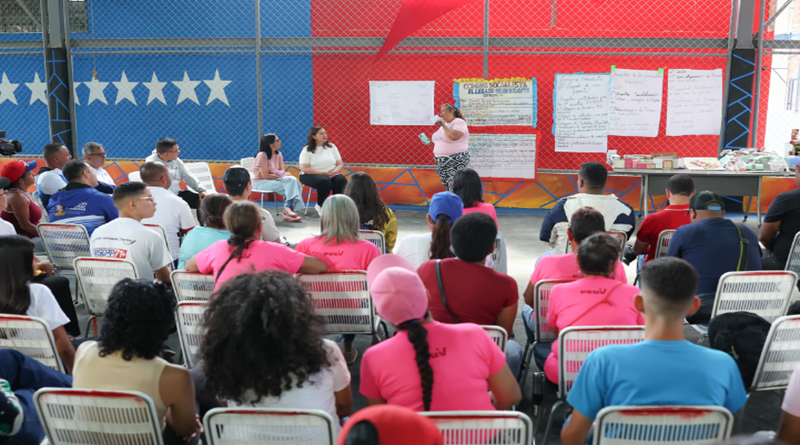
Dominican diplomacy achieved a significant achievement with the adoption of this resolution, which constitutes the first global initiative on sargassum approved by UNEA and the first resolution presented by the Dominican Republic before this organization. The text was approved on Thursday December 11during the seventh session of the United Nations Environment Assembly, held in Nairobi.
The resolution was actively promoted by the Dominican Republic, which played a key role in the negotiation process, facilitating consensus and articulating the interests of the countries most affected by the massive influx of sargassum.
The head of the Dominican delegation and lead negotiator, Claudia TaboadaMinister Counselor at the Permanent Mission of the Dominican Republic to the United Nations in Geneva, highlighted that this result is the result of a sustained effort of more than four years to position the sargassum issue in the global environmental agenda.
“Although the final text does not fully reflect our initial ambition, it represents a decisive step. It is the country’s first resolution before the UNEA and the first global resolution on sargassum,” said Taboada.
The text of the resolution recognizes that the massive sargassum blooms constitute a problem serious and growing environmental and socioeconomicwhich disproportionately affects the Greater Caribbean and West Africa. Likewise, it warns of its severe repercussions on the tourism, the economy and sustainable development, marine biodiversity, fishing, coastal livelihoods and the public health.
The resolution also emphasizes that the sargassum phenomenon represents a emerging challenge for other regions of the worldexpanding its relevance beyond the Caribbean.
As part of the commitments assumed, the UNEA requests the executive director of the United Nations Environment Program (UNEP) the elaboration of a comprehensive report to evaluate existing initiatives related to sargassum. In addition, the call for a high level meeting to analyze its conclusions and strengthen the international cooperation facing this phenomenon.
With this resolution, The Dominican Republic is positioned on the front line of the global response to sargassumtransforming a recurring threat to its coasts and its economy into a cause shared by the international community.
The initiative opens the door to greater scientific research, access to financial resources and regional and international cooperationsending a clear and forceful message: The Greater Caribbean is not alone in the fight against sargassum.
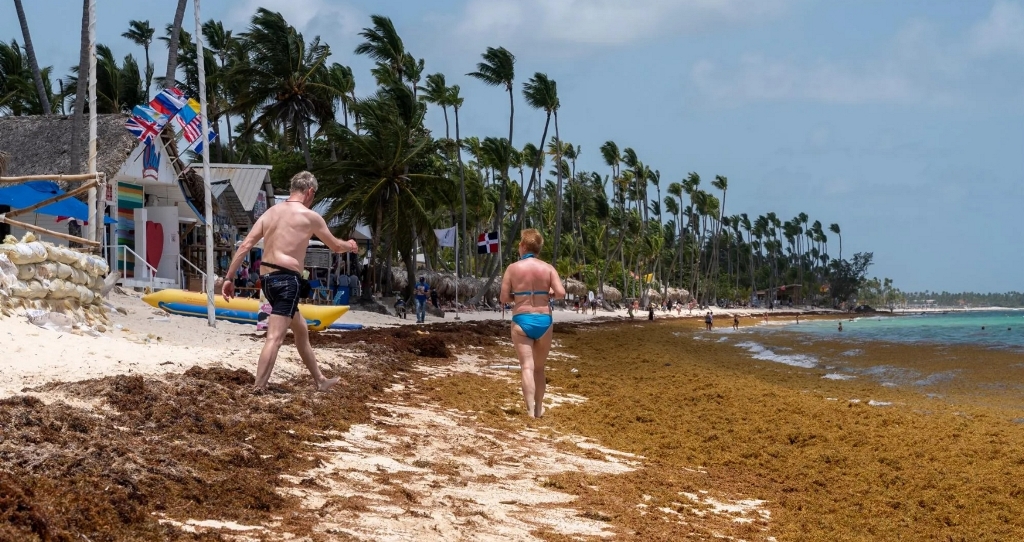
Effects of sargassum
—Tourism sector
Sargassum considerably affects Caribbean nations, with a negative impact on tourism, forcing hotels to spend millions of dollars monthly on collection and causing negative reviews.