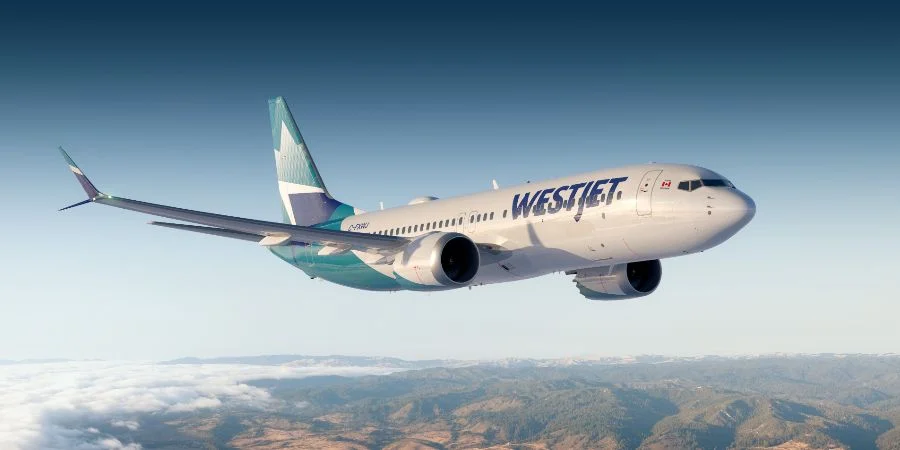
WestJet and AirTransat join Air Canada, the largest airline in the North American country.
MIAMI, United States. – The airlines WestJet Airlines and Air Transat announced the temporary suspension of their flights to Cuba due to the shortage of fuel for aircraft on the Island, a decision that is added to the immediate stoppage of operations communicated this Monday by Air Canada.
The measure comes after Cuban authorities warned that airlines would not be able to refuel at the “José Martí” International Airport in Havana for at least a month.
According to BloombergWestJet (Canada’s second largest airline) and Air Transat had initially said they would maintain their operations through contingencies, including the possibility of making technical stops for refueling outside Cuba. However, both companies changed their position at the last minute this Monday and opted to suspend flights due to uncertainty about the supply of fuel at Cuban airports.
WestJet reported that it had already begun to reduce its operations and that it was sending empty planes to repatriate customers who were on vacation on the Island. According to the statement cited by Bloombergthe airline assured that “all planes sent to Cuba will carry enough fuel to leave safely without depending on local fuel availability.”
Air Transat, for its part, announced the suspension of “all flights to Cuba until April 30” and noted that it was organizing the return of its customers to Canada, in addition to offering flexibility to those who had booked previously, according to Bloomberg. In its public notice to travelers, the company specified that the suspension will remain “until April 30, 2026” due to the fuel shortage announced by Cuban authorities and that it will directly contact affected customers.
The Cuban authorities they communicated that they could not supply aviation fuel at nine international airports—including the main one in Havana—“from Tuesday until March 11,” in the context of the most serious energy crisis that the country has ever gone through.
The suspension of Canadian airline flights hits a key flow for the Cuban tourism industry. Even the Government of Canada updated its travel recommendation and asked for “extreme caution” when visiting Cuba due to the “worsening lack of electricity, fuel and basic necessities, such as food, water and medicine.”
The episode occurs while Washington increases pressure on Havana in the energy field. On January 29, 2026, the White House reported that President Donald J. Trump signed an executive order declaring a national emergency and creating a process to impose tariffs on goods from countries that “sell or provide” oil to Cuba. Reuters also reported that tariff threat associated with a presidential decree under an emergency declaration.
We use cookies to ensure that we give the best user experience on our website. If you continue to use this site we will assume that you agree.