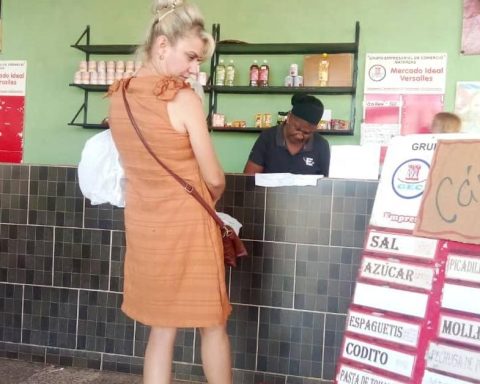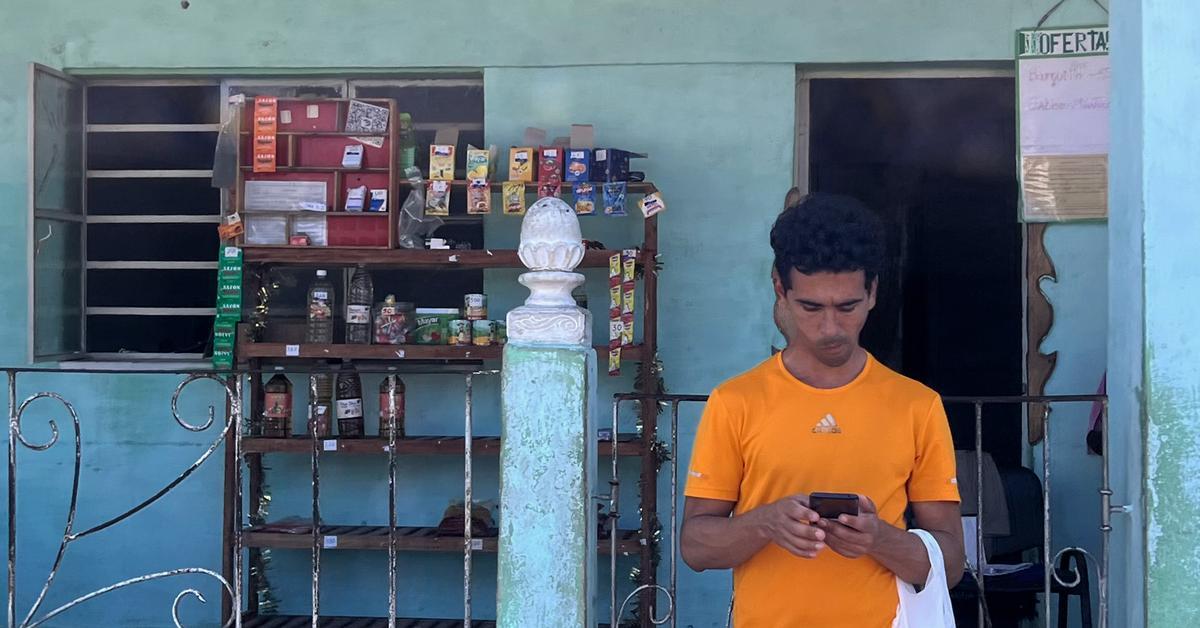
Havana/Alejandro, owner of a MSME in Regla, has been fined 40,000 pesos in less than a week. Their “market” was one of the few businesses in the area that still dared to sell basic necessities – chicken, oil, sausage, powdered milk, pasta and detergent – which since July 2024 have had “agreed” prices – that is, capped – but which the current crisis makes impossible to maintain.
“Last week, people came from all over the municipality looking for oil, because they don’t sell it anywhere. I had it for 1,300 pesos per liter, and its maximum price is 990. But how much am I going to sell it for, if the suppliers sell it to me at an even higher price?” says Alejandro, who prefers to use another name for this report.
The price of the dollar in the informal foreign exchange market did not exceed 400 pesos when the Government imposed, more than a year and a half ago, this limit on six products that it considered essential. Today, while the currency already exceeds 500 pesos at the unofficial exchange rate and the Central Bank of Cuba sets the rate above 460 pesos, the resolution to control prices, far from benefiting the population, has led to corruption and business shortages.
“They are expensive products, but at least I had them. Let’s see now where they can find oil for 990. That doesn’t exist”
“I made the decision to no longer sell any unused products, like the rest of the businesses do. Beer and candy: that’s how I get those gangsters off my back. I’m screwed, but the population is also screwed. They are expensive products, but at least I had them. Let’s see now where they can find an oil for 990. That doesn’t exist,” says Alejandro, annoyed.
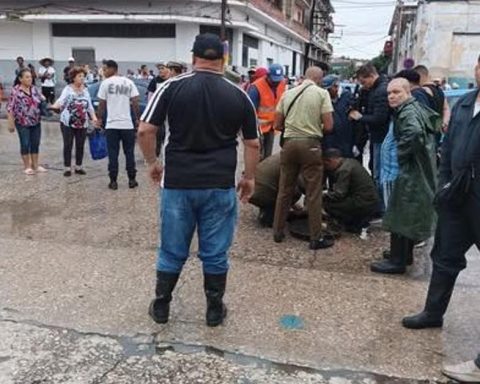
His decision, according to him, is due to the fact that in one week he had four inspections. “The Municipal Directorate of Inspection, Hygiene, Finance and Prices came… and they all fined you for the same thing: what if the prices were capped, what if the profit margin, etc. The worst thing is that two or even three inspectors come together, and you have to give each one their share. That’s another: you give them something, whether in cash or products, so that they can fine you 8,000 pesos and not 16,000 or so. 32,000 pesos. I swear I feel defenseless, at the mercy of a gang of gangsters. My business is in jeopardy right now because of them.”
/ Image taken from social networks
The Administration Council of Plaza de la Revolución, boasting of “zero tolerance for Indiscipline and Illegalities”, posted a few days ago on his Facebook profile the fine to a business for a sum of 383,000 pesos. Among the infractions committed are not exposing prices to the public, using markups and not having cost sheets or the papers required for marketing. In it post Photos of some prices of the business were shown, in which it could be seen that the oil cost 1,000 pesos. Most of the comments, jokingly, asked where this MSME was, because the prices were lower than the current market.
“My theory is that these people live a parallel reality. Who can afford those prices today? Either they are oblivious to everything – which I don’t believe, because later you see them buying the same oil and the same sausage for 500 pesos – or they are cynical and have already normalized that level of audacity,” says Alejandro.

/ 14ymedio
In a note published this Monday by the provincial newspaper of Ciego de Ávilathe author denounces that, in many situations, the merchant openly admits that the price of the tablet is only to appear that the regulations are complied with, but if you want the product you have to pay more.
Meanwhile, something very different is happening in the state supermarkets selling in dollars, such as 3ra and 70 or Casalinda. In them, a liter of oil can cost up to $3.55, which, at the exchange rate – whether formal or informal – far exceeds the imposed limit. “What are inspection institutions for? To help the population or to keep private businesses out and control them?” Alejandro laments. “They forget that with this ‘zero tolerance’ policy, very soon they will be left with nothing to control.”