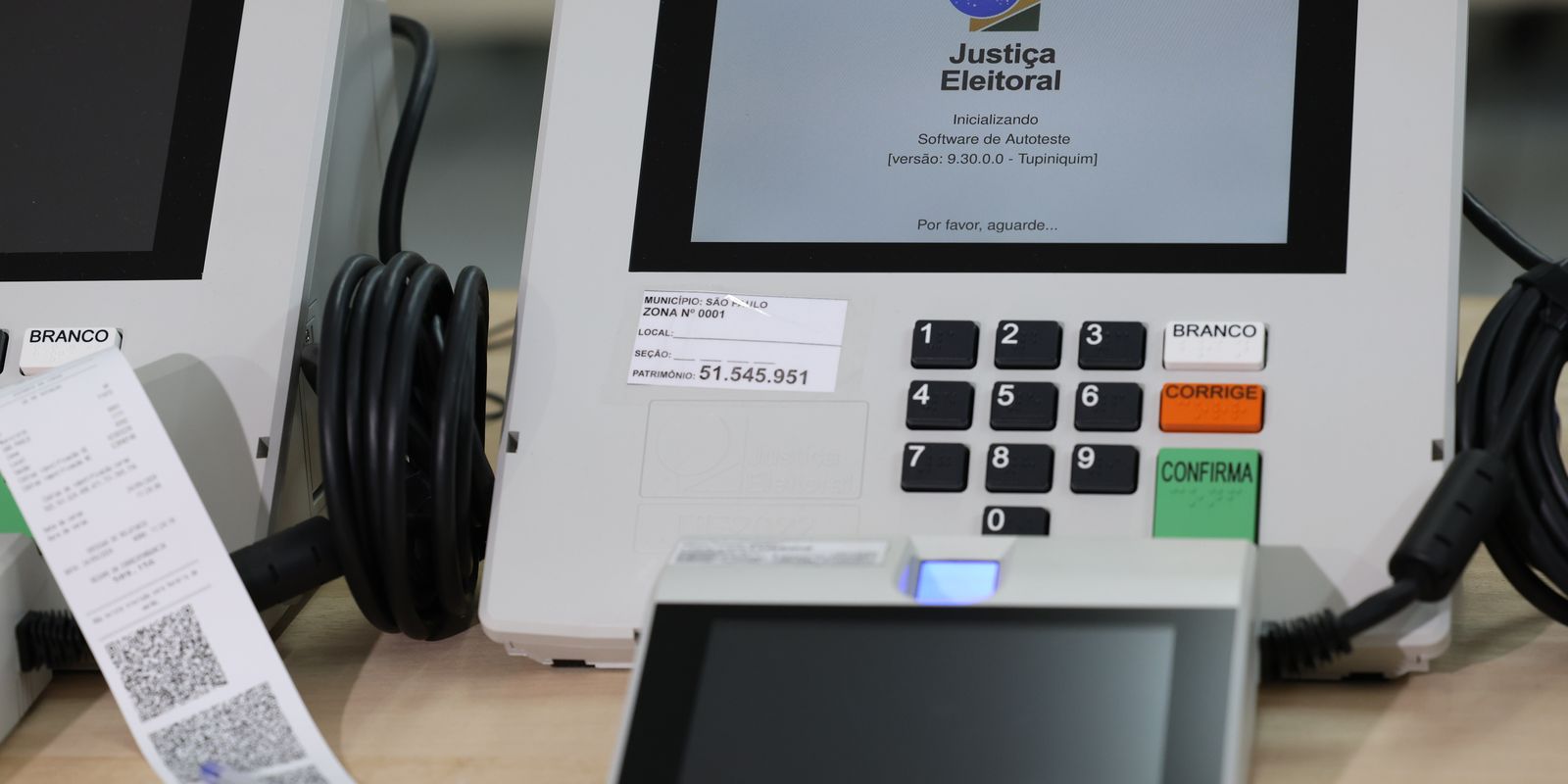
This week, the Superior Electoral Court (TSE) published 12 minutes with proposed changes to the rules for the 2026 Elections. The changes deal with the electoral calendar, pre-campaign demonstrations, electoral polls, criteria for distributing electoral resources and responsibility for removing digital content that attacks the electoral process, among other topics. 
Since Monday (19), any citizen or entity that wants to give their opinion on the rules for the 2026 Elections can use a electronic form to send contributions. Suggestions will be received until January 30th.
After the deadline, the TSE must select the best proposals to be presented in a series of public hearings scheduled between the 3rd and 5th of February. For the Elections Lawthe TSE plenary has until March 5th of the election year to debate and approve all the rules.
>> Follow the Agência Brasil channel on WhatsApp
As determined by the Constitution, the first round of the 2026 Elections will take place on October 3, the first Sunday of the month, and the second round will take place on October 31, the last Sunday. This year, voters must vote for president, governor and senator, as well as federal, state and district deputies.
>> Check out the 12 draft electoral resolutions for 2026 on the TSE portal.
Social networks and AI
As usual, the draft electoral resolutions were signed by the vice-president of the TSE, a position currently occupied by minister Nunes Marques.
Among the main suggestions is increasing the responsibility of social media platforms for content that promotes attacks on the electoral process. The minister proposed that provider companies be obliged to remove publications from the air even without judicial authorization.
Under the current rule, which was valid for the last municipal elections, social media service providers could only be held responsible if they failed to comply with any court decision. Nunes Marques proposed increasing the rigor against this type of content.
The minister, however, left the rules on the use of artificial intelligence during the campaign unchanged. In 2024, the TSE approved a series of rules for the use of AI in electoral propaganda, including prohibiting the so-called deep fake ─ content manufactured in audio, video format or a combination of both and that has been digitally generated or manipulated to create, replace or alter the image or voice of a living, deceased or fictitious person.
>> Understand the rules for using AI in elections.
Pre-campaign
The minister also included new exceptions for the behavior of candidates in the pre-campaign. He proposed, for example, releasing the lives on social media profiles of pre-candidates does not constitute an advance campaign, although making it clear that live broadcasts cannot ask for votes or mention the candidacy itself.
He also proposed clearer rules to exempt natural persons for criticisms made of the current public administration, even if carried out by hiring online advertising, “as long as elements related to the electoral dispute are absent”, wrote the minister.
The proposal signed by Nunes Marques allows spontaneous demonstrations “in university, school, community or social movement environments, with those responsible for possible abuses being held accountable under the terms of the law”. The exception would only be valid if the presence of the pre-candidate at the venue or the event has not been financed, directly or indirectly, by pre-candidates, pre-candidates, parties or federations.
In relation to campaign financing, Nunes Marques suggested, for example, that parties can change the criteria for distributing resources until August 30, as long as the change is justified. Such criteria must be approved by the majority of the national directory of acronyms.