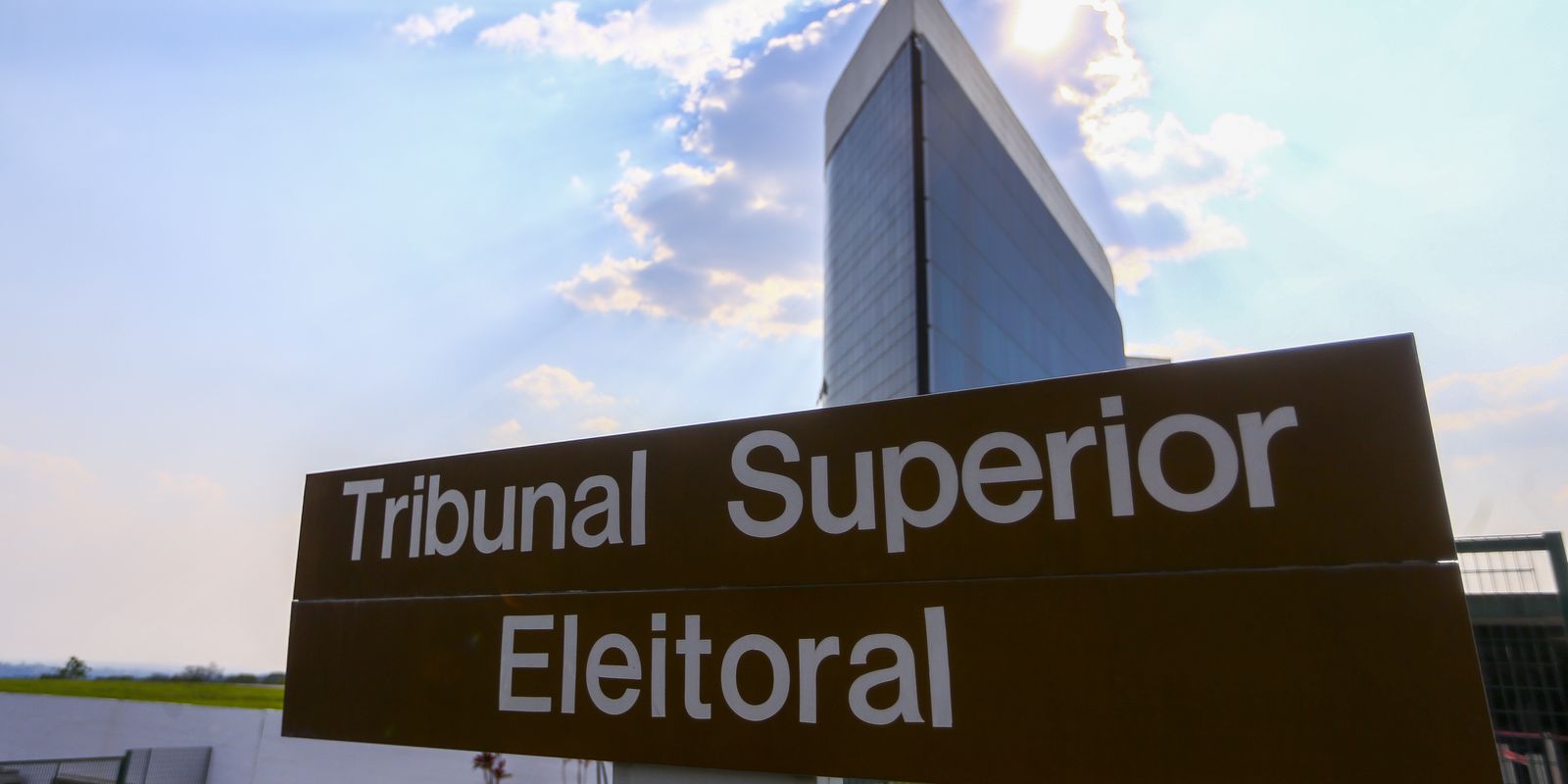
The Superior Electoral Court (TSE) approved this Monday (2) the rules on the use of artificial intelligence (AI) during the general elections in October this year. The rules apply to candidates and parties.
Unanimously, the court decided to prohibit posts on social media of modified content within 72 hours before the election and 24 hours after the vote.
The restriction applies to modifications with the image and voice of candidates or public figures. The first round is scheduled for October 4th.
The rules were defined with the approval of several resolutions that will guide the election, in which the President of the Republic, governors, senators, federal, state and district deputies will be chosen.
Ministers also prohibited AI providers from allowing, even if requested by users, suggestions of candidates for voting. The objective is to avoid the interference of algorithms in the free choice of voters.
To combat digital misogyny, the TSE banned posts on social media with montages involving candidates and photos and videos with nudity and pornography.
The Electoral Court also reaffirmed that internet providers could be held responsible by the courts if they do not remove false profiles and illegal posts from their users.
Freedom of expression
To avoid episodes of censorship that occurred in previous elections, the ministers decided to allow, during the pre-campaign period, spontaneous demonstrations on political content in university and school environments and in social movement spaces.
It was also guaranteed that candidates will be able to leaflet in streets, parks and squares, as long as the mobility of the population in the spaces is guaranteed.
Last week, the TSE approved seven more resolutions on the elections. The texts deal with the dissemination of electoral surveys, transportation of voters, fundraising, accountability, as well as changes to voter registration.