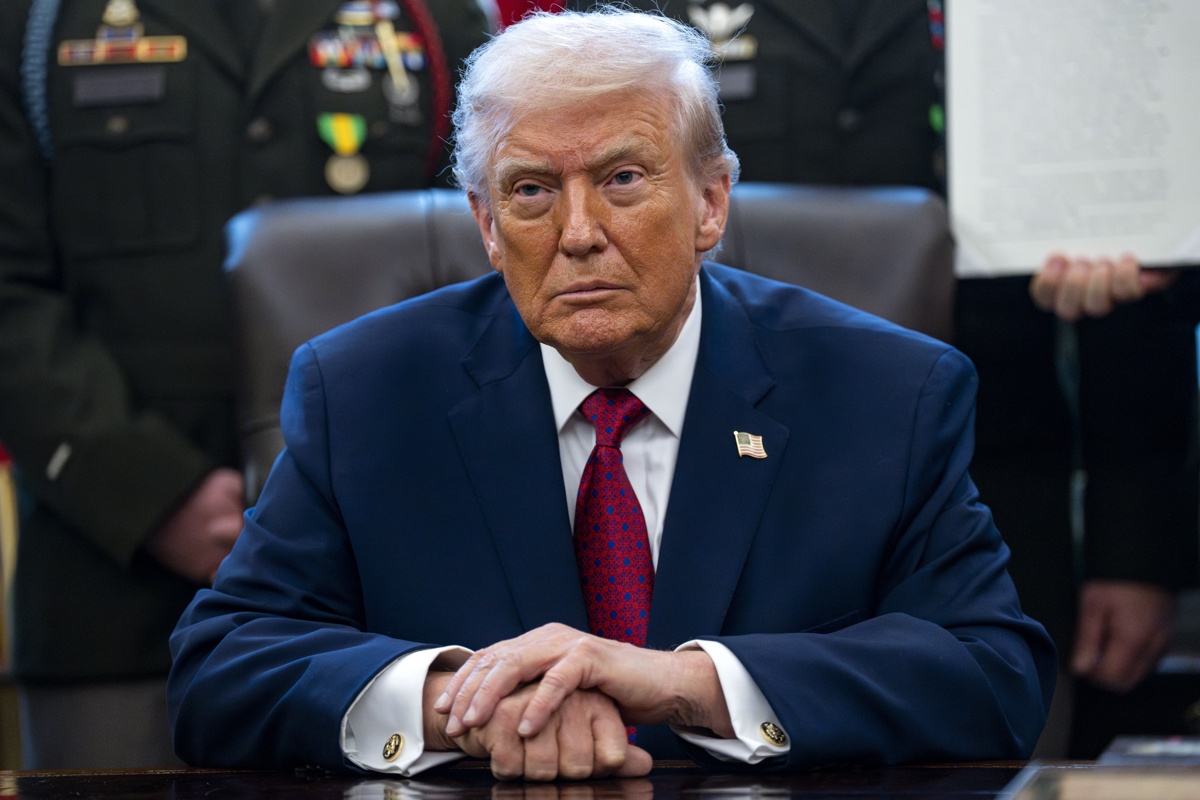
US President Donald Trumpannounced a “total and complete blockade of all sanctioned oil tankers entering and leaving” Venezuelaa strategy that, according to analysts, aims to be selective and is part of the Washington’s growing pressure on the country to access not only the raw but to their other natural resources.
trump did not detail how many oil tankers would be affected and argued that its objective is recover the oil which, as he said on Wednesday, Venezuela took from American companies.
Caracasfor its part, guaranteed the compliance with its crude oil export commitmentswhose main destination China and other Asian countrieswith about 700,000 barrels shipped daily.
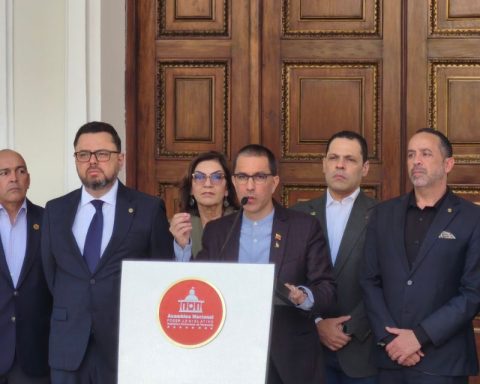
The United States applies “economic pressure for resources and interests that support the North American economy”the president of the Venezuelan Association of Small and Medium Petroleum Industry (Petropymi), Reinaldo Quintero.
“Venezuela – he added – has a resource that was certified as the first oil reserve on the planet and the United States is the first oil consumer on the planet.”.
In this context, Quintero considered “obvious” that is not being talked about “of the fight for democracy or equality or anything like that”but “of geopolitics”.
Tension in the Caribbean
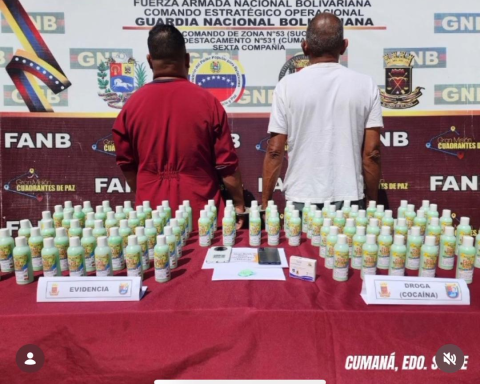
Trump’s words have as a backdrop the naval and military deployment that the United States ordered since last August in the Caribbeanunder the pretext of combat drug traffickingbut what Caracas denounces as an operation for regime change.
In another chapter of the tension generated in this areaWashington seized the ship Skipper last weeksanctioned in 2022 and which on this occasion was sailing with false flag and Venezuelan crude oil.
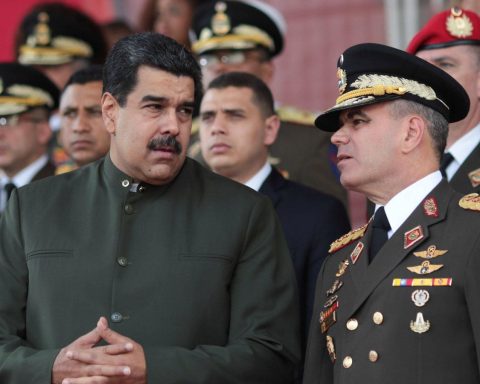
The White House also announced a new round of sanctions which included three nephews of Cilia Floreswife of Nicolas Maduro.
For Ripewith the blockade announced by Trump “revealed” the “truth” of what the United States is looking for.
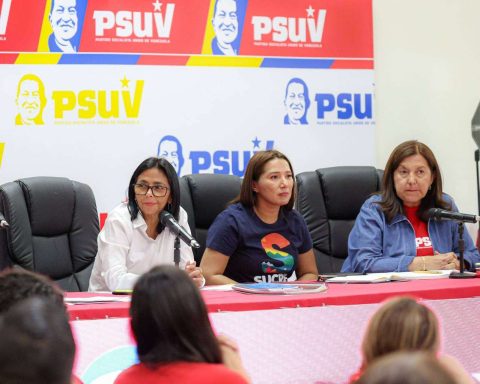
“A regime change is intended in Venezuela to impose a puppet government”he said on Wednesday at an official event.
Venezuela has the largest proven crude oil reserveswhich amount to 303,806 million barrelsand currently produces more than a million barrels of oil per dayaccording to the Ministry of Hydrocarbons.
It also has the eighth world gas reservoiralthough the Government assures that it is close to being certified as the fourth largest.
More than oil
For the internationalist lawyer Mariano de Albaalthough Trump is behind the natural resources of the South American countryit’s not just about the oil “but also rare earths”.
According to this geopolitics expert, the Republican “He is a businessman who sees most things as a business” and hopes that American companies have access to Venezuelan natural resources under very favorable conditions.
Regarding the threat of intercept sanctioned vesselsDe Alba considers a “great unknown” know if the US will act on international or Venezuelan waters.
“It gives the impression that what President Trump announced will be an informal and selective blockade”he expressed.
The American publication Axios estimates that about 18 oil tankers under sanctions from Washington are found in Venezuelan waters.
Quintero assured that the national companies “prefer to work with non-sanctioned vessels to mitigate the risk”.
He remembered that Chevron operates under a license and that other partners of PDVSAas Russians and Chinesehave “its own fleet” not sanctioned.
However, the economist Francisco Monaldi said that 40% of the ships that operate in Venezuela are sanctioned.
Internal effects
In Quintero’s opinion, any action on the sale of Venezuelan crude would have a impact on public finances and in sectors such as health, education, infrastructure and public services.
However, he does not believe that there will again be a fuel shortage problem in Venezuela.
He pointed out that the country has a “sufficient internal refining capacity to meet demand”estimated at 120,000 barrels of gasoline per day and between 40,000 and 60,000 diesel.
He said that Venezuela is going to “find the way” to overcome this new situationwith support from Russia, China and Iran.
De Alba considered that some allies could “help Maduro with some limited measures”but “Beyond that, there’s not much they can do”.
By Carlos Seijas Meneses and Bárbara Agelvis Maza