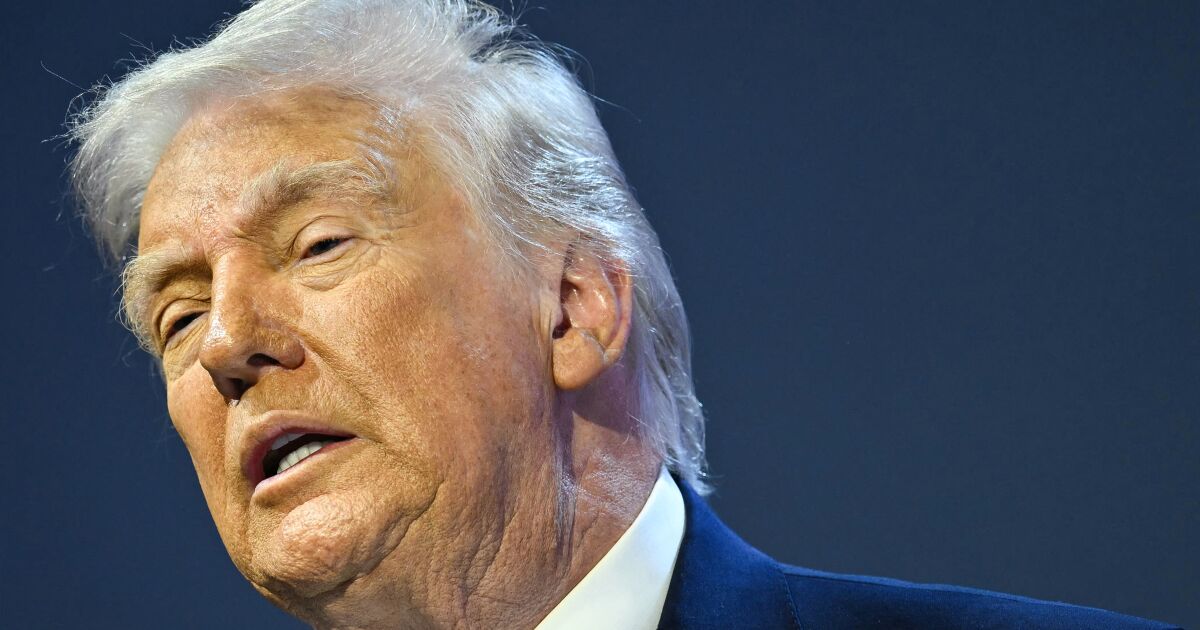
His style is close to the logic described by Thomas Schelling in The Strategy of Conflict: political effectiveness rests on the credibility of the threat. Tariffs, sanctions, unilateral classifications, release of prisoners for political loyalty, public pressure on allies and the creation of parallel mechanisms to the multilateral architecture—such as the new Peace Council presented within the framework of the World Economic Forum in Davos—are part of the same sequence. Each move reinforces the credibility of their threats and creates friction before opening any space for negotiation.
In this scheme, the conflict operates as a prior condition of the agreement. The negotiation is organized as an asymmetric relationship in which the United States occupies a dominant position. The interlocutors come to the table after verifying that the threats materialize, which increases the political weight of their word. Added to this is public exposure as an instrument of pressure: it happened with María Corina Machado, whom he minimized before receiving her at the White House after Maduro’s capture, and with President Claudia Sheinbaum, whom he accused of leading a government linked to organized crime before speaking with her and issuing a compliment. The sequence repeats itself: exhibition first and then conversation.
Trade policy is reflected in foreign policy. Security is translated into an economic argument and communication is integrated transversally as a central piece of the strategy. The messages in Truth Social replace diplomatic discretion with a public scene where each gesture fulfills a double function: external pressure and internal validation. A recent example is the publication in which he “disinvites” the Prime Minister of Canada, Mark Carney, after he rejected his incorporation into the Peace Council, accompanying the message with the statement that this new organization will be “the most prestigious Board of Leaders ever assembled, at any time.”
Joseph Nye distinguished between Soft Power and Hard Power; In Trump’s scheme, symbolic attraction loses centrality compared to the ability to impose conditions through economic and political coercion. International organizations reduce their margin of influence due to the immediate usefulness of pressure mechanisms. Multilateralism gives way to bilateral agreements built under scenarios of tension and imbalance.