These programs focus largely on the dismantling of the Fentanyl supply chain, according to budget documents of the State Department reviewed by Reuters. Their activities include the formation of Mexican authorities to find and destroy clandestine laboratories of fentanil and prevent the chemical precursors from entering in Mexico to manufacture the illicit drug.
In Mexico, the INL also donates drug detector dogs that helped Mexican authorities seize millions of fentanyl pills only in 2023, according to a March 2024 INL report.
“By pausar this assistance, the United States undermines its own ability to manage a crisis that affects millions of Americans,” said Dafna H. Rand, former director of the Office of Foreign Aid of the State Department from 2021 to 2023.
“The US foreign assistance programs in Mexico are counteracting the Fentanyl supply chain through the training of local security services and ensuring maximum cooperation between the United States and Mexico in the fight against this deadly drug,” he added.
The State Department and the Presidency and the Foreign Ministry of Mexico did not respond to requests for freezing comments.
More than 450,000 Americans have died due to overdose of synthetic opiates in the last decade, and millions are addicted. Last year, a series of Reuters entered the fentanyl supply chain and revealed how drug traffickers introduce Chinese manufacturing fentanyl ingredients that then synthesize in clandestine Mexican laboratories.
Through the projects of INL, the United States collaborates with the Mexican authorities operating in the first line of the fight against drug trafficking, including the army, prosecutors and police. After narcotics, INL in Mexico also provides support to combat migration and smuggling of people.
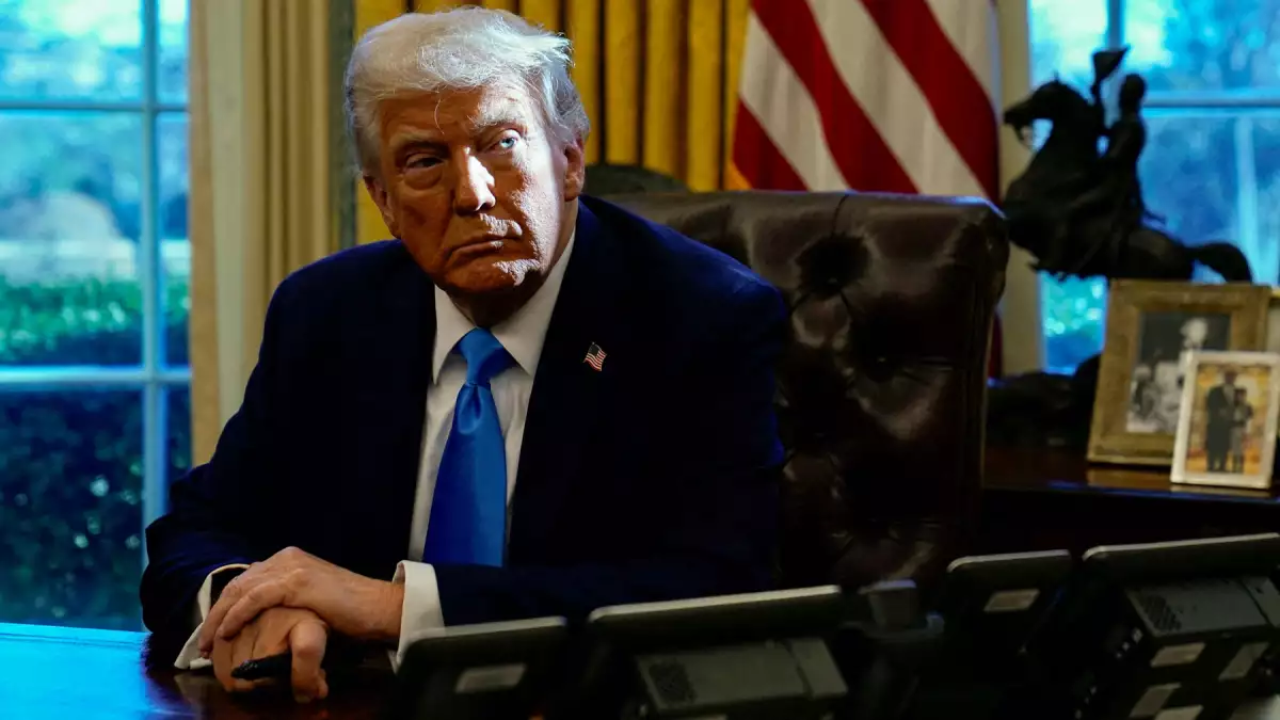
Hundreds of projects that cover billions of dollars in assistance worldwide stop, including much of INL’s work worldwide, after Trump ordered on January 20 to freeze most of the United States foreign aid , saying that he wanted to make sure the expense was aligned with his “America first” policy.
Although the US Secretary of State, Marco Rubio, issued exemptions so that what he called “humanitarian aid to save lives” will be exempt from freezing, humanitarian workers and UN staff have said that most programs are still closed and that confusion persists on what is allowed or not.
A source familiar with the situation said the Trump administration was considering an exemption to allow the financing of some foreign anti -narcotics programs, but it was not clear if the INL projects in Mexico were among them.
Two of the sources said that at the moment there have been no exemptions to the INL projects in Mexico.
During his campaign, Trump promised to combat the fentanyl arguing that the previous administration had been weak when taking drastic measures in front of the traffic of synthetic opioid and the chemical precursors necessary to manufacture it.
However, Fentanyl deaths also shot during Trump’s first mandate.
Trump has threatened to impose 25% tariffs on Mexico if the country does not stop the Fentanyl flow to the United States and controls undocumented immigration. He has also ordered the State Department to designate cartels as foreign terrorist organizations, a measure that could increase the scope and financing of US authorities to persecute organized crime groups in Mexico.
The Trump administration has not yet specified which cartels will designate as terrorist groups.
Since Trump assumed the position, both the United States and Mexico have sent additional soldiers to their shared border in an attempt to stop drug smuggling and migration.
The designation of “terrorists” and the freezing of foreign aid have raised concern among some US officials and security analysts that the Trump administration is going from bilateral cooperation with Mexico to a more unilateral approach to combat drugs and cartels .
During the campaign, Trump asked for a “military operation” in front of Mexican cartels and said that US attacks in front of organized crime groups were “absolutely” on the table.
On Thursday, the main American general who supervises the soldiers in North America said that the army had increased their air surveillance of Mexican cartels to collect intelligence information to determine the best way to counteract their activities.
(Humeyra Pamuk report in Washington, Stephen Eisenhammer in Mexico City and Laura Gottesdiener in Monterrey, Mexico; edited by Diego Oré)