The United States government faces a federal lawsuit for wrongful death after the death of two fishermen from Trinidad and Tobago, in an incident that puts the legality of Washington’s armed operations in the Caribbean region under scrutiny. The case, filed in a Boston court, represents the first formal attempt to seek civil justice for what human rights advocates call an unprecedented campaign of lethal military aggression.
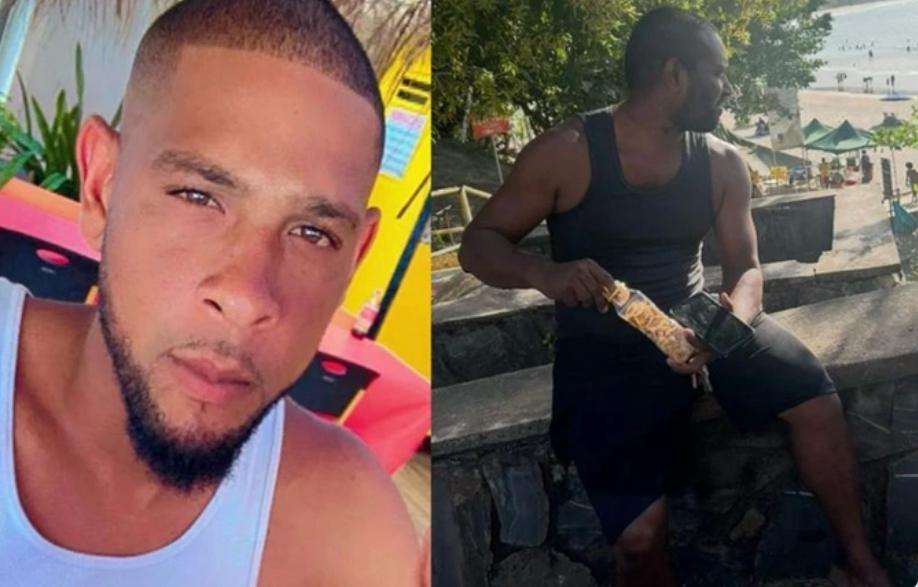
Court documents identify the victims as Chad Joseph and Rishi Samaroo, workers who worked in fishing and agriculture in Venezuela. On October 14, 2025, while sailing back to Trinidad and Tobago, their vessel was hit by a missile launched by US military forces.
The lawsuit, filed by their relatives and represented by the Center for Constitutional Rights, maintains that both men were unarmed civilians and were not involved in illegal activities. Baher Azmy, lead lawyer in the case, has been blunt in describing the events as “illegal cold-blooded murders.”
A legal vacuum in the “fight against drug trafficking”
The attack occurred in the context of a military offensive launched by the United States in September 2025. Secretary of Defense, Pete Hegseth, under instructions from President Donald Trump, has justified these actions by invoking the “law of armed conflict” against criminal groups.
However, international law experts cited in the litigation warn that drug cartels do not meet the legal requirements to be considered “organized armed groups.” Furthermore, a critical point is highlighted: the The United States Congress never expressly authorized this campaign of attacks in international waters, which could invalidate the legal basis of the operations.
Sovereignty and mortal balance
The litigation also has a geopolitical dimension, since the attack occurred in waters under the jurisdiction of the Bolivarian Republic of Venezuela which constitutes a violation of its sovereignty.
The figures presented in the lawsuit indicate that since September 2025, more than 120 people have died in US attacks against ships in the Caribbean. However, on January 24, two more deaths and one injured were reported in a similar operation.
A legal precedent
The federal court in Boston will not only decide on financial compensation. The merits of the case will force the US justice system to evaluate whether the Executive can carry out lethal extraterritorial attacks without a formal declaration of war. International human rights organizations have already described these episodes as extrajudicial executions, pointing out that the Caribbean has become a testing ground for a doctrine of lethal force without judicial control.