The President of the United States, Donald Trump, affirmed this Sunday that his administration is starting talks with the Cuban government, an announcement that coincides with a significant increase in economic pressure on the island and that has generated expectation and concern in political and social sectors linked to Cuba.
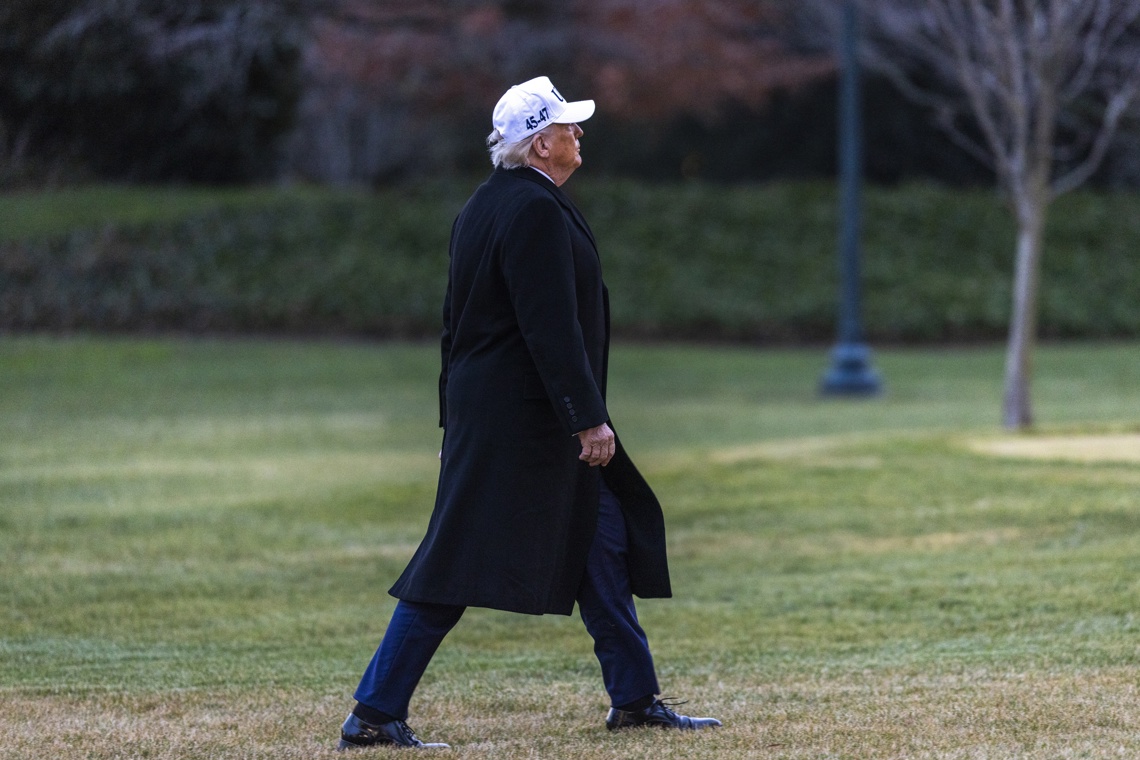
“We are starting to talk to Cuba. They need help for humanitarian reasons,” Trump told reporters during a flight to Florida, suggesting that Havana authorities could seek an agreement with Washington in the midst of a severe economic and energy crisis.
.@POTUS on Cuba: “We’re starting to talk to Cuba… A lot of people that live in our country were treated very badly by Cuba… They haven’t seen their family, their country, for many, many decades. I’ll be able to work that out.” pic.twitter.com/OhkHbkuRzu
— Rapid Response 47 (@RapidResponse47) February 1, 2026
The US president assured that many people who reside in the United States, especially of Cuban origin, “have been treated very badly by Cuba” and that there is a desire, both his and that sector of the immigrant community, for these families to be able to return to their native country and reunite with their loved ones.
When asked if his policy could lead to a humanitarian crisis on the island, Trump responded that “it doesn’t have to be a humanitarian crisis, because Cuba could approach the United States and “make a deal,” which, according to him, would allow “Cuba to be free again.”
The statements come after tougher economic measures recently announced by the White House, including an executive order imposing tariffs on countries that supply oil to Cuba. Washington has argued that this is a response to what it considers threats to national security, while Havana has described these actions as “blackmail and coercion.”
Trump declares a “national emergency” and threatens tariffs on countries that supply oil to Cuba
The pressure intensifies in a context of acute energy and economic crisis in Cuba, which faces prolonged blackouts, fuel shortages and a chronic lack of foreign currency to import oil. These measures have limited the island’s ability to maintain basic services and have been interpreted by analysts as part of a pressure strategy to push Cuba to the negotiating table.
Although Trump did not specify details about the level of said “contacts” or what type of agreement could be reached, his statement marks a rhetorical turn compared to recent months, in which the US administration has intensified its economic offensive, especially after the interruption of oil supplies from Venezuela and shipments from Mexico.
Until now, from Havana there has been no official confirmation of formal talks between both governments, and analysts point out that the lack of precision around this approach maintains a high degree of uncertainty about the future of bilateral relations.