The oil companies that could invest in Venezuela, according to Trump, are Chevron, ExxonMobil, ConocoPhillips or the Spanish Repsol
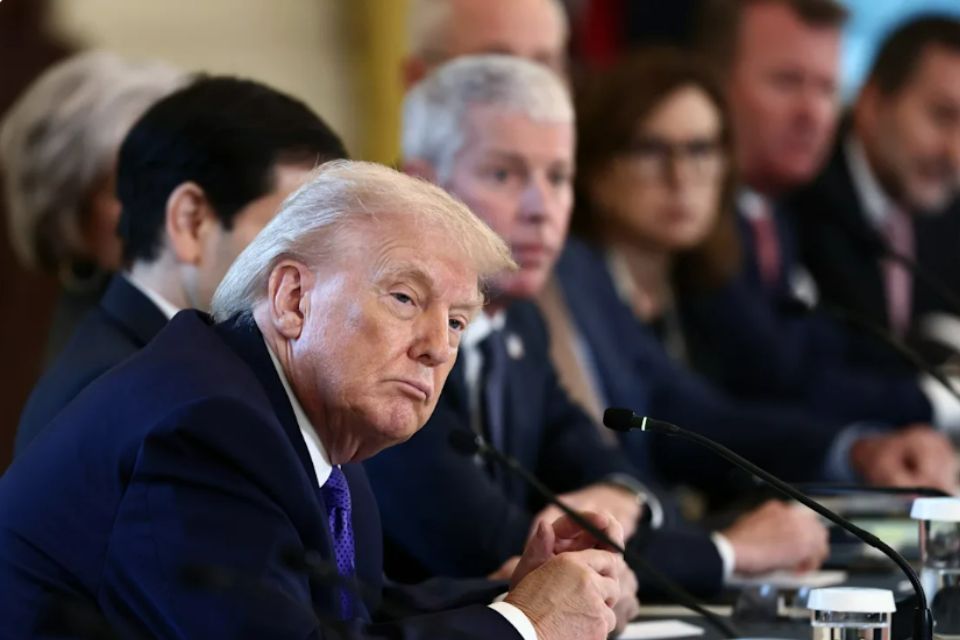
The president of the United States, Donald Trump, indicated this Friday, January 9, that American oil companies will invest some 100 billion dollars to revitalize the oil industry in Venezuela.
This was detailed by the president from the White House, after a round table with executives from the main American energy companies, including Chevron, ExxonMobil, ConocoPhillips or the Spanish Repsol.
“They are going to invest their money, not our Government’s, they don’t need it, but they do need our protection,” said the Republican, adding that Washington will provide “government security” to the companies.
*Read also: Delcy Rodríguez seeks to advance a cooperation agenda with Brazil, Colombia and Spain
Despite the meeting at the White House, the heavyweights of the US oil industry have been skeptical about the possibility of investing in the country, due to uncertainty about its political future, the memory of a past of policies of nationalization of foreign assets and the low price of a barrel, according to US media.
Trump added that his Government will control which companies will be able to enter Venezuela.
Venezuela has the largest proven crude oil reserves in the world, about 303 billion barrels, equivalent to 17% of the global total. Most of it is found in the Orinoco Belt, in the form of extra-heavy crude oil that requires advanced technology and large investments to be exploited.
Chevron is the only US oil company that still maintains operations in Venezuela and to which the Treasury Department (OFAC) has granted a license to import crude oil.
The joint ventures of Chevron and PDVSA in Venezuela contribute around 27% of national production, about 242,000 barrels per day.
With information from EFE
*Journalism in Venezuela is carried out in a hostile environment for the press with dozens of legal instruments in place to punish the word, especially the laws “against hate”, “against fascism” and “against the blockade.” This content was written taking into consideration the threats and limits that, consequently, have been imposed on the dissemination of information from within the country.
Post Views: 150