In the case of Procter & Gamble PG.N and others, it is both.
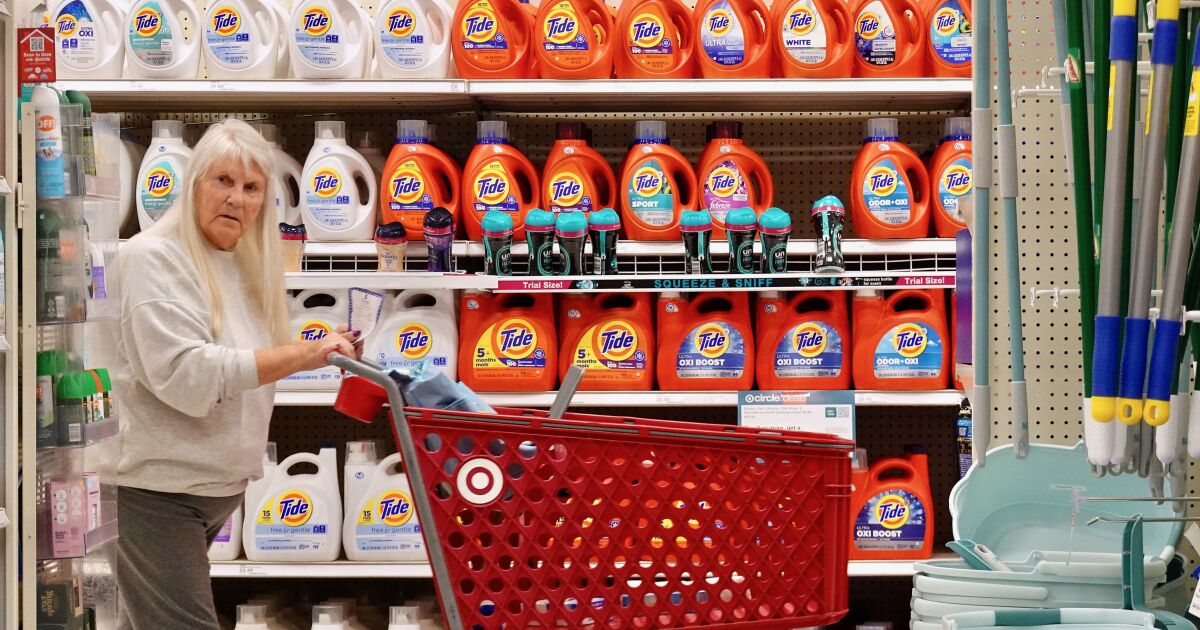
On Tuesday, the giant of the packaging, which manufactures basic home products that cover from the Bounty paper towel to the Tide detergent, issued a little flattering perspectives by 2025 and sent a message to large retailers like Walmart Wmt.N in the sense that the prices of some products would have to upload from next week.
This challenge that companies face in the next quarters will probably be transmitted to foot consumers. P&G said that prices will rise about a quarter of its products in the United States to help compensate for the cost of new tariffs.
The increases are around a digit in all categories, according to a company spokesman.
Meanwhile, US stock market rates have shot historical maximums this year, built on massive investment in technological actions, many consumption indicators have suffered.
Since Trump tariff ads on April 2, “Liberation Day”, P&G shares have fallen by 19%; Nestlé Nesn.S has lost 20%; Kimberly-Clark Kmb.O 11%, and Pepsico Pep.O almost 7%, but the referential index S&P 500 .SPX has gained more than 13%.
Consumer goods, food and drinks have had to face mediocre sales from the pandemic, since buyers have shown reluctant to packaged foods, increasingly expensive. Nestlé said last week that American consumers are suspicious of paying more in the cash register.
More price increases will deepen investors’ concerns about how the big brands are navigating the combined challenge of saving consumers and the strong costs created by Trump’s commercial war.
“Companies such as Walmart, Amazon and Best Buy will be forced to transfer consumers prices,” said Bill George, former president and CEO of Medtronic and researcher at Harvard Business School. “People have not yet seen the consequences of the increase in tariffs, and they will rise more.”
Between July 16 and 25, the firms included in the World Reuters tariff tracker said they hope to lose between 7,100 and 8.3 billion dollars in the year.